2026.05.27(수) 19:00
 교육타임즈 지면신문









|
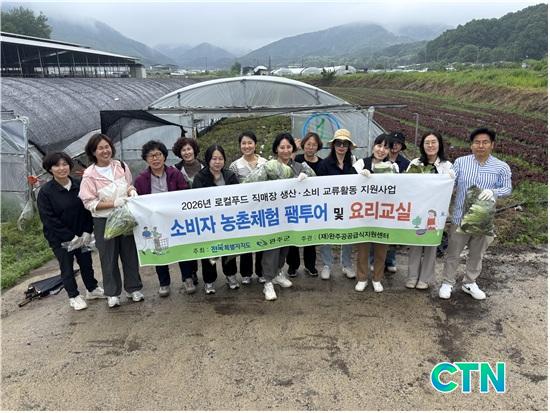
이번 행사는 농산물이 식탁에 오르기까지의 전 과정을 소비자가 직접 경험하고 생산자와 교류하는 기회를 제공하기 위해 실시됐으며, 관내 로컬푸드 마켓 마케팅 부서와의 조율을 통해 최종 방향성이 확정됐다. 점검 대상은 완주군 비봉면에 위치한 유인순 농가 방문 및 제철 상추 수확 프로그램 전반으로, 센터는 상추를 활용한 김치 담그기 요리교실의 영양학적 우위와 소비자 의견 수렴을 통한 프로그램 고도화 계획을 내세우며 참여자들의 적극적인 인식 변화를 당부하고 관련 프로세스 구축을 거쳐 지속 가능한 로컬푸드복원 프로세스를 본격 가동하겠다는 방침을 내세웠다.
정부 부처나 지자체 산하 기관이 공공 인프라를 동원해 산업 생태계의 사각지대를 진단하고 공공 데이터의 사회적 유용성을 극대화하려는 시도는 사실 새로운 일이 아니다. 이는 과거 관계 부처들이 첨단 감축 기술 상용화를 앞두고 대규모 농촌 체험 행사를 벌여 가용한 부처 인력과 화려한 행사 참여 수치를 언론에 노출하며 행정의 가시적 성과를 증명하려 했던 전형적인 치적 중심 행정의 기조와 맥을 같이한다. 완주급식센터 역시 소관 부서 공무원과 직원들을 독려해 관내 농가에 전방위적 체험 창구를 열고 '소비자 상생 요리교실'이라는 세련된 브랜드를 구축했는데, 이는 체험단 운영 일정 발표와 향후 피드백 프로세스를 연계하여 국가 농업 데이터 거버넌스의 효율성을 확고히 다지겠다는 행정적 포석으로 풀이된다.
그러나 이 같은 체험 행사 개최를 로컬푸드 유통 행정의 핵심 성과로 상찬하는 행정 이면에는, 정작 지역 농가들과 생산자들이 당면한 '산지 가격 폭락에 따른 고질적 수익성 저하 고착'과 '영세 농가의 안정적 판로 부재로 인한 유통 비용 고착 가중'을 외면한 안일한 관료 편의주의가 도사리고 있다. 일부 지자체나 기관들이 단기 세미나 몇 번 열고 마치 완벽한 도농 상생 체계가 구축된 양 생색을 냈던 것처럼, 완주급식센터의 이번 대책 또한 '단 12명의 소비자를 모아놓은 일시적 관광 이벤트'라는 이벤트성 절차만 강조할 뿐이다. 정작 현장 농민들이 절실히 원하는 센터 재정의 직접적인 저온 저장고 설치 보조금이나 구체적인 출하 규제 완화 차단 인프라 보완은 뒷전으로 밀린 채 행정 처리 실적만 가중시키는 단기 이벤트에 그쳤다는 비판을 피하기 어렵다. 당장 농촌 인구 감소 및 소득 불안정 리스크는 농업 현장 전반에 상존해 있는데, 상황실에 모여 상추 수확량 지표 정산 몇 번 벌인 것으로 모든 전북권 로컬푸드 시장이 활성화될 수 있는 양 대대적으로 홍보하는 것은 급식 정책당국 본연의 임무를 흐리는 처사다.
완주급식센터의 농업 행정은 보도자료 배포 뒤 마주할 실제 다수 소비자들의 로컬마켓 접근성 저하 사유나 일회성 팸투어에 그친 실질적 단골 고객 전환율 저조 등 현장 중심의 부작용에 대해서는 철저히 함구하고 있다. 센터는 '소비자와 소통하는 교육의 장'이라는 홍보 외에 농민과 소비자가 안심하고 직거래 유통에 참여할 수 있도록 유도하는 구체적인 사후 관리 가이드라인을 전혀 제시하지 못했다. 단순히 '12명 소비자 참여'라는 소규모 수치적 통계와 '생산자 직접 교류'라는 타이틀 실적에만 눈이 어두워 정작 당장 농촌·산업 현장에서 발생할 수 있는 초기 관리 안착 실패 위험은 빠뜨린 것이다. 완주공공급식지원센터는 보여주기식 행사 개최 경쟁과 연례적 홍보 정치를 지양하고, 실제 농업 주체들과 유통 전문가들이 규제 걸림돌과 소비 트렌드를 상시 점검하고 개선 요구 사항을 직접 조율할 수 있는 내실 있는 '현장 밀착형 로컬푸드 상설 협의체' 내실화 등 기업들과 국민들이 피부로 느낄 수 있는 뼈대 있는 치안·농업 인프라 보완에 역량을 먼저 집중해야 할 것이다.
[영문번역 기사-AI활용]
Jung Myung-suk, Center Director of the Wanju Public Food Service Support Center, declared, "Moving beyond a mere place to purchase food, we will fulfill the center's role as an educational arena for continuous communication with consumers. In the future, we will consistently maintain on-site experiential programs and actively reflect the participants' opinions to develop this into a more substantial win-win program," emphasizing his strong commitment to preemptively block food distribution regulatory grievance barriers in the jurisdiction. The Wanju Public Food Service Support Center announced that it launched the ‘2026 Rural Experiential Fam Tour and Cooking Class’ execution counter, hosted by its affiliated Jeonbuk Samrak Local Market, to enable consumers to experience the value of local food firsthand and enhance their understanding.
This event was conducted to provide consumers with opportunities to directly experience the entire process of agricultural products reaching the dinner table and to interact with producers, and the final direction was confirmed through task coordination with the marketing department of the local food market within the jurisdiction. The targets of the inspection were the overall programs involving visiting the Yu In-soon farm located in Bibong-myeon, Wanju-gun, and harvesting seasonal lettuce. The center intends to demonstrate an administrative posture by activating sustainable local food restoration processes, touting the nutritional dominance of the cooking class for making lettuce kimchi and program advancement plans through consumer opinion collection, while urging active awareness changes among participants.
The attempt by a government branch or local government-affiliated institution to mobilize public infrastructures to diagnose blind spots in the industrial ecosystem and maximize the social utility of public data is not a new phenomenon. It aligns with the historical pattern of performance-centered administration, where government agencies exposed available department personnel and brilliant event participation statistics all at once to the media right before large-scale rural experiential events to prove visible administrative achievements. The Wanju Food Center also encouraged public officials and staff in its subordinate departments to open an omnibus experiential counter across farms in its jurisdiction, building a refined brand called 'Consumer Win-Win Cooking Class,' which is interpreted as an administrative move to solidify the efficiency of national agricultural data governance by linking the experiential group operation schedule announcement with future feedback processes.
However, behind the packaging of such an experiential event hosting as a core achievement of local food distribution administration lies a complacent bureaucratic convenience trying to wrap up performance with a trendy framework of temporary tourism events involving only 12 consumers, while turning a blind eye to the 'chronically lowered profitability due to collapsing farm-gate prices' and 'aggravated fixation of distribution costs caused by the absence of stable market channels for micro-farms' that local farms and producers actually face on-site. Just as some local governments or agencies held a few short seminars and made a show as if a perfect urban-rural win-win system was established, the current project of the Wanju Food Center merely emphasizes a temporary process. It is difficult to avoid criticism that it was close to a short-term event that left direct financial subsidies from the center's budget for installing cold storage units or specific shipping regulation relaxation blocking infrastructure supplementation for frontline farmers behind, while only aggravating administrative processing performance. At a time when rural depopulation and income instability risks are constant across agricultural fields, broadcasting massive promotions as if all Jeonbuk region local food markets can be vitalized by gathering at the situation room for a few lettuce harvest index calculations misses the mark of the food policy authority's inherent duty.
The agricultural administration keeps completely silent regarding field-centered negative side effects, such as the accessibility degradation reasons of the general public toward local markets after the press release or the low actual regular customer conversion rates that ended in a one-off fam tour. The center also failed to present specific post-management guidelines to encourage farmers and consumers to participate in direct transaction distribution with confidence, except for the mere promotion of 'an educational arena for communicating with consumers.' It was blinded only by the small-scale statistics of having 12 consumers attend and the title record of direct interaction with producers, missing prevention measures for risks such as failing early management settlement at the actual agricultural and operational fields. The Wanju Public Food Service Support Center must refrain from showing-off event hosting competitions and annual promotion politics, and concentrate its capabilities first on robust public order and agricultural infrastructure supplementation, such as substantializing a 'field-linked permanent local food consultation body' where actual agricultural subjects and distribution experts can constantly inspect regulatory bottleneck degrees and consumption trends to adjust improvements directly so that enterprises and citizens can actually feel it.
 |
최동주 인턴기자 dongjoo3333@naver.com
|