2026.06.09(화) 19:26
 교육타임즈 지면신문









|
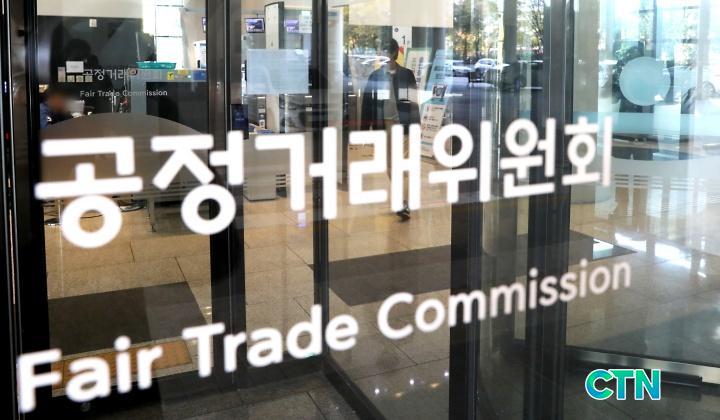
이번 간담회 행정의 가장 큰 맹점은 당국이 자랑하는 '가격표 게시 권고 및 자율 개선 조치'가 실제 무료 촬영을 미끼로 계약을 유도한 뒤 원본 파일을 볼모로 수백만 원의 추가금을 요구하는 고질적인 시장의 사기성 상술 리스크를 원천 차단하기에는 턱없이 부족한 '외형 덧칠용 면피 행정'에 머물러 있다는 점이다. 강제력 없는 가이드라인을 배포하고 사업자의 양심에 맡기는 아날로그식 자율 규제 방식이 과연 악질적 유인 상술에 노출된 소비자들의 실질적 피해 구제를 담보하는 실효성 있는 대책인지 의문이다. 진정으로 소비자 안전망을 구축하고자 했다면, 서류 중심의 단체장 행차에 행정력을 소진할 것이 아니라 현장의 지적대로 부당 광고 행위를 실시간으로 모니터링하고 즉각 제재하는 지자체·소비자원 연동형 불공정 행위 신고·조사 시스템을 상설화하고, 상습 위반 업체에 대한 영업정지 등 처벌 기준을 대폭 강화하는 물적 인프라 다지기가 선행되어야 했다. 이러한 근본적인 체질 개선은 생략한 채, 간담회 개최 횟수와 권고안 자구 수정 등 정량적 수치로 보고서의 부피만 늘리려는 행태는 실적 조급증에 걸린 중앙 부처의 전형적인 탁상행정 껍데기일 뿐이다.
아울러 업계의 건의를 수용해 충분한 홍보와 교육 기회를 제공하겠다고 공언한 대목 역시 매년 국정감사나 부처 평가 주기에 맞춰 반복되는 관료제 특유의 사후약방문식 관성 행정이다. 영세 소상공인 보호라는 명분을 앞세워 정작 불법적 기만 광고를 일삼는 시장 교란 행위자들에 대한 엄정한 처벌이나 단속 가이드라인 현실화라는 본질은 외면한 채, 잘 정돈된 회의실 악수 사진을 기화로 보도자료의 치적 숫자만 늘리려는 행태는 예산 집행의 효율성 면에서 비판을 자초할 뿐이다.
공정한 시장 경제 확립과 민생 경제 안정이 국가 성장의 생존 화두가 된 시대에 당국의 소비자 보호 정책은 단순한 사업자단체 소집 퍼포먼스나 생색내기용 자율 개선 권고 위주의 보도자료 정치를 넘어서야 마땅하다. 매번 반복되는 전시성 간담회 운영비와 일회성 홍보에 공공 재원을 소진하는 구조로는 교묘한 미끼 광고에 속아 정신적·물질적 피해를 입은 일반 시민들의 깊은 소외감과 행정 불신을 원천적으로 해소할 수 없다. 공정위와 소비자원은 행사 개최 건수를 치적으로 홍보하는 보여주기식 행정을 즉각 중단해야 한다. 일상 속에서 언제 닥칠지 모르는 기만 상술을 맨몸으로 견뎌내야 하는 취약 소비자들이 실질적인 권익 보호 효능감을 누릴 수 있도록 AI 기반의 불법 허위 광고 자동 적발 고도화 시스템을 상설화하고, 피해 구제 전담 인력과 인프라 보조금을 현실화하는 등 본연의 공공 안전망 다지기에 행정 역량을 결집해야 체감 행정의 진정성을 인정받을 수 있을 것이다.
[영문번역 기사-AI활용]
The Fair Trade Commission and the Korea Consumer Agency stated, "Consumer damage cases are continuously occurring recently through SNS and text messages, where businesses lure consumers with bait like 'free photo shoots' and then force them to pay high additional costs under the pretext of providing original photo files, making albums/frames, or outfits. To prevent consumer damage and for the photo industry to grow together, a fair trading practice of transparently disclosing and guiding price information must be established." This is a passage highlighting the authorities' willpower and administrative achievements, summoning related business associations to hold a meeting to reduce the rapidly increasing consumer damage related to photo shoots, and emphasizing the organization's preemptive public welfare stabilization efforts. The blueprints filling the press release, such as listing diverse quantitative figures including 1,670 consumer damage remedy applications over the past 4 years and 4 months and grand policy rhetoric like the 'National Normalization Project,' create an illusion as if the authorities are leading tremendous innovation in advanced safety nets and resolving information asymmetry. However, despite the fact that the substance of the administration stops at a short-term field communication event consisting of a hastily arranged meeting and a request for voluntary cooperation timed with the ministry communication schedule, the practice of trying to package a regular department industry meeting project into a special market normalization innovation achievement by hiding behind the grand rhetoric of 'promoting price information disclosure and establishing trading practices' is a specimen of typical performance-inflating exhibition administration.
The biggest blind spot of this antitrust administration is that the 'voluntary improvement recommendations and price list posting guidelines' boasted by the Commission stay as an 'outward-painting administration for show' that is woefully insufficient to fundamentally block the fraudulent bait marketing risks in the real field where businesses lure consumers under the guise of free services and then take original files hostage to demand additional money. It raises questions about whether an analog voluntary regulation method—simply distributing non-binding guidelines and leaving it to the conscience of business owners—is a practical countermeasure to guarantee the practical damage remedy efficacy of consumers exposed to vicious deceptive tactics. If it truly desires to construct a safety net for consumers, instead of wasting administrative power on paperwork-centered inspection tours of leaders, permanentizing real-time unfair practice reporting and investigation systems linking local governments and the Consumer Agency to monitor deceptive advertising, and strengthening punishment standards such as business suspension for chronic violators must precede. Omitting such fundamental constitutional improvements, and only trying to inflate reports with quantitative figures such as the number of meetings and guideline word corrections is nothing more than a performance-oriented shell commonly used by central ministries caught in performance anxiety.
In addition, grandly publicizing that it will accept the industry's suggestions to provide sufficient publicity and educational opportunities is also an after-the-disaster inertia administration peculiar to bureaucracy repeated every time in accordance with the annual parliamentary audit or ministry evaluation cycle. Leaving the essence of strict punishments against market distorters or realizing investigation guidelines unaddressed under the pretext of protecting micro-business owners, desk administration that only attempts to inflate report numbers triggered by well-arranged meeting room handshake photos only invites criticism in terms of public fund execution efficiency.
In an era where establishing a fair market economy and stabilizing public welfare have become survival topics for national growth, the consumer protection policies of authorities must move beyond press release politics centered on simple business group summoning performances or superficial voluntary improvement recommendations for show. Expending public funds every year on repeated exhibition-like meeting operation costs and one-off publicity cannot fundamentally relieve the deep alienation and administrative distrust of ordinary citizens who fell for deceptive bait advertisements. The Fair Trade Commission and the Korea Consumer Agency must immediately stop exhibition administration promoting meeting hosting counts as achievements. Permanentizing AI-based illegal and false advertisement automatic detection advancement systems so that vulnerable consumers who must endure deceptive tactics with their bare bodies in daily life can enjoy practical rights protection efficacy, and realizing dedicated damage remedy staff and infrastructure subsidies, it should concentrate administrative capabilities on solidifying the inherent public safety net to receive recognition for the sincerity of policy.
 |
가요진 기자 gyj1119@naver.com
|