2026.06.09(화) 19:26
 교육타임즈 지면신문









|
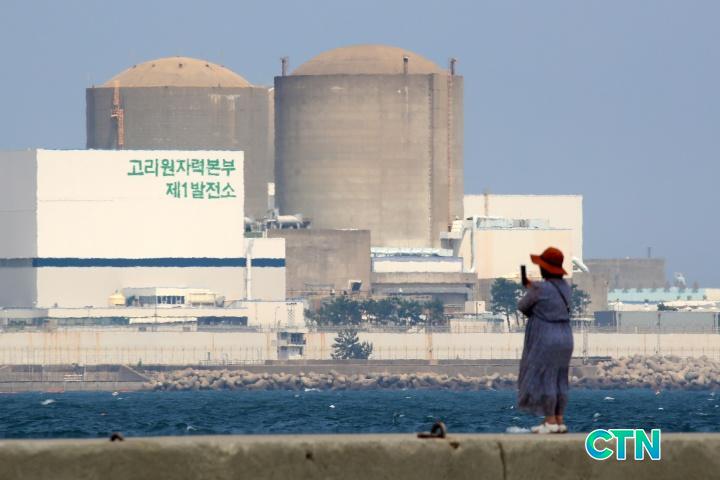
이번에 선정된 4개 센터는 오는 9월까지 지역별 현장방사능방재지휘센터 내에 설치된다. 각 센터는 주민 자료열람실, 온라인 정보검색 부스, 원자력안전정보 서고, 소통 공간 등으로 구성될 예정이다. 향후 센터는 지역 주민에게 원자력안전정보를 상시 제공하는 것은 물론 원자력안전정보와 관련된 설명회, 공청회, 워크숍 등을 운영하고 지원하는 역할을 맡는다. 아울러 지역 맞춤형 콘텐츠와 프로그램을 개발·운영하고, 기존 원자력안전협의회의 운영을 지원하는 등 지역 사회와의 밀착 소통 유관 기관으로서 기능을 수행하게 된다.
정부가 관련 법률에 의거해 원전 주변 지역 주민들의 알 권리를 보장하고, 전문 인력과 시설을 갖춘 거점 공간을 현장방사능방재지휘센터 내에 구축하기로 한 것은 정보의 투명성을 높이고 불필요한 사회적 불안감을 해소한다는 측면에서 긍정적인 제도적 기반으로 평가된다. 단순 온라인 공개를 넘어 오프라인 서고와 소통 공간을 결합한 복합 거점을 마련한 점도 고무적이다.
다만 이러한 정보공유센터가 단순히 정부 공식 문서나 홍보성 데이터를 진열하는 일방향성 자료실에 그칠 경우, 원전 안전성에 대해 보다 객관적이고 비판적인 정보를 원하는 주민들의 실질적인 요구를 충족하기 어렵다는 지적도 나온다. 전문 용어가 난무하는 원자력 기술 정보를 일반 주민의 눈높이에 맞춰 번역하고 검증해 줄 수 있는 상주 전문가나 시민사회 추천 자문 인력이 확보되지 않는다면, 세금만 낭비하는 전시성 공간으로 전락할 수 있기 때문이다. 주민들이 원전 관련 이상 징후나 실시간 방사능 수치를 직관적으로 모니터링할 수 있는 상설 AI 키오스크를 도입하고, 단순 자료 열람을 넘어 지역 환경 단체 및 주민 대표가 주도하는 독립적 안전 감시 워크숍 프로그램을 정례화하는 등 쌍방향 소통 인프라 구축이 향후 해결해야 할 과제로 꼽힌다.
[영문번역 기사-AI활용]
Choi Won-ho, chairperson of the Nuclear Safety and Security Commission, stated, "Through this selection of the Nuclear Safety Information Sharing Center, we will create an open space that any local resident can use conveniently. We will do our best to actively provide the information that local residents need." The Nuclear Safety and Security Commission announced that as a result of the public contest for the 'Nuclear Safety Information Sharing Center' to efficiently disclose nuclear safety information to areas around nuclear power plants in accordance with the 'Act on Public Disclosure and Communication of Nuclear Safety Information,' it has preferentially selected four locations—Gori, Saeul, Yeonggwang, and Wolseong—out of seven target locations around nuclear facilities. The Commission made this decision by focusing on the substantiality of the center operation plan, the professionalism of the center director, and the communication capability with the region, and centers in the remaining three regions are scheduled to be additionally opened through a public contest next year.
The four selected centers will be installed within regional on-site radioactive emergency directive centers by this September. Each center will consist of a resident data reading room, an online information search booth, a nuclear safety information library, and a communication space. In the future, the centers will serve to constantly provide nuclear safety information to local residents, as well as operate and support briefings, public hearings, and workshops related to nuclear safety information. Furthermore, they will develop and operate customized local contents and programs and support the operation of existing Nuclear Safety Consultation Councils, performing functions as close communication organizations with the local community.
The government's decision to guarantee the right to know of residents around nuclear power plants in accordance with relevant laws and establish base spaces equipped with professional manpower and facilities within the on-site radioactive emergency directive centers is evaluated as a positive institutional foundation in terms of increasing information transparency and resolving unnecessary social anxiety. Establishing a complex base that combines an offline library and communication space beyond simple online disclosure is also encouraging.
However, critics point out that if these information sharing centers merely stop at being one-way data rooms displaying official government documents or promotional data, it will be difficult to satisfy the practical demands of residents who want more objective and critical information regarding nuclear safety. This is because unless permanent experts or advisory personnel recommended by civil society who can translate and verify technical nuclear information cluttered with professional terminology for average residents are secured, it could degenerate into a showpiece space wasting taxes. Introducing permanent AI kiosks that allow residents to intuitively monitor nuclear-related anomalies or real-time radiation levels, and regularizing independent safety monitoring workshop programs led by local environmental groups and resident representatives beyond simple data reading are cited as future tasks to be resolved.
 |
가요진 기자 gyj1119@naver.com
|