2026.06.09(화) 19:26
 교육타임즈 지면신문









|
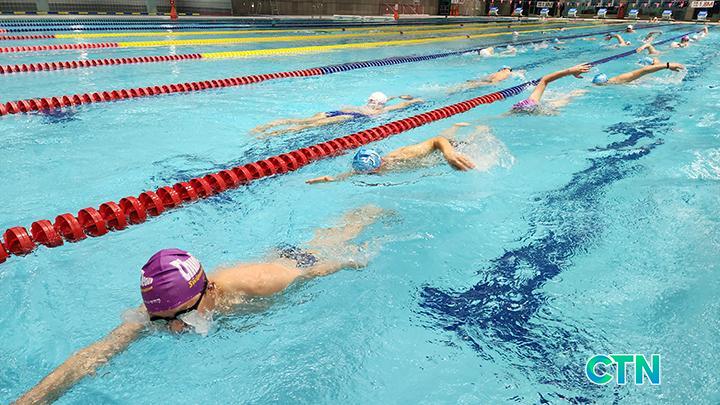
진정인은 임신 7주 차였던 지난해 8월경, 3년 동안 이용하던 OO대학교 OOOO원 스포츠센터 수영장을 계속 이용하려 했으나 가방에 부착된 임산부 배지를 본 직원과 행정실로부터 내부 규정상 수강이 불가능하다는 안내를 받고 등록을 취소당하자 인권위에 진정을 제기했다. 이에 대해 피진정기관은 제한된 공간에서 다수가 참여하는 수영 강습 특성상 가벼운 충돌이나 미끄러짐 등 안전사고 위험이 있고, 임산부 회원과 태아의 건강 및 다른 회원의 안전 등을 고려한 조치였다고 답변했다. 그러나 인권위 차별시정위원회는 임신이 자연적·생리적 상태이며 개인별로 건강 상태와 운동 가능 여부에 차이가 있음에도, 구체적 검토 없이 임산부를 위험군으로 간주해 전면 제한한 것은 과도하다고 보았다. 또한 질병관리청 지침이나 타 지역 공공 수영장 실태를 보더라도 임산부의 수영을 일률적으로 제한하는 규정은 없다고 덧붙였다.
지자체나 공공·대학 체육시설이 이용자의 안전을 명목으로 특정 계층의 접근을 원천 차단하던 관행에 경종을 울리고, 임신을 병리적 질환이 아닌 개별적 건강 상태로 바라보아야 한다는 인권적 기준을 제시한 점은 인권 침해 사각지대를 해소했다는 측면에서 긍정적인 결정으로 평가된다.
다만 이러한 인권위의 권고 조치가 실효성 있는 현장의 변화로 이어지기 위해서는, 일선 체육시설들이 책임 회피성 규정 뒤에 숨지 않도록 실무적인 가이드라인과 제도적 안전장치가 촘촘히 마련되어야 한다는 지적도 나온다. 시설 운영자 입장에서는 혹시 모를 안전사고 발생 시 법적 책임 공방에 대한 부담이 크기 때문에, 단순히 일률적 제한을 풀라는 권고만으로는 또 다른 형태의 거부나 소극적 행정으로 이어질 가능성이 있기 때문이다. 전문의 소견서 첨부 의무화, 이용자 동의 절차 마련, 임산부 전용 시간대나 강도 조절 프로그램 도입 등 구체적인 대안 표준 매뉴얼을 개발하고, 체육시설의 안전사고 배상책임보험 제도를 현실화하는 등 현장 맞춤형 관리 체계의 정립이 시급한 과제로 떠오르고 있다.
[영문번역 기사-AI활용]
Ahn Chang-ho, chairperson of the National Human Rights Commission of Korea, stated, "It is undesirable to restrict the use of facilities by generalizing pregnancy itself as a risk factor under the pretext of protecting pregnant women. It is necessary to establish reasonable criteria and procedures that consider individual circumstances so that unreasonable discrimination due to pregnancy does not occur in the course of operating sports facilities." The National Human Rights Commission of Korea announced that it judged the uniform restriction on the use of swimming pools based on the sole reason of being pregnant to be a discriminatory act without reasonable grounds, and recommended the president of OO University's OO Institute to establish measures to prevent recurrence.
Around August of last year, when the petitioner was seven weeks pregnant, she attempted to register for the swimming pool affiliated with OO University's OO Institute Sports Center, which she had been attending for about three years. However, upon noticing the pregnant woman badge attached to her bag, the staff and administration informed her that pregnant women could not take swimming lessons under internal regulations, subsequently canceling her registration, leading her to file a petition with the Commission. In response, the respondent institution explained that swimming lessons take place in a limited space with multiple participants, posing risks of safety accidents such as light collisions or slips, and that the cancellation was made considering the health of the pregnant member and fetus, as well as the safety of other members. However, the Discrimination Redress Committee of the Commission viewed that pregnancy is a natural and physiological state and individual health conditions vary, making it excessive to completely restrict swimming pool access by uniformly categorizing pregnant women as a high-risk group without specific reviews. It added that neither the Korea Disease Control and Prevention Agency guidelines nor the status of public swimming pools in other regions contain regulations restricting registration due to pregnancy.
The decision is evaluated as a progressive step in terms of resolving blind spots of human rights violations, as it warns against the practice of public and university sports facilities completely blocking access for certain groups under the pretext of user safety, and presents a human rights standard that pregnancy should be viewed as an individual health status rather than a pathological illness.
However, critics point out that for these recommendations by the Commission to lead to practical changes on the ground, practical guidelines and institutional safety nets must be meticulously prepared so that frontline sports facilities do not hide behind regulations meant to evade responsibility. Since facility operators bear heavy burdens regarding legal liability disputes in the event of potential safety accidents, a mere recommendation to lift uniform restrictions could lead to other forms of refusal or passive administration. Formulating a specific alternative standard manual—such as requiring a medical specialist's opinion, preparing user consent procedures, and introducing pregnancy-exclusive time slots or intensity-controlled programs—while updating the public liability insurance system for sports facilities is emerging as an urgent task to be resolved.
 |
가요진 기자 gyj1119@naver.com
|