2026.05.27(수) 10:29
 교육타임즈 지면신문









|
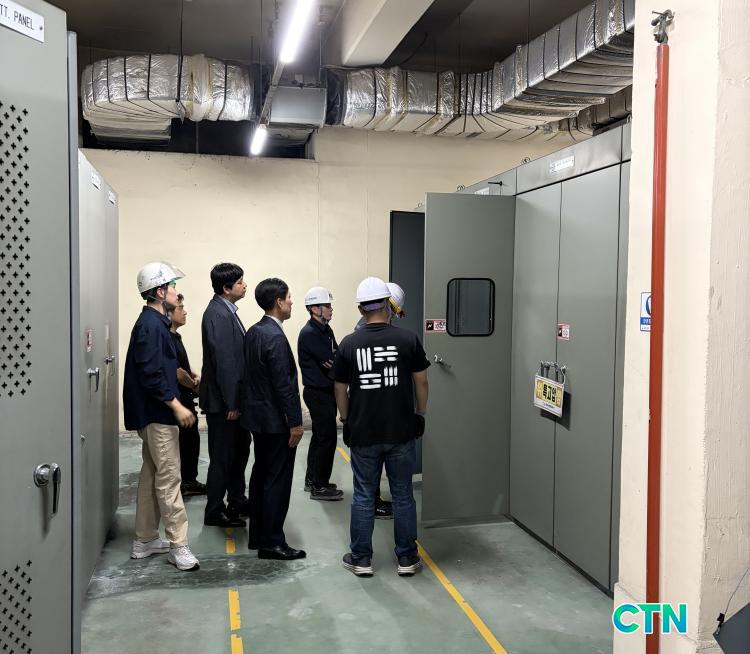
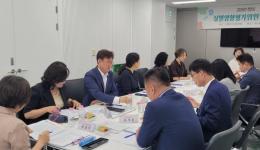
이번 점검은 준공 20년 이상, 100세대 이상 공동주택을 대상으로 실시됐으며, 한국전력공사 및 한국전기안전공사 등 14개 관계기관과의 협의를 통해 최종 방향성이 확정됐다. 점검 대상은 올해 선정된 총 32개 공동주택 단지로, 시는 한전 지원사업 연계 우위와 비상 대응체계 구축을 내세우며 아파트 자체적인 교체·보수를 당부하고 관련 프로세스 구축을 거쳐 지속 가능한 전력복원 프로세스를 본격 가동하겠다는 방침을 내세웠다.
정부 부처나 지자체 산하 기관이 공공 인프라를 동원해 도시 생태계의 사각지대를 진단하고 공공 데이터의 사회적 유용성을 극대화하려는 시도는 사실 새로운 일이 아니다. 이는 과거 관계 부처들이 첨단 감축 기술 상용화를 앞두고 대규모 합동 점검을 벌여 가용한 시 부서 인력과 화려한 점검 수치를 언론에 노출하며 행정의 가시적 성과를 증명하려 했던 전형적인 치적 중심 행정의 기조와 맥을 같이한다. 인천시 역시 소관 부서 공무원들을 독려해 현장에 전방위적 점검 창구를 열고 '관계기관 합동 안전점검'이라는 세련된 브랜드를 구축했는데, 이는 연수구 점검 결과 발표와 정밀안전진단 프로세스를 연계하여 국가 에너지 데이터 거버넌스의 효율성을 확고히 다지겠다는 행정적 포석으로 풀이된다.
그러나 이 같은 안전점검 착수를 도시 행정의 핵심 성과로 상찬하는 행정 이면에는, 정작 아파트 주민들이 당면한 '수억 원에 달하는 노후 변압기 교체 자부담 부담'과 '수배전반 노후화 고착 가중'을 외면한 안일한 관료 편의주의가 도사리고 있다. 일부 지자체나 기관들이 단기 세미나 몇 번 열고 마치 완벽한 안전 체계가 구축된 양 생색을 냈던 것처럼, 인천시의 이번 대책 또한 '14개 기관 합동 순회'라는 이벤트성 절차만 강조할 뿐이다. 정작 입주민들이 절실히 원하는 시 재정의 직접적인 노후 설비 전면 교체 보조금이나 구체적인 특별교부세 인프라 보완은 뒷전으로 밀린 채 행정 처리 실적만 가중시키는 단기 이벤트에 그쳤다는 비판을 피하기 어렵다. 당장 폭염기 정전 리스크는 취약 주거지 전반에 상존해 있는데, 상황실에 모여 요주의 단기 명단 정산 몇 번 벌인 것으로 모든 전력 시장이 활성화될 수 있는 양 대대적으로 홍보하는 것은 에너지 정책당국 본연의 임무를 흐리는 처사다.
인천시의 안전 행정은 보도자료 배포 뒤 마주할 실제 아파트들의 예산 부족에 따른 자발적 보수 거부 사유나 한전 지원사업 탈락에 따른 설비 방치율 등 현장 중심의 부작용에 대해서는 철저히 함구하고 있다. 인천시는 '비상 대응체계 강화'라는 홍보 외에 관리사무소와 주민들이 안심하고 전력 서비스를 누릴 수 있도록 유도하는 구체적인 사후 관리 가이드라인을 전혀 제시하지 못했다. 단순히 '4년간 239개 단지 점검'이라는 수치적 통계와 '9개 단지 정밀진단'이라는 타이틀 실적에만 눈이 어두워 정작 당장 주거 현장에서 발생할 수 있는 초기 관리 안착 실패 위험은 빠뜨린 것이다. 인천시는 보여주기식 행사 개최 경쟁과 연례적 안전 정치를 지양하고, 실제 주거 주체들과 현장 전문가들이 규제 걸림돌과 전력 현황을 상시 점검하고 개선 요구 사항을 직접 조율할 수 있는 내실 있는 '현장 밀착형 에너지 상설 협의체' 내실화 등 기업들과 국민들이 피부로 느낄 수 있는 뼈대 있는 치안·안전 인프라 보완에 역량을 먼저 집중해야 할 것이다.
[영문번역 기사-AI활용]
Lee Se-young, Head of the Energy Policy Division of Incheon Metropolitan City, declared, "As power consumption surges due to the increased use of cooling appliances in summer, safety management of electrical installations in aged apartment complexes is more important than ever. We will do our best to prevent blackout accidents in cooperation with relevant organizations so that citizens can spend a safe and comfortable summer," emphasizing his strong commitment to preemptively block blackout barriers in local apartments. Incheon Metropolitan City announced that it launched a joint safety inspection process with relevant organizations in apartment complexes in Yeonsu-gu on the 26th to prevent blackout accidents in aged apartments and ensure citizen safety in preparation for the increase in summer power consumption.
This inspection was conducted on joint housing complexes aged 20 years or older and with 100 households or more, and the final direction was confirmed through consultations with 14 relevant organizations, including Korea Electric Power Corporation (KEPCO) and Korea Electrical Safety Corporation (KESCO). The targets of the inspection were a total of 32 joint housing complexes selected this year. The city intends to demonstrate an administrative posture by activating sustainable power restoration processes, such as urging apartments to conduct self-replacement and repairs by touting its connection advantages with KEPCO support projects and the establishment of an emergency response system.
The attempt by a government branch or local government-affiliated institution to mobilize public infrastructures to diagnose blind spots in the urban ecosystem and maximize the social utility of public data is not a new phenomenon. It aligns with the historical pattern of performance-centered administration, where government agencies exposed available city department personnel and brilliant inspection statistics all at once to the media right before large-scale joint inspections to prove visible administrative achievements. Incheon City also encouraged public officials in its subordinate departments to open a comprehensive inspection counter in the field, building a refined brand called 'Joint Safety Inspection with Relevant Organizations,' which is interpreted as an administrative move to solidify the efficiency of advanced energy data governance by linking Yeonsu-gu inspection results with detailed safety diagnosis processes.
However, behind the packaging of such a safety inspection launch as a core achievement of urban administration lies a complacent bureaucratic convenience trying to wrap up performance with a trendy framework of public collaboration, while turning a blind eye to the 'self-burden of hundreds of millions of won for aged transformer replacement' and 'aggravated fixation of deteriorated switchboard infrastructure' that local apartment residents actually face on-site. Just as some local governments or agencies held a few short seminars and made a show as if a perfect safety system was established, the current project of Incheon City merely emphasizes a 14-organization joint touring process. It is difficult to avoid criticism that it was close to a short-term event that left direct old installation replacement subsidies from city finances or specific special grant tax infrastructure supplementation for residents behind, while only aggravating administrative processing performance. At a time when blackout risks during the heatwave season are constant across vulnerable residential areas, broadcasting massive promotions as if all power markets can be vitalized by gathering at the situation room for a few cautionary short-list calculations misses the mark of the energy policy authority's inherent duty.
The safety administration keeps completely silent regarding field-centered negative side effects, such as the voluntary repair rejection reasons of apartments due to budget shortages after the press release or the installation neglect rates due to disqualification from KEPCO support projects. Incheon City also failed to present specific post-management guidelines to encourage management offices and residents to enjoy electricity services with confidence, except for the mere promotion of 'strengthening the emergency response system.' It was blinded only by the statistics of inspecting 239 complexes over 4 years and the title record of conducting detailed diagnoses on 9 complexes, missing prevention measures for risks such as failing early management settlement at the actual residential field. Incheon City must refrain from showing-off event hosting competitions and annual safety politics, and concentrate its capabilities first on robust public order and safety infrastructure supplementation, such as substantializing a 'field-linked permanent energy consultation body' where actual residential subjects and field experts can constantly inspect regulatory bottleneck degrees and power statuses to adjust improvements directly so that enterprises and citizens can actually feel it.
 |
주대호 기자 wneo9016@naver.com
안녕하세요 :)
초보자들이 쉽게 접하는 물고기들의 사육 정보글을 올리는 주대호 기자 입니다.
|