2026.05.22(금) 13:42
 교육타임즈 지면신문









|
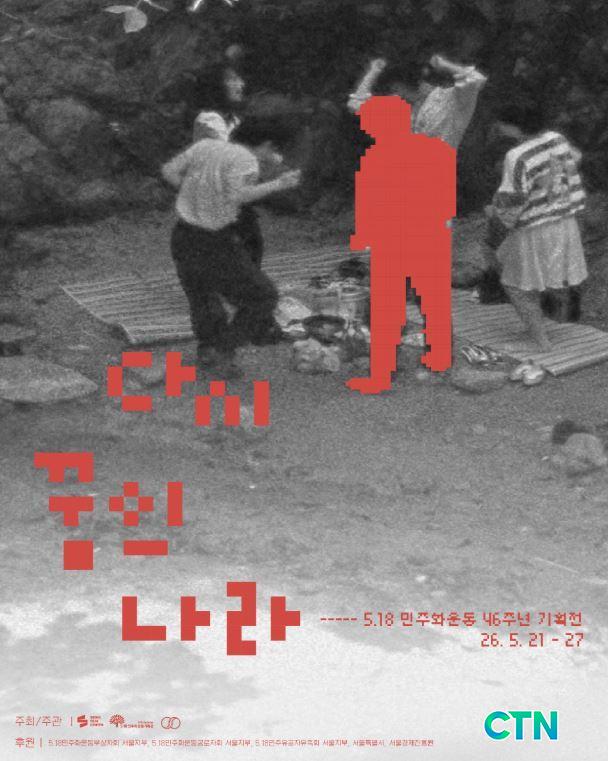
이번 상영회에는 '오! 꿈의 나라', '택시운전사', '박하사탕' 등 장편영화 5편과 단편영화 3편을 비롯해, 기록관이 소장한 발굴영상(23분)과 지난 2025년 새로 수집된 금남로 일대의 시민촬영영상(7분)이 사료로서 최초 공개된다. 한국영화인협회가 상영 기획과 홍보를 맡고, 5·18 공법 3단체 서울지부와 서울특별시가 동참해 수도권 시민들에게 5·18의 역사적 진실과 민주·인권·평화라는 보편적 가치를 알리겠다는 청사진을 내걸었다.
지자체 산하 기록 소장 기관이 박제된 역사를 대중적인 문화 매체와 결합해 전국적인 공감대로 확장하고 공공 거버넌스의 사회적 유용성을 극대화하려는 시도는, 국세청이 종합소득세 신고 기간을 맞아 카카오톡과 네이버 알림을 통해 '모바일 오류 안내문'을 선제적으로 발송하며 납세자들의 가산세 폭탄을 막으려 했던 디지털 적극 행정과 맥을 같이한다. 인천광역시 인재개발원이 한국조지메이슨대학교와의 'MOU 갱신'을 통해 공무원 조직의 행정 역량을 단기간에 글로벌 규격으로 끌어올리려 했듯이, 광주시 역시 수도권 중심부의 영화센터를 대여해 지역 간 기억의 간극을 메우고 세대 간 연대를 꾀하겠다는 세련된 포석으로 풀이된다.
그러나 '단 일주일'짜리 일회성 상영회를 두고 '지역 간 기억의 간극을 좁히고 오월정신을 전국화하겠다'는 거창한 수사를 붙이는 행정 이면에는, 장기적인 역사 교육 인프라 구축 대신 단발성 문화 이벤트로 성과를 과시하려는 안일한 세정 편의주의가 도사리고 있다. 경기도농수산진흥원이 '단 이틀, 28명'짜리 속성 교육을 열고 '농촌인력 전문기술 교육 체계 구축'이라는 과장된 언어로 생색을 냈던 것처럼, 광주시의 이번 행사 또한 한국영화인협회라는 민간 조직에 기획과 운영을 전적으로 의존한 '대관 대행 영화제'에 가깝다. 서울시민들이 정작 원하는 것은 상시적으로 5·18의 진실에 접근할 수 있는 디지털 아카이브의 개방과 세밀한 역사 왜곡 방지 대책임에도, 대중에게 이미 친숙한 장편영화 몇 편을 틀어놓고 "성숙한 시민의식을 일깨우는 마중물이 되었다"고 대대적으로 홍보하는 것은 본질을 흐리는 처사다.
더욱이 대구광역시가 단 50명의 청년만을 선발해 '우수기업 탐방'이라는 일회성 투어에 치중하며 정작 지역의 근본적인 고용 체질 개선을 외면했던 전시성 거버넌스처럼, 5·18기록관 역시 2025년에 수집했다는 귀중한 7분짜리 시민촬영영상을 일주일의 행사 기간이 끝난 뒤 어떻게 시민들에게 지속적으로 환원하고 교육 사료로 활용할 것인지에 대한 사후 대책은 전혀 내놓지 못하고 있다. 대구소방안전본부와 수자원공사가 기후 위기 대응을 명분으로 맺었던 '재난관리 협력 MOU'처럼, 서울시와 공법 단체들이 이름만 올린 채 정작 수도권 초·중·고교 역사 교육 과정과의 연계나 상시 상영관 확보를 위한 구체적인 '이행 프로토콜'은 전무한 실정이다. 기록관은 일주일 동안의 관람객 통계 수치에 자화찬하기 전에, 보여주기식 서울 나들이 행사를 지양하고 전국의 시민들이 오월의 기록을 언제 어디서나 입체적으로 체험할 수 있도록 'VR·AR 기반 온라인 역사 체험 플랫폼' 구축 등 자립적인 콘텐츠 고도화에 행정력을 먼저 집중해야 할 것이다.
[영문번역 기사-AI활용]
Kim Ho-kyun, director of the Gwangju 5·18 Democratization Movement Archives, declared, "By extending records from mere objects of preservation into active experiential contents, we aim to share the universal value of the 5·18 Democratization Movement with citizens," emphasizing that he hopes a deep empathy for the May spirit will be formed across generations and regions through this screening. The 5·18 Democratization Movement Archives announced that it will hold a special screening of May films under the theme of 'Again, the Land of Dreams' from the 21st to the 27th for a week at the Seoul Film Center in Jung-gu, Seoul, in cooperation with the dissatisfaction-laden Korean Film Association to commemorate the 46th anniversary of the 5·18 Democratization Movement.
In this screening, five feature films including 'Oh! Dream Land', 'A Taxi Driver', and 'Peppermint Candy', and three short films will be shown, along with the first public release of historical resources secured by the archive, including unearthed footage (23 minutes) and citizen-recorded footage (7 minutes) capturing the Geumnam-ro area on May 21, 1980, which was collected in 2025. The Korean Film Association is in charge of screening planning and promotion, while the Seoul branches of three 5·18 public corporate bodies and the Seoul Metropolitan Government participate to present a blueprint to inform metropolitan citizens of the historical truth of 5·18 and the universal values of democracy, human rights, and peace.
The attempt by a local government's record storage institution to dissolve institutional barriers and combine historical records with popular cultural media to expand into a national consensus aligns with the proactive digital administration of the National Tax Service, which preemptively sent 'Mobile Error Notices' via KakaoTalk and Naver during the comprehensive income tax return period to prevent taxpayers' penalty tax bombs. Just as the Incheon Human Resources Development Institute tried to raise the administrative capability of the public official organization to global standards in a short period through the 'MOU Renewal' with George Mason University Korea, Gwangju's effort is also interpreted as a sophisticated strategy to bridge the memory gap between regions and seek intergenerational solidarity by leasing a film center in the heart of the metropolitan area.
However, putting grand rhetoric like 'bridging the memory gap between regions and nationalizing the May spirit' onto an ultra-short one-off screening event of 'just one week' reveals the true colors of typical 'showing-off exhibition administration' trying to boast historical preparedness with a single cultural performance instead of long-term history education infrastructure building. Just as the Gyeonggi Agro-Food Institute faced criticism for making a show by opening a short-term crash course of 'just two days, 28 people' and calling it 'establishing a rural workforce specialized technical education system', Gwangju's current move is also closer to a 'commissioned rental film festival' that relies entirely on a private organization called the Korean Film Association for planning and operation. What Seoul citizens truly demand is the opening of a digital archive where they can constantly access the truth of 5·18 and meticulous countermeasures against history distortion; nevertheless, heavily promoting that it "served as a priming water to awaken mature civic consciousness" just because a few feature films familiar to the public were played misses the mark.
Furthermore, much like the exhibition-style governance of Daegu Metropolitan City, which selected only 50 youths for an 'Excellent Enterprise Tour' while turning a blind eye to fundamentally improving the employment structure of local youth, the 5·18 Archives also keeps completely silent regarding the post-event measures on how to sustainably return and utilize the precious 7-minute citizen-recorded footage collected in 2025 as educational resources after the one-week event ends. Like the 'Disaster Management Cooperation MOU' signed by the Daegu Fire and Safety Headquarters and K-water under the pretext of climate change response, the formal listing of names by Seoul City and public corporate bodies lacks a specific 'implementation protocol' linked with history curricula in metropolitan elementary, middle, and high schools. Before self-congratulating achievements with visitor statistics for a single week, the archive must refrain from showing-off Seoul outing events and concentrate its administrative power first on independent content upgrading, such as building a 'VR/AR-based online history experience platform' so that citizens across the country can stereoscopically experience the records of May anytime, anywhere.
#GwangjuMetropolitanCity #518DemocratizationMovementArchives #DirectorKimHoKyun #KoreanFilmAssociation #AgainTheLandOfDreams #SeoulFilmCenter #CitizenRecordedFootage #Geumnamro #EraOfLocalAutonomy #MaySpirit #ActiveAdministrationOrExhibitionAdministration #HistoricalResistance #UniversalValue #HistoryDistortionPrevention #OneOffFilmFestival #LeasingAdministration #MOUGovernance #HistoryArchive #PostManagementNeeded #CurrentAffairsCritique #CTN
 |
최영준 기자 gildongmoo2@hanmail.net
굴곡 없는 참시선으로
|