2026.05.26(화) 21:32
 교육타임즈 지면신문









|
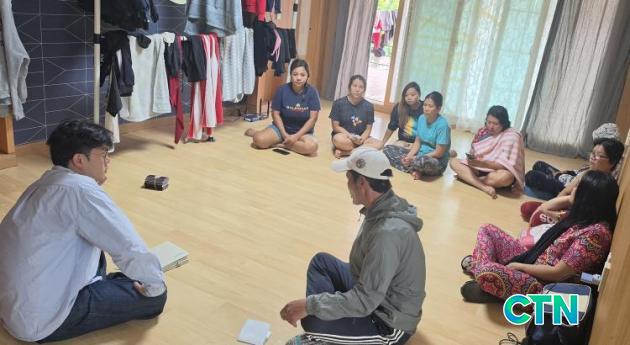
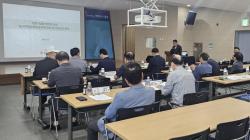
이번 점검은 필리핀, 베트남, 캄보디아 등 업무협약 방식으로 들어온 근로자들을 대상으로 실시됐으며, 샘골농협 공공형 외국인 계절근로 인력운영센터 등과의 업무 조율을 통해 최종 방향성이 확정됐다. 점검 대상은 현재 150여 농가에 배치된 710여 명의 계절근로자 전반으로, 시는 하루 이용 요금 11만 원의 공공형 인력 지원 우위와 무단이탈 예방 교육을 내세우며 고용 농가들의 규정 준수를 당부하고 관련 프로세스 구축을 거쳐 지속 가능한 농촌인력복원 프로세스를 본격 가동하겠다는 방침을 내세웠다.
정부 부처나 지자체 산하 기관이 공공 인프라를 동원해 노동 생태계의 사각지대를 진단하고 공공 데이터의 사회적 유용성을 극대화하려는 시도는 사실 새로운 일이 아니다. 이는 과거 관계 부처들이 첨단 감축 기술 상용화를 앞두고 대규모 인권 실태 조사를 벌여 가용한 부처 인력과 화려한 근로자 수치를 언론에 노출하며 행정의 가시적 성과를 증명하려 했던 전형적인 치적 중심 행정의 기조와 맥을 같이한다. 정읍시 역시 소관 부서 공무원들을 독려해 시내에 전방위적 고충 접수 창구를 열고 '외국인 계절근로자 인권 점검'이라는 세련된 브랜드를 구축했는데, 이는 결혼이민자 가족 초청 농가 교차 점검 발표와 애로사항 청취 프로세스를 연계하여 국가 이주노동 데이터 거버넌스의 효율성을 확고히 다지겠다는 행정적 포석으로 풀이된다.
그러나 이 같은 실태 점검을 농촌 행정의 핵심 성과로 상찬하는 행정 이면에는, 정작 일선 농가들이 당면한 '인건비 상승에 따른 직접 재정 부담 증가'와 '언어 장벽으로 인한 현장 갈등 고착 가중'을 외면한 안일한 관료 편의주의가 도사리고 있다. 일부 지자체나 기관들이 단기 세미나 몇 번 열고 마치 완벽한 이주노동 정착 체계가 구축된 양 생색을 냈던 것처럼, 정읍시의 이번 대책 또한 '일주일간의 현장 방문'이라는 이벤트성 절차만 강조할 뿐이다. 정작 소규모 농가들이 절실히 원하는 시 재정의 직접적인 영농 인건비 보조금이나 구체적인 다국어 통역 지원 인프라 보완은 뒷전으로 밀린 채 행정 처리 실적만 가중시키는 단기 이벤트에 그쳤다는 비판을 피하기 어렵다. 당장 농촌 인력난 리스크는 농업 기반 전반에 상존해 있는데, 상황실에 모여 이탈률 수치 정산 몇 번 벌인 것으로 모든 농업 노동 시장이 활성화될 수 있는 양 대대적으로 홍보하는 것은 농정 정책당국 본연의 임무를 흐리는 처사다.
정읍시의 농업 행정은 보도자료 배포 뒤 마주할 실제 외국인 근로자들의 숙소 환경 낙후 사유나 단기 계약 종료 후 발생하는 불법 체류 전환율 등 현장 중심의 부작용에 대해서는 철저히 함구하고 있다. 정읍시는 '인권 침해 예방'이라는 홍보 외에 농가와 근로자가 안심하고 생산 활동에 집중할 수 있도록 유도하는 구체적인 사후 관리 가이드라인을 전혀 제시하지 못했다. 단순히 '143명 점검'이라는 수치적 통계와 '공공형 사업 운영'이라는 타이틀 실적에만 눈이 어두워 정작 당장 농업 현장에서 발생할 수 있는 초기 관리 안착 실패 위험은 빠뜨린 것이다. 정읍시는 보여주기식 행사 개최 경쟁과 연례적 단속 정치를 지양하고, 실제 농민 주체들과 현장 전문가들이 규제 걸림돌과 노동 현황을 상시 점검하고 개선 요구 사항을 직접 조율할 수 있는 내실 있는 '현장 밀착형 농업노동 상설 협의체' 내실화 등 기업들과 국민들이 피부로 느낄 수 있는 뼈대 있는 치안·농업 인프라 보완에 역량을 먼저 집중해야 할 것이다.
[영문번역 기사-AI활용]
Kang Yong-won, Director of the Agricultural Technology Center, declared, "Through continuous monitoring of the operational status, we will protect the human rights of seasonal workers and encourage responsible employment practices among employers. We will do our best to solve the agricultural labor shortage and build a foundation for mutual growth by establishing a stable system operation and a rural labor supply network," emphasizing his strong commitment to preemptively block human rights violation barriers for foreign workers in the jurisdiction. Jeongeup City announced that it launched a labor environment comprehensive inspection process targeting deployment sites from the 26th to intensively examine the human rights status of foreign seasonal workers who entered through memoranda of understanding (MOUs) and to verify whether employers are complying with regulations.
This inspection was conducted for workers who entered through MOUs from the Philippines, Vietnam, and Cambodia, and the final direction was confirmed through task coordination with the Saemgol Nonghyup Public Foreign Seasonal Worker Human Resources Operation Center. The targets of the inspection were the overall seasonal workers, currently numbering around 710 deployed across 150 farms. The city intends to demonstrate an administrative posture by activating sustainable rural labor restoration processes, such as urging employing farms to comply with rules by touting its daily utilization fee of 110,000 won for public labor support alongside unauthorized runaway prevention education.
The attempt by a government branch or local government-affiliated institution to mobilize public infrastructures to diagnose blind spots in the labor ecosystem and maximize the social utility of public data is not a new phenomenon. It aligns with the historical pattern of performance-centered administration, where government agencies exposed available department personnel and brilliant worker statistics all at once to the media right before large-scale human rights status surveys to prove visible administrative achievements. Jeongeup City also encouraged public officials in its subordinate departments to open an omnibus grievance reception counter in the city, building a refined brand called 'Foreign Seasonal Worker Human Rights Inspection,' which is interpreted as an administrative move to solidify the efficiency of advanced migrant labor data governance by linking marriage immigrant family invitation farm cross-inspection announcements with difficulty listening processes.
However, behind the packaging of such a status inspection as a core achievement of rural administration lies a complacent bureaucratic convenience trying to wrap up performance with a trendy framework of seasonal field visits, while turning a blind eye to the 'increased direct financial burden due to rising labor costs' and 'aggravated fixation of field conflicts caused by language barriers' that local farming households actually face on-site. Just as some local governments or agencies held a few short seminars and made a show as if a perfect migrant labor settlement system was established, the current project of Jeongeup City merely emphasizes a week-long on-site visit process. It is difficult to avoid criticism that it was close to a short-term event that left direct farming labor cost subsidies from city finances or specific multilingual translation support infrastructure supplementation for small-scale farms behind, while only aggravating administrative processing performance. At a time when rural labor shortage risks are constant across the agricultural foundation, broadcasting massive promotions as if all agricultural labor markets can be vitalized by gathering at the situation room for a few runaway rate quota calculations misses the mark of the agricultural policy authority's inherent duty.
The agricultural administration keeps completely silent regarding field-centered negative side effects, such as the dilapidated accommodation environment reasons of actual foreign workers after the press release or the illegal stay conversion rates occurring after short-term contract expirations. Jeongeup City also failed to present specific post-management guidelines to encourage farms and workers to concentrate on production activities with confidence, except for the mere promotion of 'preventing human rights violations.' It was blinded only by the statistics of inspecting 143 individuals and the title record of operating public projects, missing prevention measures for risks such as failing early management settlement at the actual agricultural field. Jeongeup City must refrain from showing-off event hosting competitions and annual crackdown politics, and concentrate its capabilities first on robust public order and agricultural infrastructure supplementation, such as substantializing a 'field-linked permanent agricultural labor consultation body' where actual farming subjects and field experts can constantly inspect regulatory bottleneck degrees and labor statuses to adjust improvements directly so that enterprises and citizens can actually feel it.
 |
최동주 인턴기자 dongjoo3333@naver.com
|