2026.05.16(토) 09:37
 교육타임즈 지면신문









|

특히 고사성어(故事成語)는 단순한 네 글자의 조합을 넘어, 수천 년의 역사를 관통하는 인간사의 통찰과 도덕적 가치를 응축하고 있다.
파편화된 지식 전달보다 '사람됨'의 교육이 절실한 지금, 학생들에게 들려줄 만한 고사성어 속 인성 이야기를 제언해 본다.
공자가 안연에게 설파한 극기복례(克己復禮)는 "자기 자신을 이기고 예(禮)로 돌아간다"는 뜻을 담고 있다.
충동 조절 능력이 부족해지기 쉬운 청소년들에게 이 성어는 깊은 울림을 준다.
여기서 '자기 자신을 이긴다'는 것은 타인과의 경쟁에서 승리하는 것이 아니라, 내 안의 이기심과 감정의 과잉을 다스리는 것을 의미한다.
타인을 존중하는 마음인 '예'를 갖추기 위해 스스로를 성찰하는 태도는, 공동체 의식이 희박해진 교실 내에서 가장 먼저 회복해야 할 인성의 가치다.
조선 시대 연산군이 신하들의 목에 걸게 했다는 신언패(愼言牌)에는 "입은 화를 부르는 문이요, 혀는 몸을 베는 칼이다(口是禍之門 舌是斬身刀)"라는 문구가 새겨져 있었다.
SNS와 단체 대화방이 일상이 된 요즘 학생들에게 '말의 무게'는 더욱 무겁게 다가온다. 무심코 던진 한마디가 누군가에게는 치명적인 비수가 될 수 있음을 고사를 통해 가르쳐야 한다. 진정한 인성은 화려한 언변이 아니라, 자신의 언어가 공동체에 끼칠 영향을 고민하는 '신중함'에서 시작되기 때문이다.
비록 사자성어는 아니지만, 고전에서 강조하는 동락(同樂)의 정신은 현대 교육의 협력 가치와 맞닿아 있다. 혼자 빨리 가는 것보다 함께 멀리 가는 법을 배우는 것이야말로 미래 인재가 갖춰야 할 핵심 역량이다.
맹자가 강조했듯, '나 홀로 즐기는 것(獨樂)'보다 '함께 즐기는 것(與民同樂)'이 더 큰 기쁨임을 아이들이 깨닫게 해야 한다. 경쟁에 매몰되어 옆자리의 친구를 밀어내야 할 대상이 아닌, 함께 성장할 동반자로 인식할 때 비로소 건강한 인성 교육이 완성된다.
고사성어 교육은 한자를 암기하는 시간이 아니다. 그 속에 흐르는 옛사람들의 고뇌와 선택을 공유하며, 오늘날 우리가 마주한 도덕적 갈등의 답을 찾아가는 과정이다.
교실에서 울려 퍼지는 낡은 지혜가 아이들의 마음속에 '인성'이라는 단단한 뿌리로 내려앉길 기대한다. 화려한 지식보다 올바른 성품이 그들의 인생을 더 멀리, 더 밝게 이끌어줄 것임을 믿어 의심치 않는다.
#인성교육 #고사성어 #칼럼 #교육타임즈 #청소년교육 #극기복례 #신언패 #공동체수업 #한성진국장 #인성가치
[AI를 통한 영문번역 기사]
Ancient Wisdom in Proverbial Phrases: Awakening Today’s 'Character'
By Han Seong-jin, Editorial Director of Gyo-yuk Times
In today’s educational environment, dominated by digital devices and a sense of urgency, the "aesthetics of slowness" found in the wisdom of our ancestors may be precisely what is needed most. Specifically, Gosa-seong-eo (ancient Chinese proverbial phrases) are more than just combinations of four characters; they encapsulate insights into human history and moral values that have spanned thousands of years. At a time when teaching "how to be a human being" is more urgent than merely delivering fragmented knowledge, I would like to propose a few stories from ancient idioms suitable for students' character education.
1. Overcoming Oneself: 'Geuk-gi-bok-rye' (克己復禮)
The phrase Geuk-gi-bok-rye, taught by Confucius to his disciple Yan Yuan, means "to overcome oneself and return to propriety (禮)." This carries a deep resonance for adolescents who may struggle with impulse control.
Here, "overcoming oneself" does not mean winning a competition against others, but rather mastering one's own selfishness and emotional excesses. The attitude of self-reflection to maintain "propriety"—a heart that respects others—is the primary value of character that must be restored in classrooms where the sense of community has weakened.
2. The Weight of Action over Words: 'Sin-eon-pae' (愼言牌)
During the Joseon Dynasty, King Yeonsangun made his officials wear a plaque called Sin-eon-pae around their necks. It was inscribed with the warning: "The mouth is the gate that brings disaster, and the tongue is the sword that cuts the body."
For students today, whose daily lives revolve around social media and group chats, the "weight of words" is even more significant. We must teach them through history that a single word tossed out thoughtlessly can become a fatal dagger to someone else. True character begins not with eloquent speech, but with the "prudence" of considering the impact one's language has on the community.
3. The Aesthetics of 'Harmonizing' to Go Further Together
Although not a four-character idiom itself, the spirit of Dong-rak (同樂), emphasized in the classics, aligns with the value of cooperation in modern education. Learning how to go further together, rather than going fast alone, is a core competency that future leaders must possess.
As Mencius emphasized, we must help children realize that "enjoying together with others" (Yeo-min-dong-rak) is a much greater joy than "enjoying alone" (Dok-rak). Character education is truly completed only when students move past being consumed by competition and begin to recognize their peers not as targets to be pushed aside, but as companions for mutual growth.
Closing Thoughts
Education through ancient idioms is not a time for memorizing characters. It is a process of sharing the agonies and choices of those who came before us and finding answers to the moral conflicts we face today.
I look forward to seeing this ancient wisdom echo in our classrooms and take root as a firm foundation for our children's character. I have no doubt that a righteous character will lead their lives further and brighter than any flash of brilliant knowledge.
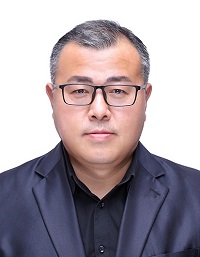 |
한성진 기자 handumok@hanmail.net
한성진 기자 입니다.
|