2026.05.15(금) 10:32
 교육타임즈 지면신문








|
대한민국 교단이 보내는 이 한 문장은 지금 한국 공교육의 현실을 압축적으로 보여준다.
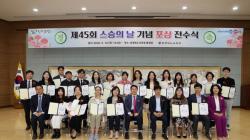
제45회 스승의 날을 맞아 한국교원단체총연합회가 발표한 전국 교원 8,900명 설문조사는 단순한 직업 만족도 조사가 아니다.
이는 '대한민국 공교육 시스템이 어디까지 무너졌는가'를 보여주는 위험 신호에 가깝다.
이번 조사에서 가장 충격적인 대목은 교원 절반 가까이(49.2%)가 최근 1~2년 사이 직업적 자부심이 낮아졌다고 응답했다는 점이다.
반대로 자부심이 높아졌다는 응답은 12.8%에 불과했다.
이는 단순한 감정 문제가 아니다.
교사라는 직업이 더 이상 존중받지 못하고, 보호받지 못하며, 미래 비전조차 상실하고 있다는 집단적 절망의 표현이다.
특히 교사들이 가장 무력감을 느끼는 이유로 '학생·학부모로부터 신뢰받지 못하고 교권이 침해될 때'가 67.9%로 압도적으로 나타난 사실은 매우 상징적이다.
과거 교권 침해는 일부 일탈 사례로 여겨졌지만, 이제는 교사들이 일상적으로 체감하는 구조적 공포가 됐다.
실제로 최근 몇 년간 교단은 극단적 상황을 반복적으로 목격했다.
정당한 생활지도조차 아동학대 신고로 이어지고, 수업 중 폭언과 폭행, 악성 민원, 온라인 신상공개까지 이어지는 현실 속에서 교사는 교육보다 ‘자기방어’를 먼저 고민하는 존재가 되어가고 있다.
문제는 정부가 내놓은 대책들이 현장에서 체감되지 못하고 있다는 점이다.
서이초 사건 이후 이른바 ‘교권 5법’이 통과됐지만, 현장의 교사들은 여전히 "달라진 것이 없다"고 말한다.
법은 만들어졌지만 교실은 여전히 무방비 상태라는 것이다.
더 심각한 부분은 '교직 기피 현상'이다.
이번 조사에서 교직 이탈 및 신규 교직 기피 이유 1위는 ‘무분별한 아동학대 신고 및 학부모 민원 노출’(28.9%)이었다.
이어 낮은 보수(28.1%), 교권 보호 장치 부재(23.5%)가 뒤를 이었다.
이는 단순한 처우 문제가 아니다.
교사들이 "위험한데 돈도 적다"고 느끼기 시작했다는 뜻이다.
실제로 교총이 공개한 자료에 따르면 2025년 신규 교사의 월 실수령액은 약 249만 원 수준이다. 이는 1인 가구 생계비에도 미치지 못한다.
사회적 책임은 큰데 경제적 보상은 낮고, 심지어 법적 위험까지 감수해야 하는 구조 속에서 우수 인재들이 교단을 떠나는 것은 어쩌면 당연한 결과다.
그런데도 교육당국은 여전히 교사들에게 본질적 교육활동보다 행정업무를 우선 강요하고 있다.
교원의 90.8%가 “행정업무가 전체 업무의 40% 이상”이라고 응답했고, 절반 이상은 교육활동 자체가 방해받는 수준이라고 토로했다.
운동장 성분 검사, 기자재 관리, 각종 실태조사와 공문 처리까지.
교사는 수업 전문가가 아니라 '학교 행정 종합 처리 인력'처럼 소모되고 있다.
이쯤 되면 교권 침해는 단순히 학생·학부모 문제만이 아니다.
정작 가장 큰 교권 침해는 교사를 교육에 집중하지 못하게 만드는 국가 시스템 자체인지도 모른다.
이번 조사에서 교원들이 강하게 찬성한 '중대 교권침해 학생부 기재', '학폭 조치 대입 반영', '촉법소년 연령 하향' 역시 단순한 처벌 강화 요구로만 볼 수는 없다.
이는 "교실 안 최소한의 질서와 책임 원칙마저 무너지고 있다"는 절박한 구조 신호에 가깝다.
물론 우려도 존재한다.
학생부 기재 확대가 낙인효과로 이어질 가능성, 교권 강화가 학생 인권 위축으로 연결될 수 있다는 비판 역시 충분히 경청해야 한다.
교권과 학생인권은 대립 개념이 아니라 함께 균형을 이뤄야 하는 가치이기 때문이다.
하지만 지금의 현실은 균형 이전에 '교사의 생존권' 자체가 흔들리는 단계라는 점에서 문제의 심각성이 있다.
공교육은 교사의 헌신만으로 유지되지 않는다.
교사에 대한 사회적 신뢰, 법적 보호, 합리적 보상, 교육에 집중할 수 있는 환경이 함께 구축될 때 비로소 유지된다.
스승의 날마다 “선생님 감사합니다”라는 말은 반복된다.
그러나 지금 교단이 요구하는 것은 꽃과 행사, 형식적 기념사가 아니다.
교사들이 더 이상 두려움 속에서 수업하지 않도록 만드는 것.
그것이 지금 대한민국 교육이 가장 먼저 해야 할 일이다.
이에 대한민국 최고의 인터넷신문 CTN은 대안으로 ▲교육활동 침해 사건 '국가책임 변호 시스템' 즉각 도입 ▲무고성 아동학대 신고에 대한 엄정 처벌 및 교육감 직권 대응체계 구축 ▲교사 행정업무 국가통합지원센터 설립 ▲초임교사 급여 현실화 및 물가연동 보수체계 도입 ▲교권·학생인권 통합 조정기구 설치 ▲악성 민원 차단을 위한 학교 법률지원 상설화 ▲교사 정신건강 및 트라우마 치유 시스템 국가 운영을 제안한다.
[영문번역기사-AI활용]
'Teacher's Day? No, Teacher's Rights Collapse Day': KFTU Survey Reveals the Bare Face of Public Education
The Era of 'Lost Rights' Beyond Falling Authority... "Teachers have become complaint handlers, not educators."
Analysis of 8,900 responses from the KFTU survey warns of a collapse in public education amidst broken trust, compensation, and safety.
[Education/CTN] Reporter Keum-hyeon Ga = "I am happiest when I see a student grow, but I feel most powerless when I am not trusted by students and parents."
This single sentence from the South Korean teaching community poignantly encapsulates the current reality of public education, as reported by Reporter Keum-hyeon Ga of CTN, South Korea's premier internet newspaper.
The nationwide survey of 8,900 teachers released by the Korean Federation of Teachers' Associations (KFTU) to mark the 45th Teacher's Day is more than a simple job satisfaction poll. It is a danger signal indicating how far the South Korean public education system has crumbled.
A Collective Sense of Despair
The most shocking takeaway from the survey is that nearly half (49.2%) of teachers responded that their professional pride has declined over the past one to two years. In contrast, only 12.8% said it had increased.
This isn't just an emotional issue. It is a collective expression of despair—a realization that the teaching profession is no longer respected, protected, or offered a vision for the future. Notably, 67.9% of teachers cited "loss of trust from students/parents and infringement of teacher rights" as the primary reason for their feelings of powerlessness.
While infringements on teacher rights were once viewed as isolated incidents, they have now become a structural fear experienced daily. In recent years, the teaching community has witnessed extreme situations:
Legitimate guidance being reported as "child abuse."
Verbal and physical abuse during class.
Malicious civil complaints and online doxxing.
In this environment, teachers are increasingly forced to prioritize "self-defense" over education.
Structural Failures: Administrative Burdens and Low Pay
Despite the passage of the "Five Teacher Rights Acts" following the Seoi Elementary School tragedy, teachers in the field say nothing has changed. The law exists, but the classroom remains defenseless.
The resulting "teaching profession avoidance" is even more severe. The top reasons cited for leaving or avoiding the profession were:
Indiscriminate child abuse reports and exposure to parental complaints (28.9%)
Low compensation (28.1%)
Lack of protective mechanisms for teacher rights (23.5%)
Essentially, teachers feel the job has become "dangerous yet underpaid." According to KFTU data, the net monthly salary for a new teacher in 2025 is approximately 2.49 million KRW—barely meeting the living expenses of a single-person household.
Furthermore, 90.8% of teachers reported that administrative work accounts for more than 40% of their total duties. From playground safety inspections to equipment management and processing official documents, teachers are being consumed as "general administrative staff" rather than pedagogical experts.
A Cry for Fundamental Change
The demand for recording serious infringements on student records (Saegeulbu) or lowering the age of criminal responsibility should not be viewed as a mere call for harsher punishment. It is a desperate SOS signaling that the minimum principles of order and responsibility in the classroom have vanished.
While concerns exist regarding the "labeling effect" on students or the potential weakening of student rights, the current reality is that the "right to survival" for teachers is at stake. Public education cannot be sustained by the sacrifice of teachers alone. It requires social trust, legal protection, and rational compensation.
CTN's Proposed Solutions
To move beyond empty "Thank you, Teacher" slogans, CTN proposes the following:
State-Responsible Legal Defense System: Immediate implementation for incidents of educational infringement.
Strict Punishment for False Child Abuse Reports: Establishment of a direct response system by Superintendents.
National Integrated Support Center: To handle administrative tasks currently assigned to teachers.
Salary Realization: Updated pay scales for new teachers tied to inflation.
Integrated Adjustment Body: To balance teacher rights and student human rights.
Permanent Legal Support: Dedicated school-based support to block malicious complaints.
National Mental Health Care: State-operated trauma and mental health systems for educators.
 |
가금현 기자 ggh7000@hanmail.net
가금현 기자 입니다.
긍정적인 사고로 의리를 지키며 살고싶다.
술은 웃음소리가 밖에까지 들리도록 마셔라!
내가 그자리에 있다고
CTN·교육타임즈·충청탑뉴스·CTN방송 발행인
|