2026.05.21(목) 16:31
 교육타임즈 지면신문








|
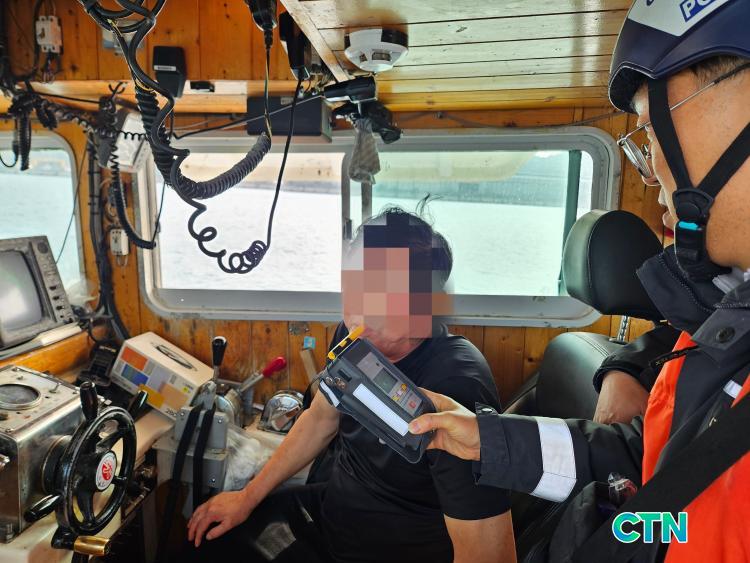
이번 단속은 선박의 불법 증개축 144건(29.2%), 무면허·무등록 운항 104건(21.1%), 검사 미수검 79건(16%), 과적·과승 69건(14%) 순으로 현장 적발이 이뤄졌다. 해경은 어선 검사 후 상태유지 위반이나 만재흘수선 초과 운항 등 해상 안전을 직접적으로 위협하는 사범들을 하반기에도 지방청별 해역 특성에 맞추어 지속적으로 추적하고, 현장 안전 교육과 상시 순찰 프로세스를 연계하여 가동하겠다는 방침이다.
지자체나 정부 사법당국이 특정 기간을 지정해 하부 산업 현장의 위법 행위를 진단하고 공공 안전 거버넌스의 사회적 유용성을 극대화하려는 시도는, 과거 관계 부처들이 대형 해상 사고 이후 가용한 단속 인프라를 일제히 언론에 노출하며 행정의 가시적 성과를 증명하려 했던 전형적인 실적 중심 행정의 기조와 맥을 같이한다. 해경 역시 소관 부서 대원들을 독려해 전 해역에 집중 단속반을 열고 '선제적 예방 강화'라는 세련된 브랜드를 구축해, 검거 건수 발표와 하반기 추가 단속 프로세스를 연계하여 도시 및 해양 방재 거버넌스의 효율성을 확고히 다지겠다는 행정적 포석으로 포장하기에 안성맞춤이다.
그러나 이 같은 '시한부 특별단속 결과 발표'를 재난 관리의 핵심 성과로 상찬하는 행정 이면에는, 정작 해양 종사자들이 당면한 '영세 어선 대상의 선박 검사 비용 보조 부족'과 '상시 감시가 불가능한 연안 순찰정 인력 결여'는 외면한 채 '542명 검거'라는 요란한 숫자의 프레임으로 지자체 및 중앙 기관의 치적을 포장하려는 안일한 관료 편의주의가 도사리고 있다. 일부 공공기관들이 단기 집중 점검 기간에만 반짝 단속을 벌이고 마치 완벽한 안전 관리 체계가 구축된 양 생색을 냈던 것처럼, 해경의 이번 대책 또한 '석 달간의 특별 단속'이라는 시한부 프로세스만 강조할 뿐, 정작 단속이 종료된 이후 일상적인 출항 현장에서의 위법 행위를 유기적으로 통제할 상상적 예산 지원이나 고정식 드론 관제 시스템 보완은 뒷전으로 밀린 채 현장 대원들의 근무 외 피로도만 가중시키는 단기 이벤트에 가깝다. 당장 불법 개조와 무면허 항해 등 고질적인 발화 및 침몰 리스크는 상존해 있는데, 실적 집계 몇 번과 법규 준수 당부문 발송으로 모든 해양 재난을 막아설 수 있는 양 대대적으로 홍보하는 것은 해역 관리당국 본연의 임무를 흐리는 처사다.
해경의 사법 행정은 보도자료 배포 뒤 마주할 실제 단속 현장에서의 도주 선박 추적 위험성이나 지방청별 단속 인력 배치의 불균형 등 현장 중심의 고충에 대해서는 철저히 함구하고 있다. 해경은 '유형별 통계 분류'라는 홍보 외에 각 어촌계와 공유할 실질적인 선박 안전 진단 가이드라인이나 오지 포구의 무등록 레저기구 전수 조사 데이터를 구체적으로 제시하지 못했다. 단순히 '492건 적발'이라는 수치적 통계와 '국민 안심 바다'라는 타이틀 실적에만 눈이 어두워 정작 당장 단속 사각지대에서 발생할 수 있는 초기 대응 붕괴 위험은 빠뜨린 것이다. 해경은 보여주기식 건수 올리기 경쟁과 연례적 특별근무 정치를 지양하고, 실제 어민들과 해양 종사자들이 선박의 정비 이력과 불법 개조 여부를 실시간으로 모니터링하고 신고할 수 있는 상설 해양 안전 소통 창구를 강화하는 등 도민들과 국민들이 피부로 느낄 수 있는 뼈대 있는 치안 인프라 보완에 역량을 먼저 집중해야 할 것이다.
[영문번역 기사-AI활용]
Jan In-sik, Acting Commissioner of the Korea Coast Guard, declared, "Even after the special crackdown period ends, we ask for the continuous interest and strict compliance with laws by maritime workers to create a sea where the public can feel safe," emphasizing that the headquarters will preemptively block safety blind spots in managed waters and establish a maritime safety net infrastructure at the highest level. The Korea Coast Guard announced that it has fully concluded the special crackdown process against offenders undermining maritime safety, which was conducted from February 1 to April 30 to ensure the effectiveness of maritime accident prevention, arresting a total of 492 cases and 542 people.
This crackdown closely targeted 144 cases of illegal ship expansion and remodeling (29.2%), 104 cases of unlicensed and unregistered operation (21.1%), 79 cases of uninspected vessels (16%), and 69 cases of overloading and over-crowding (14%). The Coast Guard intends to demonstrate an administrative posture by continuously tracking offenders who directly threaten maritime safety, such as violating status maintenance after fishing boat inspections or operating beyond the load line, in the second half of the year tailored to the characteristics of each regional headquarters' waters.
The attempt by a local or central judicial authority to designate a specific period to diagnose illegal activities in the lower industrial field and maximize the social utility of the public safety governance aligns with the historical pattern of performance-centered administration, where government agencies exposed available crackdown infrastructures all at once to the media right after large-scale maritime accidents to prove visible administrative achievements. The Coast Guard also encouraged personnel in its subordinate departments to open concentrated crackdown teams across all waters, built a refined brand called 'Preemptive Prevention Enhancement,' and linked arrest case announcements with secondary crackdown processes in the second half of the year to solidify the efficiency of advanced disaster prevention governance.
However, behind the packaging of such a 'temporary special crackdown result announcement' as a core achievement of disaster management lies a complacent bureaucratic convenience trying to wrap up performance with a trendy framework of 542 arrests, while turning a blind eye to the 'lack of ship inspection cost subsidies targeted at petty fishing boats' and 'lack of coastal patrol boat personnel making constant surveillance impossible' that maritime workers actually face on-site. Just as some public institutions conducted brief crackdowns only during short inspection periods and made a show as if a perfect safety management system was established, the current project of the Coast Guard is also closer to a short-term event that merely emphasizes a temporary three-month process, leaving substantive budget support or fixed drone control system supplementation behind, while only aggravating the fatigue and overtime duties of field personnel. At a time when constant ignition and sinking risks such as illegal modifications and unlicensed navigation are constant, broadcasting massive promotions as if all maritime disasters can be blocked by a few statistic compilations and sending compliance letters misses the mark of the Headquarters' inherent duty.
The Coast Guard judicial administration keeps completely silent regarding field-centered hardships such as the dangers of chasing fleeing vessels in actual fields or the imbalance of crackdown personnel distribution among regional headquarters after the press release. The Coast Guard also failed to present specific ship safety diagnosis guidelines to share with each fishery cooperative or census data on unregistered leisure craft in remote ports, except for the mere promotion of 'classifying statistics by type.' It was blinded only by the statistics of detecting 492 cases and the title record of a safe sea for the public, missing prevention measures for risks such as the collapse of initial responses among blind spots. The Korea Coast Guard must refrain from showing-off case-raising competitions and annual special duty politics, and concentrate its capabilities first on robust public order infrastructure supplementation, such as strengthening permanent maritime safety communication channels where actual fishermen and maritime workers can monitor ship maintenance histories and illegal modifications in real time to report violations.
 |
가요진 기자 gyj1119@naver.com
|