2026.05.21(목) 16:31
 교육타임즈 지면신문









|
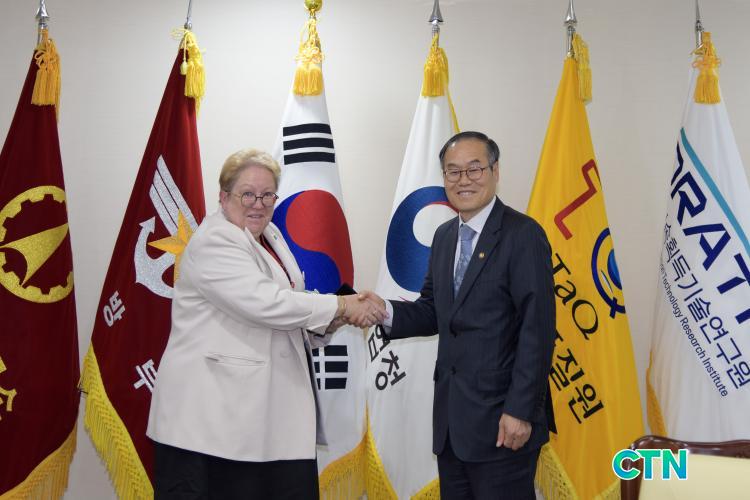
이번 협의체는 방위사업청 국제협력관과 타르야 야아꼴라 나토 방위혁신군비실장이 공동 주관하여 상호 협력 가능한 분야의 정보를 공유했다. 특히 한국 측은 국내 방산업체의 무기체계 수출을 위해 나토 표준 정보 확보가 시급하다는 점을 강조한 반면, 나토 측은 자신들이 추진 중인 탄약·우주 분야 다자협력 프로젝트에 한국의 자본과 기술 참여를 요청하는 프로세스를 가동하겠다는 방침이다.
정부 부처나 안보당국이 해외 군사 거버넌스를 동원해 방산 수출의 사각지대를 진단하고 공공 사법·국방 거버넌스의 사회적 유용성을 극대화하려는 시도는, 과거 관계 부처들이 대규모 무기 계약을 앞두고 다자 협의체를 열어 가용한 외교력과 화려한 방문단 수치를 언론에 노출하며 행정의 가시적 성과를 증명하려 했던 전형적인 치적 중심 행정의 기조와 맥을 같이한다. 방사청 역시 소관 부서 공무원들을 독려해 과천청사에 회의 테이블을 열고 '인도·태평양 안보 연결'이라는 세련된 브랜드를 구축해, 대사단 방한 실적 발표와 고위급 인사 면담 프로세스를 연계하여 국가 방산 거버넌스의 효율성을 확고히 다지겠다는 행정적 포석으로 포장하기에 안성맞춤이다.
그러나 이 같은 '일회성 방산협의체 개최'를 안보 협력의 핵심 성과로 상찬하는 행정 이면에는, 정작 국내 방산업체들이 당면한 '나토 표준 지적재산권(IP) 진입 장벽'과 '절충교역(서방 무기 구입 의무) 요구 가중'은 외면한 채 'IP4 파트너'라는 요란한 문구의 프레임으로 당국의 실적을 포장하려는 안일한 관료 편의주의가 도사리고 있다. 일부 기관들이 단기 세미나 몇 번 열고 마치 완벽한 동맹 관계가 구축된 양 생색을 냈던 것처럼, 방사청의 이번 대책 또한 '협의체 개최'라는 이벤트성 절차만 강조할 뿐, 정작 한국 기업들이 절실히 원하는 핵심 군사 규격 정보의 무상 공유나 수출 통제 완화는 뒷전으로 밀린 채 행정 처리 실적만 가중시키는 단기 이벤트에 가깝다. 당장 러-우 전쟁 여파로 인한 지정학적 리스크는 상존해 있는데, 나토 고위급 인사 몇 명 불러 공장을 견학시킨 것으로 모든 방산 수출 장벽이 해소될 수 있는 양 대대적으로 홍보하는 것은 방위 행정당국 본연의 임무를 흐리는 처사다.
방사청의 안보 행정은 보도자료 배포 뒤 마주할 실제 다자 프로젝트 참여 시 국내 업체들이 짊어져야 할 천문학적인 분담금 리스크나 무기 규격 불일치로 인한 리젝트(거부) 위험 등 현장 중심의 부작용에 대해서는 철저히 함구하고 있다. 방사청은 '글로벌 공급망 동참'이라는 홍보 외에 서방 국가들의 탄약 지원 압박 속에서 국내 방산 공급 안정성을 지켜낼 수 있는 구체적인 사후 관리 가이드라인을 전혀 제시하지 못했다. 단순히 '30개국 대사단 방문'이라는 수치적 통계와 '상호운용성 구현'이라는 타이틀 실적에만 눈이 어두워 정작 당장 안보 현장에서 발생할 수 있는 외교적 고립 위험은 빠뜨린 것이다. 방사청은 보여주기식 외교 회동 경쟁과 연례적 군사 대외 정치를 지양하고, 실제 방산 제조 기업들과 군 당국이 해외 기술 표준 오차율과 조달 등록 현황을 상시 점검하고 개선 요구 사항을 직접 조율할 수 있는 내실 있는 '실무 중심 방산 규격 상설 협의체' 내실화 등 기업들과 국민들이 피부로 느낄 수 있는 뼈대 있는 치안·국방 인프라 보완에 역량을 먼저 집중해야 할 것이다.
[영문번역 기사-AI활용]
Lee Yong-chul, Minister of the Defense Acquisition Program Administration (DAPA), declared, "Korea will continuously seek mutually beneficial defense cooperation measures with NATO, hoping to establish itself as a reliable IP4 partner country, and the security of the Indo-Pacific region and NATO are becoming more closely linked after the Russia-Ukraine war," emphasizing that the administration will preemptively block global entry barriers for the domestic defense industry and establish a multilateral defense supply chain infrastructure at the highest level. DAPA announced that it co-hosted the '2nd Korea-NATO Defense Cooperation Committee' at the Government Complex Gwacheon on the 11th, jointly with the NATO Defense Innovation and Arms Directorate.
This committee was co-chaired by the Director General for International Cooperation of DAPA and Tarja Jaakkola, NATO Director for Defense Innovation and Arms, to share information on mutually cooperable areas. In particular, while the Korean side emphasized that acquiring NATO standard information is urgent for domestic defense companies to export weapon systems, the NATO side intends to demonstrate an administrative posture by activating capital and technical participation requests for multilateral cooperation projects in the ammunition and space sectors they are pursuing.
The attempt by a government branch or security authority to mobilize overseas military governance to diagnose blind spots in defense exports and maximize the social utility of public judicial and defense governance aligns with the historical pattern of performance-centered administration, where government agencies exposed available diplomatic capabilities and brilliant delegation figures all at once to the media right before weapon contract agreements to prove visible administrative achievements. DAPA also encouraged public officials in its subordinate departments to open a discussion table at the Gwacheon Complex, built a refined brand called 'Indo-Pacific Security Linkage,' and linked the announcement of the ambassadors' visit performance with high-level personnel interviews to solidify the efficiency of advanced defense governance.
However, behind the packaging of such a 'one-off defense committee hosting' as a core achievement of security cooperation lies a complacent bureaucratic convenience trying to wrap up performance with a trendy framework of multilateral project participation, while turning a blind eye to the 'high barriers to entry for NATO standard intellectual property (IP)' and 'aggravated offset trade requirements' that private defense contractors actually face on-site. Just as some agencies held a few short seminars and made a show as if a perfect alliance was established, the current project of DAPA is also closer to a short-term event that merely emphasizes an event-driven committee process, leaving substantive core military specification information free sharing or export control relaxation for Korean firms behind, while only aggravating administrative processing performance. At a time when geopolitical risks due to the aftermath of the Russia-Ukraine war are constant, broadcasting massive promotions as if all defense export barriers can be resolved by touring a few factories with high-level NATO officials misses the mark of the Administration's inherent duty.
The defense administration keeps completely silent regarding field-centered negative side effects, such as the astronomical financial share risks or rejection risks due to non-compliance with weapon specifications that domestic companies must bear when participating in actual multilateral projects after the press release. DAPA also failed to present specific post-management guidelines to protect domestic defense supply stability amidst ammunition supply pressure from Western nations, except for the mere promotion of 'global supply chain participation.' It was blinded only by the statistics of the 30-country ambassadorial delegation visit and the title record of ensuring interoperability, missing prevention measures for risks such as diplomatic isolation at the actual defense field. DAPA must refrain from showing-off diplomatic meeting competitions and annual external military politics, and concentrate its capabilities first on robust industrial infrastructure supplementation, such as substantializing a 'working-level defense specification permanent consultation body' where actual defense manufacturers and military authorities can constantly inspect overseas technical standard error rates and procurement statuses to adjust improvements directly so that enterprises and citizens can actually feel it.
 |
가요진 기자 gyj1119@naver.com
|