2026.05.26(화) 19:55
 교육타임즈 지면신문









|
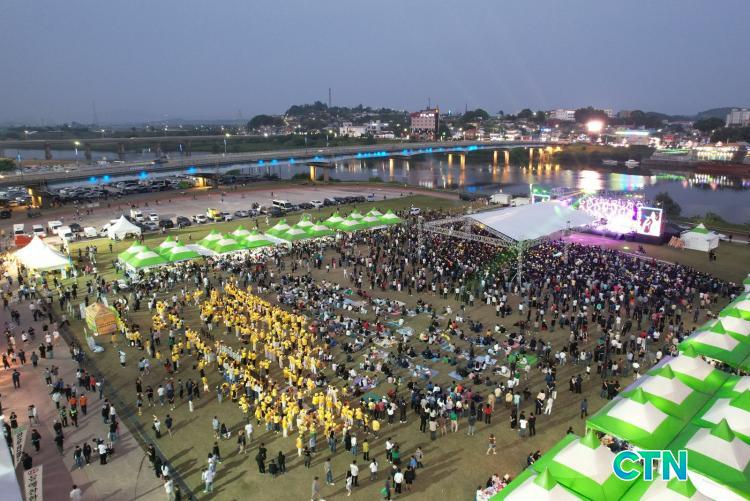
이번 축제는 영산포 홍어와 나주들애찬 한우를 중심으로 공연과 체험 콘텐츠를 결합해 실시됐으며, 영산포 홍어·한우축제 추진위원회와의 협의를 통해 최종 방향성이 확정됐다. 점검 대상은 3일간 방문한 약 15만 명의 관람객 동향과 금성관 일원의 읍성문화축제 연계 효과로, 시는 꽃양귀비 단지 조성 우위와 무료 셔틀버스 순환 운행을 내세우며 관광객들의 원도심 방문을 당부하고 관련 프로세스 구축을 거쳐 지속 가능한 체류형 관광복원 프로세스를 본격 가동하겠다는 방침을 내세웠다.
정부 부처나 지자체 산하 기관이 공공 인프라를 동원해 지역 생태계의 사각지대를 진단하고 공공 데이터의 사회적 유용성을 극대화하려는 시도는 사실 새로운 일이 아니다. 이는 과거 관계 부처들이 첨단 감축 기술 상용화를 앞두고 대규모 지역 축제를 열어 가용한 시 부서 인력과 화려한 관람객 수치를 언론에 노출하며 행정의 가시적 성과를 증명하려 했던 전형적인 치적 중심 행정의 기조와 맥을 같이한다. 나주시 역시 소관 부서 공무원들을 독려해 관내에 전방위적 홍보 창구를 열고 '나주방문의 해 5월 축제'라는 세련된 브랜드를 구축했는데, 이는 독일 교원방문단 초청 발표와 캐치! 티니핑 가든 운영 프로세스를 연계하여 국가 관광 정보 데이터 거버넌스의 효율성을 확고히 다지겠다는 행정적 포석으로 풀이된다.
그러나 이 같은 축제 개최를 도시 행정의 핵심 성과로 상찬하는 행정 이면에는, 정작 지역 상인들이 당면한 '축제 종료 후 급격한 상권 침체 고착'과 '체류형 관광 숙박 인프라 부족 고착 가중'을 외면한 안일한 관료 편의주의가 도사리고 있다. 일부 지자체나 기관들이 단기 세미나 몇 번 열고 마치 완벽한 지역 경제 활성화 체계가 구축된 양 생색을 냈던 것처럼, 나주시의 이번 대책 또한 '가수 초청 및 불꽃놀이'라는 이벤트성 절차만 강조할 뿐이다. 정작 소상공인들이 절실히 원하는 시 재정의 직접적인 상설 미식거리 활성화 보조금이나 구체적인 관광 특구 지정 인프라 보완은 뒷전으로 밀린 채 행정 처리 실적만 가중시키는 단기 이벤트에 그쳤다는 비판을 피하기 어렵다. 당장 인구 감소에 따른 지방 소멸 리스크는 원도심 전반에 상존해 있는데, 행사장 둔치에 모여 잔여 한도 및 관람객 정산 몇 번 벌인 것으로 모든 관광 시장이 활성화될 수 있는 양 대대적으로 홍보하는 것은 문화 관광 정책당국 본연의 임무를 흐리는 처사다.
나주시의 관광 행정은 보도자료 배포 뒤 마주할 실제 관광지들의 축제 외 기간 방문객 급감 사유나 일회성 캐릭터 정원 운영에 따른 예산 낭비율 등 현장 중심의 부작용에 대해서는 철저히 함구하고 있다. 나주는 '세대 통합형 도시 성장'이라는 홍보 외에 민간 투자자들이 안심하고 관광 인프라 개발에 참여할 수 있도록 유도하는 구체적인 사후 관리 가이드라인을 전혀 제시하지 못했다. 단순히 '15만 명 유치'라는 수치적 통계와 '역대 최대 흥행 기록'이라는 타이틀 실적에만 눈이 어두워 정작 당장 주거·상업 현장에서 발생할 수 있는 초기 관리 안착 실패 위험은 빠뜨린 것이다. 나주는 보여주기식 행사 개최 경쟁과 연례적 축제 정치를 지양하고, 실제 지역 주체들과 현장 전문가들이 규제 걸림돌과 전력 및 교통 현황을 상시 점검하고 개선 요구 사항을 직접 조율할 수 있는 내실 있는 '현장 밀착형 관광상설 협의체' 내실화 등 기업들과 국민들이 피부로 느낄 수 있는 뼈대 있는 치안·관광 인프라 보완에 역량을 먼저 집중해야 할 것이다.
[영문번역 기사-AI활용]
Kang Sang-gu, Acting Mayor of Naju, declared, "The Yeonsanpo Skate and Hanau Festival was a representative gourmet festival that promoted the taste and excitement of Naju to tourists nationwide, and the Eupseong Festival and Teenieping Garden showed new possibilities for downtown tourism. We will do our best to realize a 5-million tourist city, Naju, by continuously expanding tourism content that anyone of all ages can stay and enjoy," emphasizing his strong commitment to preemptively block tourism activation barriers in the jurisdiction. Naju City in Jeollanam-do announced that it launched the '22nd Yeonsanpo Skate and Hanu Festival' process at the Yeonsan River Waterfront Sports Park area from the 22nd to the 24th to prove its potential as a stay-over tourism city combining gastronomy, history, and family tourism in celebration of the '2026 Visit Naju Year.'
This festival was conducted by combining performances and experiential content centering on Yeonsanpo skate and Naju Deoraechan Hanu beef, and the final direction was confirmed through consultations with the Yeonsanpo Skate and Hanu Festival Promotion Committee. The targets of the inspection were the trends of about 150,000 tourists who visited during the three days and the connection effects of the Eupseong Culture Festival in the Geumseonggwan area. The city intends to demonstrate an administrative posture by activating sustainable stay-over tourism restoration processes, such as urging tourists to visit the old downtown by touting its advantages in creating a corn poppy complex and operating free shuttle buses.
The attempt by a government branch or local government-affiliated institution to mobilize public infrastructures to diagnose blind spots in the regional ecosystem and maximize the social utility of public data is not a new phenomenon. It aligns with the historical pattern of performance-centered administration, where government agencies exposed available city department personnel and brilliant tourist statistics all at once to the media right before large-scale regional festivals to prove visible administrative achievements. Naju City also encouraged public officials in its subordinate departments to open a comprehensive promotion counter in the jurisdiction, building a refined brand called 'Visit Naju Year May Festivals,' which is interpreted as an administrative move to solidify the efficiency of advanced tourism data governance by linking the invitation announcement of the German teacher delegation with the operation processes of Catch! Teenieping Garden.
However, behind the packaging of such a festival launch as a core achievement of urban administration lies a complacent bureaucratic convenience trying to wrap up performance with a trendy framework of visitor numbers, while turning a blind eye to the 'rapid commercial slump after the festival ends' and 'aggravated lack of accommodation infrastructure for stay-over tourism' that local merchants actually face on-site. Just as some local governments or agencies held a few short seminars and made a show as if a perfect regional economic vitalization system was established, the current project of Naju City merely emphasizes a short-term concert and fireworks process. It is difficult to avoid criticism that it was close to a short-term event that left direct permanent gourmet street vitalization subsidies from city finances or specific tourism special zone designation infrastructure supplementation for small businesses behind, while only aggravating administrative processing performance. At a time when local extinction risks due to population decline are constant across the old downtown, broadcasting massive promotions as if all tourism markets can be vitalized by gathering at the waterfront for a few visitor quota calculations misses the mark of the cultural tourism policy authority's inherent duty.
The tourism administration keeps completely silent regarding field-centered negative side effects, such as the sharp decline reasons in visitors during non-festival periods at actual tourist attractions or the budget waste rates due to one-off character garden operations. Naju City also failed to present specific post-management guidelines to encourage private investors to participate in tourism infrastructure development with confidence, except for the mere promotion of 'growing into a generation-integrated city.' It was blinded only by the statistics of attracting 150,000 people and the title record of breaking historical attendance records, missing prevention measures for risks such as failing early management settlement at the actual residential and commercial fields. Naju City must refrain from showing-off event hosting competitions and annual festival politics, and concentrate its capabilities first on robust public order and tourism infrastructure supplementation, such as substantializing a 'field-linked permanent tourism consultation body' where actual regional subjects and field experts can constantly inspect regulatory bottleneck degrees and transport statuses to adjust improvements directly so that enterprises and citizens can actually feel it.
 |
하성매 기자 jyh7583@naver.com
하성매 기자 입니다.
|