2026.05.28(목) 18:24
 교육타임즈 지면신문









|
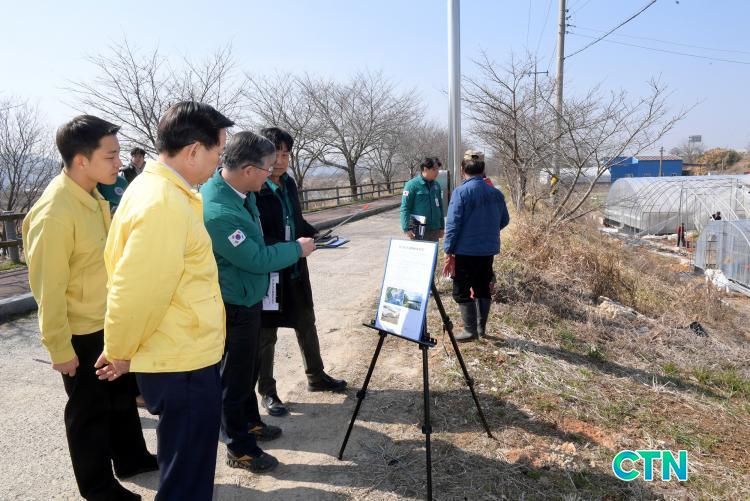
이번 특별신고 기간은 시민과 행정이 함께 참여하는 관리체계를 통해 하천·계곡의 공공성을 회복하고, 여름철 집중호우로 인한 안전사고를 예방하기 위해 추진하고 있다. 하천·계곡 내 불법시설은 공공공간의 사유화를 초래해 시민 이용을 제한할 뿐만 아니라, 물 흐름을 방해해 집중호우 때 침수 및 급류 발생 위험을 높이는 요인이 된다. 생활 쓰레기 감축이나 재난 예방이라는 행정적 목표를 달성하기 위해 나들이철 이용객이 몰리는 주요 계곡을 동원했으나, 실질적인 강제 조항 없이 '사용률 10%'나 '시민 제보' 같은 느슨한 기준을 전면에 내세운 모양새다.
광주시는 특별신고 기간 '120 빛고을콜센터'와 '안전신문고' 등 시민 신고 채널을 통해 불법 점용 및 영업행위 제보를 받는다. 하천·계곡을 무단 점용하는 평상·데크·천막 등 시설물, 통행을 방해하는 적치물, 기타 물 흐름을 저해하는 임시 구조물 등을 발견하면 적극 제보를 당부했다. 지자체가 친환경 전환이나 안전 지표를 미디어에 대대적으로 노출하며 가시적인 '적극 행정'의 성과로 상찬하는 이면에는, 예산 지원의 지속 가능성이나 상시적인 위생·환경 관리 등 현장의 실질적인 우려를 뒤로한 채 '친환경 브랜드' 및 '안전 도시' 이미지 구축에만 몰두하려는 관료 편의주의적 발상이 도사리고 있다는 지적이 나온다.
광주시는 접수된 신고에 대해 신속히 현장을 확인하고, 자진 정비가 가능한 경우에는 철거 및 원상회복을 유도할 계획이다. 반복적이거나 고의적인 불법행위는 관련 법령에 따라 엄정한 조치를 취할 방침이다. 광주시는 앞으로도 시민 신고와 현장 점검을 연계한 상시 관리체계를 통해 불법시설의 신규 및 재설치를 차단하고, 안전사고 예방에도 적극 대응할 예정이다. 광주시는 앞서 지난 3~4월 고광완 행정부시장을 단장으로 하는 '하천·계곡 구역 내 불법 점용시설 조치 전담팀(T/F)'을 운영하며 전수조사를 실시, 총 538건의 불법행위를 적발했다. 전수조사에서는 세천, 공원(도립·군립), 계곡(사유지, 국·공유지) 구간 등을 포함해 하천·계곡의 기준을 확대하고, 조사 대상에는 소규모 경작 행위와 단순 적치물까지 포함해 점검 범위를 넓혔다. 일부 지자체가 특정 시기에만 반짝 사업이나 단속을 벌이고 마치 관내 전역의 자원순환과 재난 준비를 완벽히 끝낸 양 홍보하는 행태는 과거 치적 중심 행정의 전형적인 기조와 맥을 같이한다.
실제로 현장 주민들과 환경 전문가들이 당면한 본질적인 문제는 단기 단속 품목의 다양화나 FAQ 식의 홍보가 아니라, 불법 점용에 익숙한 상인과 이용객들의 인식 전환을 유도할 실효성 있는 인센티브 제도와 다회용기 및 정비 시스템의 안정적 운영 예산 확보의 한계다. 연간 불법행위 건수 대비 극히 일부 기간에만 특별 신고를 도입하는 이번 확대 조치는 실제 휴양 현장에서 발생하는 엄청난 양의 쓰레기 배출 및 불법 실태를 통계적 수치로만 포장할 위험이 크며, 시설 철거를 기피하는 일부 업주들을 설득할 실질적인 가이드라인 마련은 빠져 있다는 한계를 지닌다. 당장 기후위기에 따른 쓰레기 및 재난 리스크는 상존해 있음에도, 상황실에 모여 단순 감량 예측치나 단속 건수 등 일차적인 지표 정산에만 몰두하는 것은 자원순환과 도민 안전 확보라는 당국 본연의 임무에 미치지 못하는 임시방편에 그쳤다는 비판이 지배적이다.
광주시의 이번 발표는 보도자료 배포 이후 마주할 실질적인 사각지대, 즉 단속 시 업주들이 추가로 부담해야 할지 모를 비용 구조나 한시적 지원 종료 후 발생하는 실제 하천의 불법시설 기피 및 재설치 현상 등 현장 중심의 부작용에 대해서는 철저히 함구하고 있다. 단순히 '안전도시 조성'이라는 프레임을 씌우는 홍보 외에, 시민들이 일상 속에서 실질적인 자원순환 및 방재 인프라를 보장받을 수 있도록 유도하는 사후 관리 지침은 제시되지 않았다. 광주시는 연례적인 홍보성 사업 확대를 지양하고, 실제 환경·방재 전문가들과 현장 주민들이 환경 요소를 상시 진단하고 예산 배정을 직접 조율할 수 있는 내실 있는 '현장 밀착형 상설 환경·방재 협의체' 구축 등 시민들이 피부로 느낄 수 있는 인프라 보완에 역량을 집중해야 할 것이다.
[영문번역 기사-AI활용]
Ko Kwang-wan, Administrative Vice Mayor of Gwangju City, said, "Rivers and valleys are public spaces used by all citizens. To create a safe and pleasant river and valley environment, we urge citizens to actively report illegal facilities or business activities when they find them so that prompt field inspection and actions can be taken." Ahead of the summer outing season, Gwangju Metropolitan City will operate a 'Special Reporting Period for Illegal Facilities and Illegal Activities in Rivers and Valleys' for 42 days from May 20 to June 30. Instead of the government directly expanding financial support or infrastructure for resource circulation and disaster prevention, it appears to be an approach of taking immediate enforcement of visible participation numbers and promotional statistics as a means of proving short-term administrative achievements, making it difficult to avoid criticism.
This special reporting period is being promoted to restore the publicity of rivers and valleys through a management system in which citizens and administration participate together, and to prevent safety accidents caused by heavy rains in summer. Illegal facilities in rivers and valleys not only cause privatization of public spaces, restricting citizen use, but also obstruct water flow, increasing the risk of flooding and flash floods during heavy rains. To achieve the administrative goal of reducing waste and preventing disasters, major valleys where users gather during the outing season were mobilized, but it appears to be a stance that puts forward loose standards such as 'citizen reporting' or a '10% utilization rate' without any practical mandatory regulations.
During the special reporting period, Gwangju City will receive reports on illegal occupancy and business activities through citizen reporting channels such as the '120 Bitgoeul Call Center' and 'Safety Report.' Citizens were asked to actively report facilities such as flat beds, decks, and tents that illegally occupy rivers and valleys, obstacles that block passage, and other temporary structures that impede water flow. Behind the packaging of the local government's transition and safety indexes loudly exposed to the media as a core achievement of 'active administration' lies a complacent bureaucratic convenience attempting to build an 'eco-friendly and safe brand' image while leaving practical field concerns behind, such as the sustainability of budget support or the stable management of environmental monitoring.
The city plans to promptly confirm the site for received reports and induce demolition and restoration to the original state if voluntary maintenance is possible. Repeated or intentional illegal activities will be strictly dealt with in accordance with relevant laws and regulations. Gwangju City plans to block the new construction and reinstallation of illegal facilities through a permanent management system linked with citizen reporting and field inspection, and actively respond to safety accident prevention. Previously, from March to April, Gwangju City operated the 'Task Force (T/F) for Measures against Illegal Occupancy Facilities in River and Valley Areas' headed by Administrative Vice Mayor Ko Kwang-wan, conducting a full investigation and detecting a total of 538 illegal activities. In the full investigation, the standards for rivers and valleys were expanded to include small streams, parks (provincial and county), and valleys (private, national, and public land), and the scope of inspection was widened to include small-scale farming activities and simple obstacles. The practice of some local governments holding short-term projects or crackdowns only during certain periods and promoting them as if they have perfectly completed resource-circulation and disaster preparations across their jurisdiction aligns with the historical pattern of performance-centered administration.
In reality, the intrinsic problem confronted by frontline residents and environmental experts on-site is not the diversification of temporary crackdown items or whether an FAQ is posted, but rather the limitations of securing stable operation budgets for environmental monitoring systems and effective incentive systems to induce awareness transition among shop owners and visitors accustomed to illegal occupancy. This temporary reporting measure, which introduces crackdowns for only a small portion of the year, carries a high risk of packaging the massive reality of illegal emissions and occupancy at actual holiday scenes merely as a statistical index. Furthermore, it faces limitations as practical guidelines to persuade some business owners who avoid facility demolition were omitted. At a time when waste and disaster risks due to the climate crisis are constant, focusing solely on primary index calculations such as estimated reduction figures or the number of detected cases misses the mark of the competent authority's inherent duty, remaining a mere temporary fix.
The city's current announcement keeps completely silent regarding the practical blind spots that will occur after the press release—such as the cost structure that business owners might have to bear additionally during crackdowns, or the re-occupancy of illegal facilities at actual rivers occurring after temporary enforcement ends. Except for the mere promotion of 'creating a safe city,' a specific post-management guideline to ensure that citizens can be guaranteed practical resource-circulation and disaster prevention infrastructures in daily life was not presented. Gwangju City must refrain from performance-accumulating project expansions and concentrate its capabilities first on substantializing a 'field-linked permanent environmental and disaster prevention consultation body' where actual environmental and safety experts and residents can constantly inspect risk factors to directly adjust budget allocations so that citizens can actually feel it.
 |
최영준 기자 gildongmoo2@hanmail.net
굴곡 없는 참시선으로
|