2026.05.28(목) 13:45
 교육타임즈 지면신문









|
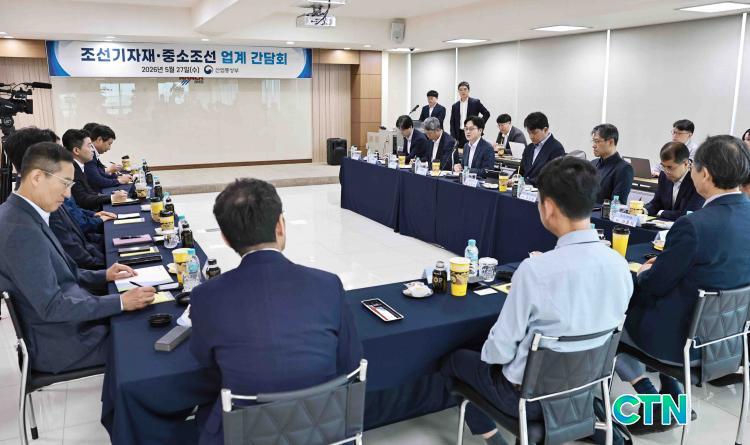
정부는 자율운항 M.AX 얼라이언스를 중심으로 약 5천억 원을 투입해 핵심 기자재를 개발하고 국제표준까지 연계하겠다는 첫 번째 대책을 내놓았다. 그러나 이 대규모 투자는 정작 당장 오늘 하루의 경영난을 버텨야 하는 영세 업체들에게는 먼 나라 이야기일 뿐이다. 정부는 지난 5.13 "K-조선 미래비전 간담회"의 연장선이라며 실질적 지원을 약속했지만, 기술개발의 혜택이 대기업과 일부 앵커기업에만 집중되는 해묵은 구조적 모순을 해결할 구체적인 상생 방안은 단 한 줄도 제시하지 못했다.
두 번째 방향으로 제시한 해외 진출 및 RG(선수금 환급보증) 지원 역시 실속 없는 '치적 숟가락 얹기'라는 비판이 거세다. 산업부는 정부 출범 1주년 성과인 한미 관세협상(MASGA 프로젝트)을 앞세워 함정 MRO와 미국 진출에 각각 50억 원과 77억 원을 투입하겠다고 생색을 냈다. 하지만 정작 중소조선사들이 선박을 수주하고도 보증을 받지 못해 도출산 위기에 직면한 'RG 발급난'에 대해서는 "관계부처·금융기관과 확대 방안을 마련하겠다"는 원론적인 답변만 되풀이했다. 시급한 현장 금융 고통에는 눈을 감은 채, 최근 인도, 베트남 등 해외 수요 증가라는 외부 호재를 마치 정부의 성과인 양 포장하는 데 급급한 모양새다.
마지막으로 내세운 조선-해운 상생발전 전략협의회를 통한 국산 기자재 탑재 촉진과 공공발주 방안 역시 알맹이가 빠져 있기는 마찬가지다. 대형 해운사들이 비용 절감을 이유로 외산 기자재를 선호하는 시장 현실을 바꿀 강제성 있는 인센티브나 규제 조치는 쏙 빠진 채, 단순히 '협업 고리를 단단히 하겠다'는 구두 선언에 그쳤기 때문이다. 특히 조선산업 사이클 하강에 대비한 공공발주 예산 편성은 또다시 '구체화해 나갈 방침'이라는 미완의 과제로 남겨두어, 위기 대응의 골든타임을 놓칠 수 있다는 현장의 우려를 심화시키고 있다.
결국 이번 산업부 장관의 부산 현장 방문은 대대적인 언론 홍보를 통해 정부의 적극 행정 지표를 채우기 위한 포석에 지나지 않는다. 보여주기식 특별 점검과 한시적인 간담회로 생색을 내는 관료 편의주의적 행태를 멈추지 않는 한, K-조선의 진짜 뿌리인 중소 기자재·조선사들의 연쇄 도산 위기를 막아내기란 불가능할 것이다.
[영문번역 기사-AI활용]
Kim Jung-gwan, Minister of Trade, Industry and Energy, said, "Shipbuilding equipment and small and medium-sized shipbuilding are the roots of the K-shipbuilding supply chain and, furthermore, the core industries of our maritime security. We will quickly take care of necessary matters in the field, such as equipment verification, super-gap technology development, and securing work for small and medium-sized shipbuilding." However, critics point out that the minister's visit to Halla IMS in Gangseo-gu, Busan, and the subsequent briefing, were nothing more than a typical 'field show' full of grandiose slogans about the AI autonomous ship era, while ignoring the immediate tasks of small equipment companies on the verge of bankruptcy.
The government put forward its first measure to invest about 500 billion won centered on the autonomous navigation M.AX Alliance to develop core equipment and link it to international standards. However, this large-scale investment is just a story of a distant country for small and micro-businesses that have to survive today's financial difficulties. The government promised practical support, claiming it was an extension of the "K-Shipbuilding Future Vision Briefing" held on May 13, but failed to present a single concrete win-win solution to resolve the deep-rooted structural contradiction where the benefits of technology development are concentrated only on large companies and a few anchor companies.
The overseas expansion and Refund Guarantee (RG) support presented as the second direction are also heavily criticized as a hollow 'performance spoon-feeding.' The Ministry of Trade, Industry and Energy boasted about investing 5 billion won and 7.7 billion won respectively into naval vessel MRO and US expansion, highlighting the conclusion of the Korea-US customs negotiations (MASGA Project), which is an achievement of the government's first anniversary. However, regarding the 'RG issuance crisis,' where small and medium shipbuilders face bankruptcy risks because they cannot receive guarantees even after winning ship orders, the ministry only repeated the principled answer that it would "prepare expansion measures with related ministries and financial institutions." It seems eager to package the recent increase in overseas demand from India and Vietnam as a government achievement while turning a blind eye to urgent financial pain on-site.
The last measures put forward, promoting the installation of domestic equipment through the Shipbuilding-Shipping Coexistence Development Strategic Council and public procurement plans, are equally lacking in substance. This is because mandatory incentives or regulatory measures to change the market reality, where large shipping companies prefer foreign equipment for cost reduction, were completely left out, remaining a mere verbal declaration to 'strengthen the collaboration link.' In particular, the allocation of public procurement budgets to prepare for the downturn in the shipbuilding industry cycle was once again left as an incomplete task to be 'materialized in the future,' deepening concerns in the field that the golden time for crisis response could be missed.
In the end, the Minister of Industry's visit to the Busan site is nothing more than a move to fill the government's active administration index through massive media promotion. Unless they stop the bureaucratic convenience of showing off with special inspections and temporary briefings, it will be impossible to prevent the chain-reaction bankruptcy crisis of small and medium equipment and shipbuilding companies, which are the true roots of K-shipbuilding.
 |
가요진 기자 gyj1119@naver.com
|