2026.06.15(월) 14:34
 교육타임즈 지면신문









|
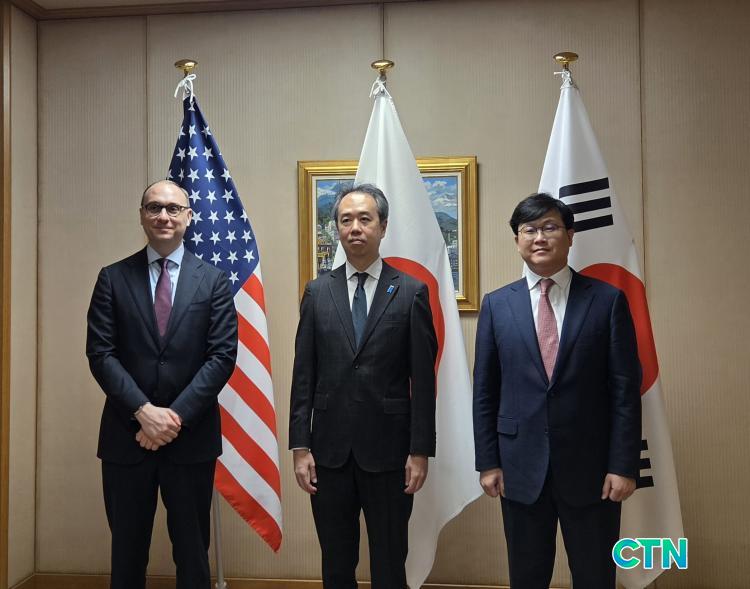
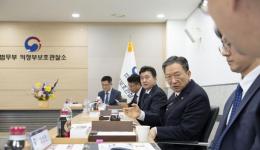
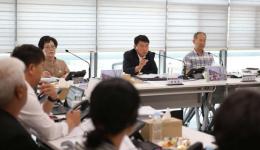
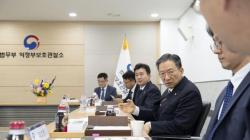
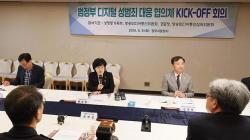
이번 이사회에는 이원우 북미국장을 비롯해 데이비드 와일레졸 미 국무부 한일 동아태 부차관보, 오쓰카 겐고 일본 외무성 아시아대양주국 심의관 등 3국의 외교 안보 핵심 실무 라인이 대거 참석했다. 참석자들은 전통적인 안보 영역은 물론 경제 안보, 첨단기술 공급망 등 다변화된 분야에서 진행 중인 협력 사업들의 이행 현황을 종합적으로 점검했다. 특히 정권 교체나 정치적 변수와 관계없이 3국 협력 체계를 제도화하기 위한 핵심 기구인 '사무국'의 운영 방안을 구체화하는 한편, 각국 국민들이 일상에서 체감할 수 있는 가시적인 외교 성과를 도출하기 위한 후속 로드맵을 논의했다. 아울러 같은 날 북한의 군사적 도발에 대응하기 위한 별도의 한미일 협의도 전개되어, 최근 한반도 정세에 대한 평가를 공유하고 완전한 비핵화 목표 및 유엔 안보리 결의 이행 노력을 재확인했다. 우리 측은 남북 간 긴장 완화와 신뢰 구축을 위한 외교적 노력을 설명했으며, 3국은 한반도의 평화·안정을 수호하기 위한 공조 방안을 다각도로 모색했다.
미·중 패권 경쟁과 북·러 밀착 등 다극화된 안보 위기 속에서 한미일 3국이 협력의 수위를 단순한 공동 선언 수준에 멈추지 않고, '사무국 운영이사회'라는 상설 실무 기구를 도쿄에서 공식 가동한 점은 외교적 연속성을 확보했다는 점에서 괄목할 만한 성과로 평가된다. 특히 안보 동맹을 넘어 첨단기술과 경제 안보 전반을 아우르는 포괄적 이행 현황을 점검하고, '국민 체감형 성과'라는 구체적인 가이드라인을 제시한 대목은 외교적 실리주의를 극대화하려는 정무적 안목이 돋보인다.
그러나 이러한 한미일 사무국 제도의 정착 노력이 외교적 수사(Rhetoric)와 관료주의적 회의체 양산에 그치지 않기 위해서는, 북한의 미사일 도발이나 공급망 교란 등 유사시 실시간으로 작동할 수 있는 '위기대응 사후 매뉴얼(Post-Manual)'을 얼마나 촘촘하게 완비하느냐에 달려 있다는 우려가 제기된다. 3국이 완전한 비핵화와 안보리 결의 이행이라는 원론적인 입장만 매번 되풀이할 뿐, 정작 동북아 정세가 급변할 때 각국의 정치적 이해관계로 인해 신속한 공동 전선을 펴지 못한다면 사무국이라는 인프라는 무용지물이 되기 십상이기 때문이다. 한국 외교부는 도쿄 회의 이후에도 미국·일본의 실무진을 상시 연결하는 디지털 보안 핫라인을 구축하고, 대북 제재 이행의 사각지대를 메울 실질적인 후속 조치를 주도해야 한다. 나아가 한미일 밀착이 초래할 수 있는 한중 관계의 과도한 냉각을 관리할 사후 정무 행정까지 균형 있게 보완해야만, 역내 평화 안정이라는 국익을 완벽하게 수호할 수 있을 것이다.
[영문번역 기사-AI활용]
Lee Won-woo, Director-General for North American Affairs of the Ministry of Foreign Affairs, who charges the practical axis of the ROK-US-Japan trilateral alliance, held serial meetings with high-ranking officials of the Japanese Ministry of Foreign Affairs separate from the closely-watched meeting, and exchanged in-depth opinions on various current issues including the ROK-US and US-Japan alliances. The Ministry of Foreign Affairs announced that it held the 'ROK-US-Japan Secretariat Steering Committee' in Tokyo on June 12 in cooperation with the US Department of State and the Japanese Ministry of Foreign Affairs to secure close policy coordination and execution power among the three nations amid the rapidly changing global security landscape.
The steering committee was attended by core diplomatic security practical lines of the three nations, including Director-General Lee Won-woo, David Wilezol, Deputy Assistant Secretary for Japan and Korea at the US Department of State, and Otsuka Kengo, Deputy Director-General of the Asian and Oceanian Affairs Bureau at the Japanese Ministry of Foreign Affairs. Participants comprehensively reviewed the implementation status of ongoing cooperative projects not only in traditional security sectors but also in diversified fields such as economic security and advanced technology supply chains. In particular, they materialized the operation plans of the 'Secretariat,' a core organ to institutionalize the trilateral cooperative system regardless of regime shifts or political variables, while discussing concrete roadmaps to derive visible diplomatic achievements that citizens of each country can perceive in daily lives. Concurrently, a separate ROK-US-Japan consultation was deployed on the same day to respond to North Korea's military provocations, sharing assessments on the recent Korean Peninsula situation and reaffirming the goal of complete denuclearization and efforts to implement UN Security Council resolutions. The South Korean side explained its diplomatic efforts to ease inter-Korean tensions and build trust, and the three nations exchanged opinions on cooperative methods to protect the peace and stability of the Korean Peninsula.
Amid multifold security crises such as US-China hegemony competitions and North Korea-Russia alignment, the move where the ROK-US-Japan trilateral alliance did not stop its cooperation level at simple joint declarations but officially operated a permanent practical organ called the 'Secretariat Steering Committee' in Tokyo is evaluated as a remarkable achievement in terms of securing diplomatic continuity. In particular, reviewing comprehensive implementation status encompassing advanced technologies and overall economic security beyond security alliances, and presenting a concrete guideline of 'citizen-perceived achievements,' highlights diplomatic pragmatism.
However, critics point out that for these efforts to settle the ROK-US-Japan secretariat system to avoid ending up as simple diplomatic rhetoric and proliferation of bureaucratic meetings, it depends on how meticulously they complete a 'crisis response post-manual' capable of operating in real-time during emergencies such as North Korean missile provocations or supply chain disruptions. This is because if the three nations merely repeat theoretical stances of complete denuclearization and implementation of Security Council resolutions every time, but fail to unfold rapid joint fronts due to each nation's political interests when Northeast Asian situations shift rapidly, the secretariat infrastructure can easily become useless. The South Korean Ministry of Foreign Affairs must build a digital security hotline constantly connecting practical staffs of the US and Japan even after the Tokyo meeting, and lead substantial follow-up measures to fill the blind spots of sanctions against North Korea. Furthermore, only when post-political administrations capable of managing excessive cooling of ROK-China relations that ROK-US-Japan alignment may cause are balanced will it be able to perfectly protect national interests of regional peace and stability.
 |
가요진 기자 gyj1119@naver.com
|