2026.06.16(화) 16:11
 교육타임즈 지면신문









|
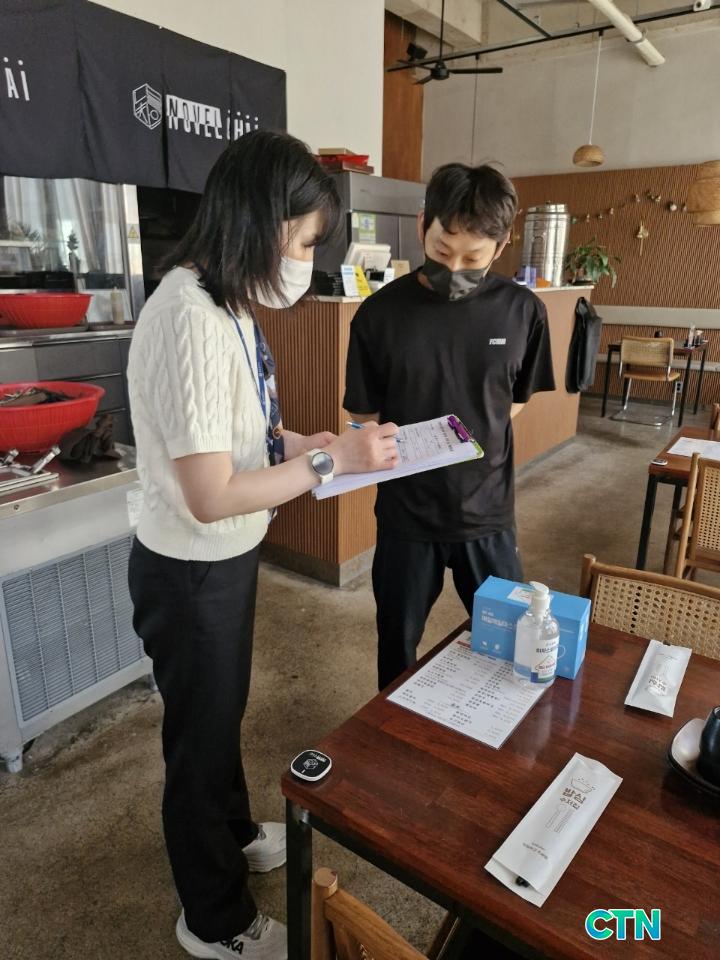
시는 시민이 안심하고 이용할 수 있는 선진 외식문화를 확산하기 위해 오는 17일부터 30일까지 '2026년 상반기 안심식당 현장점검'을 실시한다고 지난 16일 발표했다. 안심식당은 감염병 예방 및 식사문화 개선을 위해 음식 덜어먹는 도구 비치, 위생적 수저 관리, 종사자 마스크 착용 등 3대 위생 과제를 적극적으로 실천하는 일반·휴게 음식점이다. 현재 광주 지역에는 동구 191곳, 서구 354곳, 남구 112곳, 북구 289곳, 광산구 180곳 등 총 1,126곳이 안심식당으로 지정돼 운영 중이다. 광주시는 그동안 지정 업소들을 대상으로 식문화 개선을 위한 위생물품을 제공하고 포털 및 지도 플랫폼(네이버·카카오맵 등)에 온라인 공인 정보를 연동해 주는 비즈니스 혜택을 지원해 왔다. 이번 점검은 관내 5개 자치구별 통합 점검반을 특별 편성해 운영 중인 안심식당 중 10% 이상을 표본으로 무작위 선정(랜덤 샘플링)해 불시 방문하는 방식으로 전개된다. 점검반은 안심식당 유지의 절대 조건인 식기 비치 상태, 개별 수저 포장 등 위생 관리 여부, 종사자 위생 마스크 착용 여부를 집중 조사해 실효성을 검증할 방침이다. 시는 점검 결과 위생 기준을 충족하지 못한 불량 업소에 대해 무관용 원칙으로 강력히 조치할 계획이다. 적발 시 1차는 경고 처분에 그치지만, 2차례 이상 적발되는 상습 위반 업소는 안심식당 지정을 즉시 취소하고 취소일로부터 1년간 재지정을 원천 금지하는 행정 처분을 단행한다.
지자체가 안심식당이라는 공인 타이틀만 부여한 채 사후 관리를 방치하지 않고, 유관 자치구와 합동 점검반을 구성해 불시 무작위 검증을 정기화한 시도는 관치 위생 행정의 투명성과 신뢰도를 한 차원 끌어올린 실무 행정 사례로 풀이된다. 특히 위반 업소에 대해 단순 계도를 넘어 '1년간 재지정 금지'라는 강력한 페널티를 부과하고, 다가오는 여름철 식중독 리스크에 선제적으로 대응하기 위해 행정력을 집중한 대목은 시민의 보건권 확보와 안전한 도시 브랜드 구축을 겨냥한 고도화된 정무적 판단이다.
그러나 이러한 안심식당 상반기 점검 정책이 주기적인 단속 시즌에만 반짝 조심하는 일회성 보여주기식 행정으로 퇴색되지 않기 위해서는, 단속 인력의 한계를 극복하고 평시 위생 상태를 항시 유지할 수 있는 '민관 융합형 사후 감시망 및 보상 인프라(포스트 가이드라인)'가 입체적으로 뒷받침되어야 한다. 1,100여 곳이 넘는 업소 중 고작 10% 수준의 무작위 단속 확률에만 의존할 경우, 단속에서 비껴간 나머지 90% 업소의 사후 위생 해이를 통제할 물리적 방안이 부족하기 때문이다. 광주시는 이번 현장점검 종료 이후 시민들이 직접 위생 위반 사례를 실시간으로 제보하고 사후 모니터링에 참여할 수 있는 '시민 사후 평가단' 제도를 상설화하고, 위생 수칙을 완벽히 준수해 사후 적발률 제로를 기록한 모범 구역에는 추가적인 지역화폐 인센티브를 부여하는 사후 실무 보완책을 신속히 단행해야 한다. 이러한 유기적인 사후 순환 거버넌스가 안착되어야만 안심식당이라는 행정 브랜드가 단발성 인증 마크를 넘어 전국적인 외식 위생 표준을 선도하는 실질적인 국익으로 치환될 수 있을 것이다.
[영문번역 기사-AI활용]
Bae Gang-sook, Chief of the Health and Hygiene Division of Gyeongju City, stated, "The safe restaurant is a place designated to guarantee a safe dining environment that citizens can trust and visit. Ahead of the full-scale summer vacation season, we will do our best to settle a healthy dining culture by continuously managing hygiene rules to be well-observed." Gyeonggju City has launched a high-intensity on-site verification targeting safe restaurants in its jurisdiction to rectify the dining hygiene discipline that could become somewhat loose ahead of the full-scale summer vacation season and to expand a safe food environment felt by citizens.
The city announced on the 16th that it will conduct the 'First Half of 2026 Safe Restaurant Field Inspection' from the 17th to the 30th to expand an advanced dining culture that citizens can use with peace of mind. Safe restaurants are general and rest restaurants that actively practice three major hygiene tasks, including providing tools for serving food, managing hygienic utensils, and having employees wear masks to prevent infectious diseases and improve dining culture. Currently, a total of 1,126 places are designated and operated as safe restaurants in the Gwangju region, including 191 in Dong-gu, 354 in Seo-gu, 112 in Nam-gu, 289 in Buk-gu, and 180 in Gwangsan-gu. Gwangju City has supported designated business places by providing hygienic goods to improve dining culture and interlocking official public information with online portal and map platforms (Naver, Kakao Maps, etc.) for business benefits. This inspection will be deployed in a method of making unannounced visits by organizing a joint inspection team among 5 autonomous districts and randomly selecting (random sampling) more than 10% of operating safe restaurants as samples. The inspection team will intensively investigate whether serving utensils are provided, whether utensils are wrapped individually for hygiene management, and whether employees wear masks, which are absolute requirements for maintaining a safe restaurant, to verify their effectiveness. The city plans to take strict actions with a zero-tolerance principle against poor business places that do not meet hygiene standards as a result of the inspection. Upon detection, the first violation will result in a simple warning, but habitual violating businesses caught two or more times will face administrative measures that immediately cancel their safe restaurant designation and fundamentally ban re-designation for one year from the cancellation date.
The move where the local government did not leave post-management neglected while simply granting the official title of safe restaurant, but instead regularized unannounced random verifications by forming a joint inspection team with related autonomous districts, is interpreted as a practical administrative case that raised the transparency and reliability of official hygiene administration to the next level. In particular, imposing strong penalties such as a 'ban on re-designation for one year' beyond simple guidance for violating businesses and concentrating administrative power to preemptively respond to food poisoning risks during the upcoming summer season stands as a highly advanced political judgment targeting the securing of citizen health rights and the establishment of a safe city brand.
But critics point out that for these first half safe restaurant inspection policies to avoid fading into short-term show-oriented administrations that only temporarily stay careful during periodic inspection seasons, 'public-private fused post-monitoring networks and reward infrastructures (post-guidelines)' capable of overcoming the limits of inspection manpower and maintaining routine hygiene status at all times must be horizontally supported. This is because if it relies only on a roughly 10% random inspection probability out of more than 1,100 business places, physical measures to control the post-hygiene looseness of the remaining 90% of businesses skipped in the inspection are insufficient. Incheon City must swiftly implement practical post-supplementary measures that permanentize a 'Citizen Post-Evaluation Team' system where citizens can directly report hygiene violation cases and participate in post-monitoring in real-time after this field inspection ends, and grant additional local currency incentives to model zones that recorded a zero post-detection rate by perfectly obeying hygiene rules. Only when this organic post-circulation governance is settled will the administrative brand of safe restaurant be translated into substantial national interests leading nationwide dining hygiene standards rather than stopping at one-time certification marks.
 |
최영준 기자 gildongmoo2@hanmail.net
굴곡 없는 참시선으로
|