2026.06.02(화) 01:21
 교육타임즈 지면신문









|
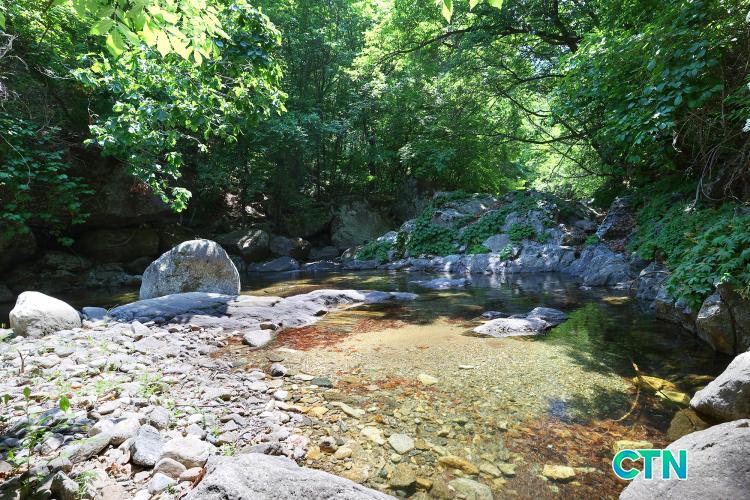
가장 심각한 맹점은 도립공원 일대의 안전 상태가 피서객을 맞이하기에 턱없이 불안정함에도 무리하게 대책을 발표하며 실적 쌓기에 급급하다는 점이다. 도 스스로도 인정했듯 지난해 7월 발생한 수해 복구 공사가 올해 7월 말까지 예정되어 있어 현재 정상적인 탐방로 이용이 전면 제한된 상태다. 집중호우로 계곡 지형이 통째로 바뀌어 수중 암반이나 급류 등 눈에 보이지 않는 위험 요인이 도처에 널려 있음에도, 도가 내놓은 대책은 고작 수심 깊은 곳에 나무 울타리를 치고 안전요원 10명을 배치하는 미봉책에 불과하다. 현장의 구조적 위험성을 방치한 채 '이용객의 주의'와 '진입 차단'만을 앵무새처럼 반복하는 것은 행정 편의주의의 전형이다.
또한 경기도가 내세운 대책의 상당 부분이 안전 예방보다는 피서객을 잠재적 범죄자로 취급하는 '단속과 과태료 부과'에 치중되어 있다는 점도 문제다. 도는 단속 특별 용역 6명을 고용해 계곡 내 캠핑, 차박, 취사 행위는 물론 주정차 위반까지 무관용 원칙으로 과태료를 물리겠다고 공포했다. 쾌적한 공원 환경 유치라는 명분은 그럴싸하지만, 이는 밀려드는 피서객을 감당할 만한 정식 캠핑 구역이나 주차 공간 등 합법적 인프라를 확충하려는 노력은 피한 채 규제라는 손쉬운 칼날만 휘두르는 꼴이다. 주말과 공휴일에 전 직원을 현장에 투입하겠다는 계획 역시 보여주기식 과잉 행정으로 도청 공무원들의 행정력 낭비만 초래할 뿐이다.
결국 경기도의 이번 용추계곡 안전 대책은 알맹이가 빠진 성과주의 전시 행정의 결과물이다. 겉으로는 '인명사고 제로화'라는 거창한 구호를 외치고 있으나, 복구 공사 현장 주변의 실질적인 안전 펜스 보강이나 디지털 수심 측정기 설치 같은 과학적 방재 시스템 도입은 찾아볼 수 없다. 도는 생색내기용 순찰 강화나 과태료 폭탄 위주의 압박 행정을 당장 중단해야 한다. 대신 가평소방서와의 형식적인 심폐소생술 교육을 넘어선 상시 구급 구조 체계를 확립하고, 수해 복구 공사를 조속히 완료하여 계곡의 근본적인 안전성을 확보하는 데 모든 예산과 행정력을 집중해야 마땅하다.
[영문번역 기사-AI활용]
Lee Tae-seon, head of the Garden Industry Division of Gyeonggi Province, emphasized, "Due to the flood damage last year, the valley terrain has changed, so there are many underwater risk factors. We hope you will actively participate in the control of safety personnel, and we will take strict measures against illegal cooking or car camping that damage the park environment and threaten safety." This is the province's stance on the so-called 'Summer Waterfront Accident Zero Special Measures' that Gyeonggi Province confidently declared to secure the safety of vacationers visiting Yongchu Valley in Yeoninsan Provincial Park in Gapyeong. However, the reality is that the entire park is a dangerous construction site because even the recovery from the flood damage suffered last year has not been completed, and criticism is intensifying that it is a typical 'showy administration' to prevent accidents with only a few fences and enforcement personnel without fundamental safety infrastructure improvement.
The most serious blind spot is that the safety condition of the provincial park area is too unstable to welcome vacationers, yet it is eager to build performance by unreasonably announcing measures. As the province itself admitted, the recovery work for the flood damage that occurred in July last year is scheduled until the end of July this year, so normal use of all trails is currently entirely restricted. Even though risk factors such as underwater rocks or rapid currents that are invisible to the naked eye are scattered everywhere because the valley terrain changed entirely due to torrential rains, the measures put forward by the province are merely temporary fixes, such as putting wooden fences in deep water and deploying 10 safety personnel. Repeating like a parrot only 'users' caution' and 'blocking entry' while neglecting the structural dangers of the site is the epitome of administrative convenience.
In addition, it is also problematic that a significant portion of the measures put forward by Gyeonggi Province focuses on 'crackdowns and fines' that treat vacationers as potential criminals rather than safety prevention. The province announced that it would hire six special enforcement contractors to fine illegal camping, car camping, and cooking in the valley, as well as parking violations, under a zero-tolerance principle. The pretext of maintaining a pleasant park environment is plausible, but this is like wielding only the easy blade of regulation while avoiding efforts to expand legal infrastructure such as regular camping areas or parking spaces that can handle the influx of vacationers. The plan to deploy all employees to the field on weekends and holidays is also a showy excessive administration that only causes a waste of administrative power of provincial public officials.
In the end, this safety measure for Yongchu Valley by Gyeonggi Province is the product of a hollow, performance-oriented exhibition administration. On the surface, it shouts a grandiose slogan of 'zero casualties,' but practical safety fence reinforcement around the recovery construction site or the introduction of a scientific disaster prevention system such as digital water depth gauges cannot be found. The province must immediately stop showy patrol reinforcement or pressure administration centered on fine bombs. Instead, it should establish a constant emergency rescue system that goes beyond formal CPR training with the Gapyeong Fire Station, and concentrate all budget and administrative power on ensuring the fundamental safety of the valley by completing the flood recovery work as soon as possible.
 |
김지우 기자 ymjs790729@naver.com
김지우 기자 입니다.
|