2026.05.18(월) 20:15
 교육타임즈 지면신문









|

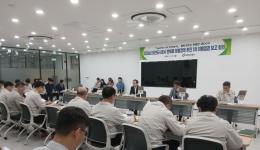
이번 협약은 과기정통부가 확보한 정부 GPU 자원 1만 장 중 무려 3천 장가량을 배분받는 「국가 AI 프로젝트」의 핵심 사업으로 지정되면서 탄력을 받게 되었다. 양 기관은 올해 2분기 중 SKT의 거대 AI 파운데이션 모델을 군 내부의 제한된 하드웨어 환경에서도 원활히 구동할 수 있도록 만드는 '경량화(sLLM) 모델' 개발에 착수한다. 장기적으로는 보안성이 담보된 국방 공개데이터와 내부 군사 데이터를 추가 학습시켜 지휘 통제, 군수 지원, 정보 분석 등 국방 전반의 효율성을 극대화하겠다는 청사진을 내걸었다.
정부 부처가 독자적인 첨단 인프라를 구축하는 동시에 민간의 숙련된 기술력을 결합해 국가 안보와 산업 생태계를 동시에 키우려는 시도는, 중소벤처기업부가 '온라인 수출 3억 달러'라는 역대급 돌파구를 마련하기 위해 내수 중소기업들을 글로벌 플랫폼과 연계하고 마케팅을 총력 지원했던 전방위 행정과 맥을 같이한다. 인천광역시가 기초지자체까지 예산을 매칭 지원하며 '청소년참여위원회'를 가동해 미래 세대의 목소리를 행정 중심으로 끌어올렸듯, 과기정통부와 국방부 역시 최동원 인공지능인프라정책관의 공언대로 정부의 대규모 GPU 자원과 민간의 R&D 역량을 결집해 'K-AI 경쟁력'이라는 초광역 단위의 거버넌스를 구축한 모범 사례로 볼 수 있다.
그러나 국가 안보의 최전선인 국방 분야가 민간 특정 대기업의 독자 모델에 기술적으로 종속될 수 있다는 우려를 지우기 어렵다. 광주광역시가 도심 전체를 AI 실험실로 만들겠다며 3천 개가 넘는 '실증장소'를 상시 개방했으나, 정작 알맹이 있는 예산 지원이나 기술 보안책이 부족해 '공간 대여업'에 그치고 있다는 비판을 받는 것과 비슷한 맥락이다. 국방부 역시 SKT가 보유한 기술력과 'Industrial AI' 본부의 인프라에 전적으로 의존하는 구조를 취하고 있어, 향후 모델의 유지보수나 업그레이드 과정에서 민간 기업에 주도권을 빼앗길 위험이 다분하다. 군사 데이터의 특수성과 고도의 기밀성이 요구되는 상황에서 민간 파운데이션 모델을 기반으로 삼는 스텝이 과연 완벽한 데이터 주권을 보장할 수 있을지 의문이다.
더욱이 대구광역시가 단 50명의 청년을 대상으로 '우수기업 탐방'을 진행하며 정작 지역 청년들의 근본적인 고용 구조 개선에는 눈을 감았던 이벤트성 행정처럼, 이번 국방 AI 프로젝트 역시 '정부 GPU 3천 장 지원'과 '대기업 협업'이라는 화려한 수사 뒤에 정작 군 내부 AI 전문 인력 양성이라는 본질적 과제는 뒷전으로 밀려나 있다. 국방부는 SKT의 통합 역량에 감탄하며 민관 협력의 성과를 과시하기 전에, 외부 망과 차단된 군 독자 네트워크 안에서 AI 모델이 오작동할 경우 발생할 안보 공백에 대한 '리스크 거름망'을 먼저 촘촘히 짜야 한다. K-국방의 미래가 민간 기업의 비즈니스 논리에 휘둘리지 않으려면, 국방부는 기술을 빌려 쓰는 수혜자에 머물지 말고 자립적인 '국방 AI 통제권'을 확보하는 데 예산과 행정력을 집중해야 할 것이다.
#국방부 #SK텔레콤 #과기정통부 #파운데이션모델 #국방특화AI #GPU지원 #국가AI프로젝트 #AI경량화 #국방AX #지방자치시대 #민관협력인가기술종속인가 #데이터주권 #군사안보 #첨단국방 #SKT을지로타워 #K방산 #인공지능생태계 #디지털군대 #사후관리필요 #시사비평 #CTN
[영문번역 기사-AI활용]
Jeon Jun-beom, Director General of the Defense AI Planning Bureau at the Ministry of National Defense, emphasized, "By rapidly developing and verifying a defense-specific AI model based on the 「Proprietary AI Foundation Model」 through this agreement, it will serve as an opportunity to take another leap forward in defense AX (AI Transformation)," adding that the military will continuously expand cooperation with private powerhouses like SK Telecom to effectively introduce cutting-edge AI across the entire defense sector. The Ministry of National Defense and SK Telecom announced on the 14th that they have signed a memorandum of understanding (MOU) for the 'development and verification of a defense-specific AI model' that implants private general-purpose AI models into the military environment, backed by infrastructure support from the Ministry of Science and ICT.
This agreement gained significant momentum as it was designated as a core task of the 「National AI Project」, receiving an allocation of approximately 3,000 graphics processing units (GPUs) out of the 10,000 units secured by the government. Within the second quarter of this year, both organizations will embark on developing a 'lightweight model (sLLM)' that processes SKT's massive AI foundation model to run smoothly even on limited hardware environments inside the military. In the long term, they laid out a rosy blueprint to maximize efficiency across defense sectors—such as command and control, logistics support, and intelligence analysis—by additionally training the model with secured defense public data and internal military data.
The government department's attempt to build independent high-tech infrastructure while simultaneously combining the proficient technological prowess of the private sector to foster both national security and industrial ecosystems aligns with the proactive administration of the Ministry of SMEs and Startups, which provided all-out support for domestic SMEs' entry and marketing on global platforms to achieve the historical milestone of breaking '300 million dollars in online exports.' Just as Incheon Metropolitan City supported matching budgets down to the Gun and Gu levels to operate the 'Youth Participation Committee' to bring the voices of the future generation into administrative centers, the Ministry of Science and ICT and the Ministry of National Defense are also seen as implementing a mega-regional governance for 'K-AI competitiveness' by combining government GPU resources and private R&D capabilities, as declared by Choi Dong-won, Director General for Artificial Intelligence Infrastructure Policy.
However, it is difficult to erase concerns that the defense sector, where national security is paramount, could become technologically dependent on a specific large private enterprise's proprietary model. This is similar to the context where Gwangju Metropolitan City faced criticism for stopping at a 'space rental business' due to a lack of substantial budget support or security measures, despite showing bravado by opening over 3,000 'verification sites' to turn the entire city into an AI laboratory. The Ministry of National Defense is also adopting a structure heavily reliant on the technology and infrastructure of SKT's 'Industrial AI' unit, raising a substantial risk of losing initiative to private corporations during future maintenance or upgrade processes. It remains highly questionable whether a step based on a private foundation model can guarantee complete data sovereignty under circumstances requiring high confidentiality and the unique nature of military data.
Furthermore, much like the event-driven administration of Daegu Metropolitan City, which selected only 50 youths for an 'Excellent Enterprise Tour' while turning a blind eye to fundamentally improving the employment structure of local youth, this defense AI project also leaves the essential task of nurturing internal military AI experts on the back burner, behind the flashy rhetoric of '3,000 government GPUs supported' and 'large enterprise collaboration.' Before marveling at SKT's integrated capabilities and showing off private-public cooperation results, the Ministry of National Defense must first weave a tight 'risk filter' against potential security vacuums should the AI model malfunction within the military's independent network isolated from external nets. In order for the future of K-defense not to be swayed by the business logic of private enterprises, the military must not remain a mere beneficiary borrowing technology, but must concentrate its budget and administrative power on securing independent 'defense AI control.'
 |
가요진 기자 gyj1119@naver.com
|
#MinistryOfNationalDefense #SKTelecom #MSIT #FoundationModel #DefenseSpecificAI #GPUSupport #NationalAIProject #AILightweight #DefenseAX #EraOfLocalAutonomy #PrivatePublicCooperationOrTechDependency #DataSovereignty #MilitarySecurity #AdvancedDefense #SKTUtower #KBangsan #AIEcosystem #DigitalMilitary #PostManagementNeeded #CurrentAffairsCritique #CTN