2026.05.30(토) 19:53
 교육타임즈 지면신문









|
이번 조사는 농림축산식품부의 '전국 농지 전수조사 추진계획'에 따라 실시한다. 남원시는 조사를 차질 없이 진행하기 위해 현재 농지조사원 39명을 모집하고 있다. 조사 대상은 남원시 전체 농지 13만6,111필지, 1만6,588헥타르다. 남원시는 이 가운데 1996년 이후 취득한 농지를 대상으로 2026년 12월 말까지 두 차례에 걸쳐 조사를 진행할 계획이다. 먼저 관련 서류 등을 살펴보는 기본조사를 하고, 이후에는 현장을 직접 찾아가 확인하는 심층조사를 한다. 생활 쓰레기 감축이나 재난 예방, 혹은 농지 투기 근절이라는 행정적 목표를 달성하기 위해 나들이철이나 영농철에 맞춰 대형 계획을 동원했으나, 실질적인 강제 조항 없이 '사용률 10%'나 '시민 제보', '단기 조사원 확보' 같은 느슨한 기준을 전면에 내세운 모양새다.
먼저 6월부터 8월까지 진행하는 기본조사에서는 8만6,838필지를 대상으로 실제 농사를 짓고 있는지와 농지를 누가 소유하고 있는지를 확인한다. 남원시는 토지대장과 등기부본 등을 통해 농지를 누가 소유하고 있는지 확인하고, 직불금을 받고 있는지, 농업경영체에 어떤 내용이 등록돼 있는지, 농자재를 실제로 구매했는지 등을 함께 살펴 실제로 농사를 짓고 있는지도 확인할 계획이다. 지자체가 친환경 전환이나 안전, 혹은 첨단 행정 지표를 미디어에 대대적으로 노출하며 가시적인 '적극 행정'의 성과로 상찬하는 이면에는, 예산 지원의 지속 가능성이나 상시적인 위생·환경 관리 등 현장의 실질적인 우려를 뒤로한 채 '친환경 브랜드' 및 '첨단 안전 도시' 이미지 구축에만 몰두하려는 관료 편의주의적 발상이 도사리고 있다는 지적이 나온다.
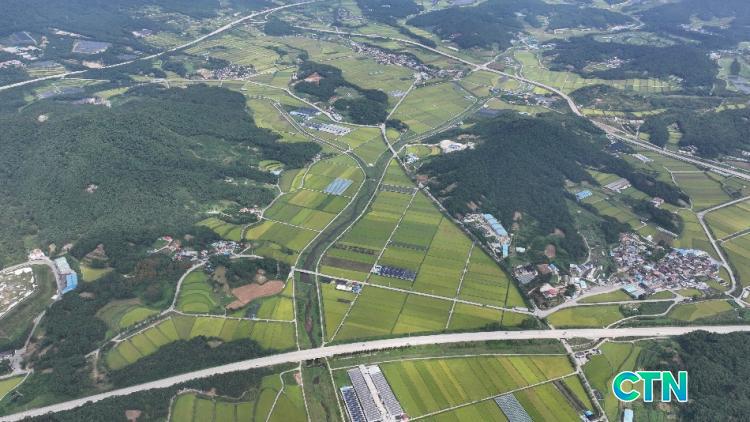
이어 9월부터 12월까지 진행하는 심층조사에서는 3만6,745필지를 대상으로 현장을 직접 확인한다. 담당 공무원과 농지조사원은 농지를 찾아가 실제로 농사를 짓고 있는지 살피고, 농지를 불법으로 빌려주거나 무단으로 다른 용도로 사용하고 있는지도 점검한다. 또 농사를 짓지 않고 방치한 농지가 있는지도 함께 확인할 계획이다. 차량이나 사람이 들어가기 어려운 지역은 무인비행장치를 활용해 빠지는 곳 없이 조사할 예정이다. 이번 조사에서는 첨단 기술도 적극 활용한다. 남원시는 2025년부터 한국국토정보공사(LX)와 함께 정보기술을 활용해 농사를 체계적으로 관리하는 사업을 추진해 왔다. 남원시는 이 사업을 통해 확보한 고화질 무인비행장치 영상을 이번 조사에 활용할 예정이다. 이 영상에는 남원시 전체 농지가 담겨 있다. 또 인공지능으로 농지 영상을 분석해, 농지를 허가 없이 다른 용도로 쓰고 있는지와 법을 어긴 것으로 의심되는 곳이 있는지를 미리 가려낼 계획이다. 이를 통해 조사를 더 정확하고 빠르게 진행할 방침이다. 일부 지자체가 특정 시기에만 반짝 사업이나 단속, 조사를 벌이고 마치 관내 전역의 자원순환과 재난 준비, 농지 관리를 완벽히 끝낸 양 홍보하는 행태는 과거 치적 중심 행정의 전형적인 기조와 맥을 같이한다.
실제로 현장 주민들과 환경·농업 전문가들이 당면한 본질적인 문제는 단기 단속 및 조사 품목의 다양화나 FAQ 식의 홍보가 아니라, 불법 점용 및 투기에 익숙한 이들의 인식 전환을 유도할 실효성 있는 인센티브 제도와 상시 단속 시스템의 안정적 운영 예산 확보의 한계다. 연간 불법행위 건수 대비 극히 일부 기간에만 특별 신고나 조사를 도입하는 이번 확대 조치는 실제 현장에서 발생하는 엄청난 양의 실태를 통계적 수치로만 포장할 위험이 크며, 시설 철거 및 투기 적발을 기피하는 일부 세력들을 설득할 실질적인 가이드라인 마련은 빠져 있다는 한계를 지닌다. 당장 기후위기나 농지 소멸에 따른 리스크는 상존해 있음에도, 상황실에 모여 단순 감량 예측치나 단속 및 조사 건수 등 일차적인 지표 정산에만 몰두하는 것은 자원순환과 도민 안전, 그리고 농지 보전이라는 당국 본연의 임무에 미치지 못하는 임시방편에 그쳤다는 비판이 지배적이다.
남원시의 이번 발표는 보도자료 배포 이후 마주할 실질적인 사각지대, 즉 단속이나 조사 시 업주 및 농가들이 추가로 부담해야 할지 모를 비용 구조나 한시적 지원 종료 후 발생하는 실제 불법시설 기피 및 농지 재투기 현상 등 현장 중심의 부작용에 대해서는 철저히 함구하고 있다. 단순히 '안전도시 조성'이나 '체계적 관리'라는 프레임을 씌우는 홍보 외에, 시민들이 일상 속에서 실질적인 자원순환, 방재, 그리고 농업 인프라를 보장받을 수 있도록 유도하는 사후 관리 지침은 제시되지 않았다. 남원시는 연례적인 홍보성 사업 확대를 지양하고, 실제 환경·방재·농업 전문가들과 현장 주민들이 환경 요소를 상시 진단하고 예산 배정을 직접 조율할 수 있는 내실 있는 '현장 밀착형 상설 환경·방재·농업 협의체' 구축 등 시민들이 피부로 느낄 수 있는 인프라 보완에 역량을 집중해야 할 것이다.
[영문번역 기사-AI활용]
An official from Namwon City said, "This investigation is aimed at preventing people from purchasing agricultural land for speculative purposes by more thoroughly checking how local agricultural land is actually being used. We will actively utilize advanced technologies such as artificial intelligence, satellite imagery, and unmanned aerial vehicles to ensure that agricultural land is used for actual farming, thereby managing agricultural land fairly and systematically." Namwon City announced that it plans to manage agricultural land more systematically, from this coming June until 2027, by comprehensively examining whether local agricultural land is actually being used for farming to prevent the purchase of agricultural land for speculative purposes. Instead of the government directly expanding financial support or permanent infrastructure for resource circulation, environmental maintenance, or agricultural land preservation, it appears to be an approach of taking immediate enforcement of visible participation numbers and promotional investigation statistics as a means of proving short-term administrative achievements, making it difficult to avoid criticism.
This investigation is conducted in accordance with the 'National Agricultural Land Full-scale Investigation Promotion Plan' of the Ministry of Agriculture, Food and Rural Affairs. Namwon City is currently recruiting 39 agricultural land investigators to carry out the investigation without any setbacks. The target of the investigation is a total of 136,111 parcels, 16,588 hectares of agricultural land in Namwon City. Namwon City plans to conduct the investigation in two phases until the end of December 2026, targeting agricultural land acquired after 1996. First, a basic investigation will be conducted to examine relevant documents, followed by an in-depth investigation to directly visit and verify the site. To achieve the administrative goals of waste reduction, disaster prevention, or eradication of agricultural land speculation, large-scale plans were mobilized in line with the outing or farming seasons, but it appears to be a stance that puts forward loose standards such as 'recruiting short-term investigators,' 'citizen reporting,' or a '10% utilization rate' without any practical mandatory regulations.
First, the basic investigation, conducted from June to August, will check 86,838 parcels to verify whether farming is actually being carried out and who owns the agricultural land. Namwon City plans to check who owns the agricultural land through land registers and copies of certified registries, and also examine whether they are receiving direct payments, what contents are registered in the agricultural management body, and whether agricultural materials were actually purchased to confirm if farming is actually being conducted. Behind the packaging of the local government's transition, safety, or advanced administration indexes loudly exposed to the media as a core achievement of 'active administration' lies a complacent bureaucratic convenience attempting to build an 'eco-friendly and advanced safe brand' image while leaving practical field concerns behind, such as the sustainability of budget support or the stable management of environmental and agricultural monitoring.
Subsequently, the in-depth investigation, conducted from September to December, will directly verify 36,745 parcels on-site. Responsible public officials and agricultural land investigators will visit the agricultural land to examine whether farming is actually being carried out, and also inspect whether agricultural land is illegally leased or unauthorizedly used for other purposes. They also plan to check if there is agricultural land left uncultivated and abandoned. Areas difficult for vehicles or people to enter will be investigated without omission by utilizing unmanned aerial vehicles. Advanced technology will also be actively utilized in this investigation. Since 2025, Namwon City has been promoting a project to systematically manage farming using information technology in cooperation with the Korea Land and Geospatial Informatization Corporation (LX). Namwon City plans to utilize high-definition unmanned aerial vehicle footage secured through this project for this investigation. This footage covers all agricultural land in Namwon City. In addition, the city plans to analyze agricultural land footage with artificial intelligence to filter out in advance places suspected of violating the law or using agricultural land for other purposes without permission. Through this, the city aims to conduct the investigation more accurately and quickly. The practice of some local governments holding short-term projects, crackdowns, or investigations only during certain periods and promoting them as if they have perfectly completed resource-circulation, disaster preparations, and agricultural land management across their jurisdiction aligns with the historical pattern of performance-centered administration.
In reality, the intrinsic problem confronted by frontline residents and environmental/agricultural experts on-site is not the diversification of temporary crackdown and investigation items or whether an FAQ is posted, but rather the limitations of securing stable operation budgets for permanent crackdown systems and effective incentive systems to induce awareness transition among those accustomed to illegal occupancy and speculation. This temporary investigation measure, which introduces crackdowns for only a small portion of the year, carries a high risk of packaging the massive reality of illegal emissions, occupancy, and speculation at actual sites merely as a statistical index. Furthermore, it faces limitations as practical guidelines to persuade some forces who avoid facility demolition or speculation detection were omitted. At a time when waste, disaster, or agricultural land loss risks due to the climate crisis are constant, focusing solely on primary index calculations such as estimated reduction figures or the number of detected cases and investigations misses the mark of the competent authority's inherent duty, remaining a mere temporary fix.
The city's current announcement keeps completely silent regarding the practical blind spots that will occur after the press release—such as the cost structure that business owners or farm households might have to bear additionally during crackdowns and investigations, or the re-speculation of agricultural land occurring after temporary enforcement ends. Except for the mere promotion of 'creating a safe city' or 'systematic management,' a specific post-management guideline to ensure that citizens can be guaranteed practical resource-circulation, disaster prevention, and agricultural infrastructure in daily life was not presented. Namwon City must refrain from performance-accumulating project expansions and concentrate its capabilities first on substantializing a 'field-linked permanent environmental, disaster prevention, and agricultural consultation body' where actual environmental, safety, and agricultural experts and residents can constantly inspect risk factors to directly adjust budget allocations so that citizens can actually feel it.
 |
최동주 인턴기자 dongjoo3333@naver.com
|