2026.05.28(목) 14:04
 교육타임즈 지면신문









|
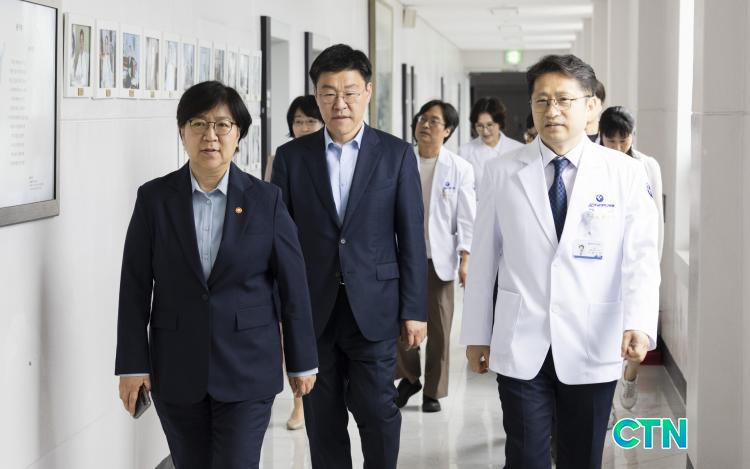
정부는 환자와 가족의 삶의 질 향상을 위해 전국 193개 호스피스전문기관과 11개 권역별호스피스센터를 지정해 지원하고 있다고 대대적으로 홍보했다. 하지만 현장의 실상은 전혀 다르다. 고질적인 인력난과 만성적인 적자 구조 탓에 이름만 지정해 놓았을 뿐, 실제로 밀려드는 환자를 감당할 수 있는 병상과 전담 의료진은 턱없이 부족한 실정이다. 정부는 '지정 및 지원'이라는 행정 편의주의적 수치만 내세울 뿐, 현장 의료진들이 겪고 있는 육체적·정신적 소진(번아웃)을 막아줄 실질적인 인력 확충 예산이나 수가 현실화 방안은 단 한 줄도 내놓지 못했다.
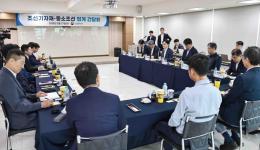
전문가 간담회에서 터져 나온 애로사항에 대한 복지부의 대응 역시 전형적인 '뜬구름 잡기'에 그쳤다. 현장 전문가들은 호스피스 사업 확대를 위해 보다 강화된 재정적 지원과 인프라 구축을 강력히 요구했으나, 복지부가 내놓은 해법은 고작 '올해 하반기 호스피스종합정보시스템 고도화'와 '교육 과정 확대 운영'이다. 당장 눈앞의 병상 부족과 인력 이탈로 시스템 자체가 마비될 위기인데, 현장과는 동떨어진 '전산망 업그레이드'와 '강의실 교육'을 대책이랍시고 내놓은 셈이다. 이는 현장의 절박한 목소리를 반영하기는커녕, 관료들의 실적 쌓기용 과제를 대책으로 둔갑시킨 것에 불과하다.
결국 복지부 장관의 이번 행보는 초고령사회라는 거대한 파도 앞에서 정부가 제 역할을 다하고 있다는 착시효과를 노린 '전시성 현장 쇼'에 가깝다. 환자의 통증 조절과 심리적·영적 돌봄이라는 호스피스의 숭고한 가치가 현장의 희생만으로 유지될 수는 없다. 정부가 지금처럼 구체적인 재정 투입 계획 없이 시스템 고도화 같은 말잔치만 늘어놓는다면, 대한민국의 생애 말기 존엄을 지켜줄 호스피스 체계는 머지않아 완전히 붕괴할 것이다.
[영문번역 기사-AI활용]
Jung Eun-kyeong, Minister of Health and Welfare, emphasized, "Hospice is an essential medical service that supports the entire life of patients and their families until the very end," adding, "The government will reflect the voices of the field to improve the quality of hospice services and strengthen infrastructure expansion and support so that services can be used at the right time." She also promised to advance the hospice comprehensive information system and expand manpower education in the second half of the year. However, considering the reality that the demand for hospices is exploding as the country has already entered a super-aged society, this visit to Chungnam National University Hospital in Daejeon and the expert briefing can hardly avoid criticism for being a 'belated administration' consistent with hollow measures and showy encouragement.
The government extensively promoted that it is specifying and supporting 193 hospice specialized institutions and 11 regional hospice centers nationwide to improve the quality of life for patients and their families. However, the reality of the field is completely different. Due to chronic manpower shortages and chronic deficit structures, institutions are specified only in name, while beds and dedicated medical staff capable of handling rushing patients are dreadfully insufficient. The government only puts forward administrative convenience figures of 'specification and support,' but failed to present a single budget for expanding manpower or measures to realize fees to prevent the physical and mental burnout of field medical staff.
The Ministry of Health and Welfare's response to the difficulties burst out at the expert briefing was equally confined to a typical 'empty talk.' Field experts strongly demanded substantial financial support and infrastructure construction to expand hospice projects, but the solution put forward by the ministry was merely 'advancing the hospice comprehensive information system in the second half of this year' and 'expanding the operation of training courses.' The system itself is at risk of paralysis due to immediate shortages of beds and personnel separation, but they brought out 'computer network upgrades' and 'classroom education' detached from the field as countermeasures. This is far from reflecting the desperate voices of the field, and is nothing more than disguising bureaucratic performance-building tasks as countermeasures.
In the end, the Welfare Minister's move this time is close to a 'showy field exhibition' aiming for an optical illusion that the government is fulfilling its role in front of the huge wave of a super-aged society. The noble value of hospices, such as pain control and psychological and spiritual care for patients, cannot be maintained solely by the sacrifice of the field. If the government continues to repeat empty talk like system advancement without concrete financial investment plans as it does now, the hospice system that will protect the dignity of the end of life in the Republic of Korea will completely collapse before long.
 |
가요진 기자 gyj1119@naver.com
|