2026.06.02(화) 01:21
 교육타임즈 지면신문









|
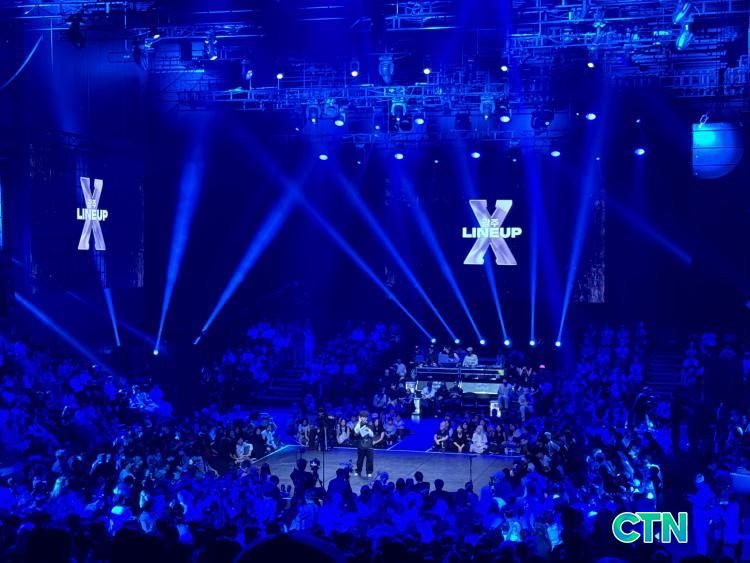
가장 우려스러운 맹점은 한국 현대사의 가장 비극적이자 숭고한 민주화운동의 상징적 공간인 '5·18민주광장'을 장소의 역사적 맥락에 대한 깊은 성찰 없이 상업성 짙은 스트리트댄스 경연장으로 활용한다는 점이다. 시는 야외 경연 프로그램을 이틀로 확대하고 케이팝 댄스 경연을 신설해 거리의 열기를 나누겠다고 공언했다. 하지만 광장이 가진 추모와 민주주의의 가치를 젊음의 에너지라는 미명 하에 힙합 비트와 그래피티, 초크아트 같은 미국식 거리문화로 덮어버리는 것이 타당한지에 대해서는 의문이다. 공간의 정체성을 훼손하면서까지 흥행만을 쫓는 관제 축제라는 지적이 나오는 이유다.
또한 광주시가 내세운 '접수 시작 2분 만에 매진'이나 '1,300여 명 참여'라는 타이틀 역시 실속 없는 흥행 조급증의 산물이다. 댄서들 사이의 티켓 매진이 곧바로 광주 지역 전체의 체류형 관광 활성화나 소상공인 매출 증대로 이어진다는 보장은 어디에도 없다. 축제 프로그램을 살펴보면 대부분 국립아시아문화전당 예술극장 등 특정 실내 시설에서 댄서들만의 배틀로 채워져 있어, 일반 시민이나 외부 관광객이 유입되어 소비를 일으킬 만한 유인책은 턱없이 부족하다. 5·18민주광장에 설치되는 관광 홍보부스나 미식 관광 콘텐츠 역시 나흘짜리 행사를 위해 급조된 일회성 부스에 불과해 구조적인 지역 경제 활력 제고에는 한계가 명확하다.
결국 광주광역시의 이번 스트릿컬처 페스타는 내실보다는 외형적 성과와 홍보 수치에만 매몰된 성과주의 행정의 단면이다. 거창한 '도심형 세계적 문화축제 모델'이라는 구호와 유명 댄서들을 동원한 심사위원 라인업만으로는 축제의 지속 가능성을 담보할 수 없다. 광주시는 순위나 흥행 실적에만 일희일비하는 생색내기식 언론 플레이를 중단해야 한다. 대신 역사적 공간인 5·18민주광장의 상징성을 보호하면서도 청년 문화를 조화롭게 융합할 수 있는 정교한 가이드라인을 마련하고, 축제 기간에만 반짝하는 일회성 행사를 넘어 연중 청년 예술인들이 자생할 수 있는 실질적인 지역 문화 인프라를 구축하는 데 행정력을 쏟아야 한다.
[영문번역 기사-AI활용]
Lee Seung-gyu, head of the New Vitality Promotion Headquarters of Daegu Metropolitan City, emphasized, "The Street Culture Festa is a global cultural festival where young people and dancers from all over the world gather in Gwangju to enjoy together. We will do our best to grow it into a global summer festival that promotes Gwangju's cultural dynamism and youthful energy at home and abroad." This is the city's stance on Gwangju Metropolitan City extensively promoting its hosting of the nation's largest street dance event in the area of the National Asia Culture Center and 5.18 Democratic Square. However, criticism is raised that this is a typical 'showy performance administration' that consumes Gwangju's historical symbolism as a simple festival background and focuses only on external packaging without verifying practical stay-type tourism effects.
The most serious blind spot is that '5.18 Democratic Square,' a symbolic space of the most tragic and sublime democratization movement in modern Korean history, is used as a highly commercial street dance contest venue without deep reflection on the historical context of the place. The city declared that it would expand outdoor contest programs to two days and establish a new K-POP dance contest to share the heat of the street. However, it is questionable whether it is appropriate to cover the value of memory and democracy held by the square with American street culture such as hip-hop beats, graffiti, and chalk art under the name of youthful energy. This is why some point out that it is a government-controlled festival chasing only box office success while damaging the identity of the space.
In addition, the titles of 'sold out in 2 minutes after registration started' or 'more than 1,300 participants' put forward by Gwangju City are also the product of hollow performance anxiety. There is no guarantee anywhere that ticket sell-outs among dancers will directly lead to vitalizing stay-type tourism or increasing sales for small business owners in the Incheon area as a whole. Looking at the festival program, most of it is filled with battles among dancers in specific indoor facilities such as the National Asia Culture Center Arts Theater, severely lacking incentives for general citizens or outside tourists to flow in and generate consumption. The tourism promotion booths or gourmet tourism content installed in 5.18 Democratic Square are also merely one-off booths rushed for a four-day event, showing clear limitations in raising structural local economic vitality.
In the end, Gwangju City's Street Culture Festa is an aspect of performance-oriented administration buried only in external achievements and public relations figures without substance. Grandiose slogans like 'urban global cultural festival model' and a judge lineup mobilizing famous dancers alone cannot guarantee the sustainability of the festival. Gwangju City must stop superficial media play that fluctuates over box office records. Instead, it should establish sophisticated guidelines that can harmoniously fuse youth culture while protecting the symbolism of 5.18 Democratic Square, an historical space, and concentrate its administrative power on building a practical local cultural infrastructure where young artists can survive year-round beyond a one-off event that only sparkles during the festival period.
 |
최영준 기자 gildongmoo2@hanmail.net
굴곡 없는 참시선으로
|