2026.06.02(화) 01:21
 교육타임즈 지면신문









|
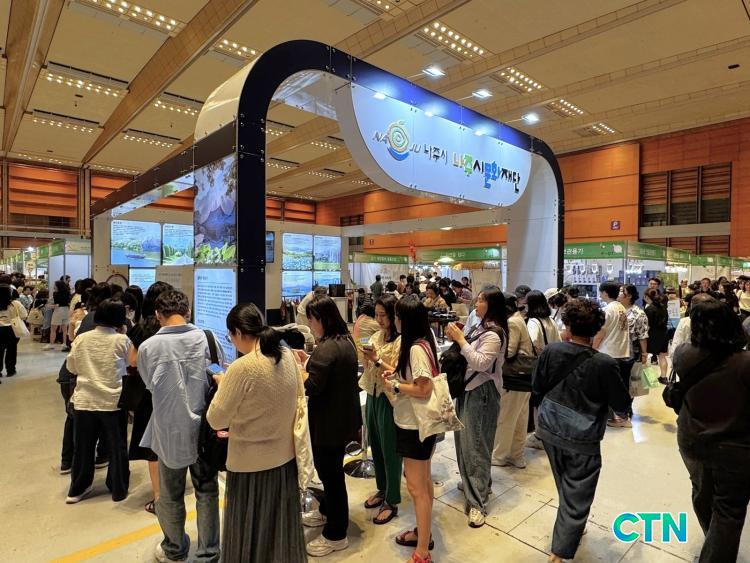
이번 행사의 가장 큰 맹점은 나주 차문화가 가진 매력을 전달하는 방식이 지나치게 과거 지향적이고 평면적이라는 데 있다. 재단은 4세기 불회사의 창건 설화나 '다도면'이라는 행정구역 명칭을 내세우며 정통성을 강조하지만, 이는 역설적으로 현재 나주 차문화가 대중에게 매력적으로 다가갈 만한 '오늘날의 스토리'를 결여하고 있음을 방증한다. 지난해 시음 인원과 방문객 수를 성과로 내세우기 전에, 박람회장이라는 제한된 공간에서 차 한 잔을 마신 소비자들이 과연 일상에서 나주 야생차를 지속적으로 소비하거나 기억할 수 있을지에 대한 냉정한 성찰이 선행되어야 했다. 역사적 당위성만으로 현대 소비자의 지갑을 열기는 불가능에 가깝다.
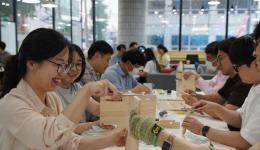
아울러 '2026 나주방문의 해'와 연계해 관광 브랜드를 확산하겠다는 계획 역시 단순한 덧붙이기식 기획에 가깝다. 서울 코엑스를 찾는 참관객들은 차(茶)라는 특정 카테고리에 집중된 목적형 방문객들이다. 이들에게 전통 소반과 천연염색을 함께 보여준다고 해서 나주를 향한 직접적인 여행 동기가 유발되기는 어렵다. 행사 기간에만 반짝 운영되는 홍보관은 지역의 자산을 종합 선물 세트처럼 늘어놓는 나열식 전시에 그치기 십상이며, 결과적으로 예산 투입 대비 지역 경제로 환원되는 낙수효과를 정밀하게 측정하기 어려운 구조적 문제를 안고 있다.
결국 나주문화재단의 박람회 참가는 축제의 외형적 흥행과 홍보 건수 확보에 안주하는 행정의 관성을 보여준다. 서울이라는 대형 소비처에 나주를 알리는 시도 자체는 의미가 있으나, 단순한 시음과 전시 위주의 접근으로는 타 지자체와의 치열한 문화 콘텐츠 경쟁에서 살아남기 힘들다. 재단은 박람회 부스 안에서의 성과에 연연하는 언론 플레이를 지양해야 한다. 대신 나주 야생차의 제다 방식을 현대적인 웰니스 트렌드와 결합해 청년층이 소비할 수 있는 고부가가치 상품으로 전환하고, 박람회 경험이 실제 나주 지역의 차밭이나 역사적 사찰을 방문하는 체류형 관광 프로그램으로 이어지도록 정교한 연결 고리를 설계하는 데 역량을 집중해야 한다.
[영문번역 기사-AI활용]
Kim Chan-dong, CEO of the Naju Cultural Foundation, expressed his ambitions, saying, "I hope that participation in this International Tea Culture Expo will serve as an opportunity to widely promote the historical and ecological value of Naju wild tea. We will continue to utilize Naju's unique traditional tea culture resources to vitalize cultural tourism and enhance local brand value." This is the foundation's plan to imprint Naju's historical identity on the stage of a large-scale expo where tea enthusiasts and consumers from all over the country gather. However, behind the flashy numbers of tens of thousands of visitors every year, there lies a stagnant promotional formula unique to local governments that fails to overcome the limitations of one-off exhibition events and relies solely on past records.
The biggest blind spot of this event is that the method of conveying the charm of Naju's tea culture is excessively past-oriented and flat. The foundation emphasizes legitimacy by putting forward the founding myth of Bulhoesa Temple in the 4th century or the name of the administrative district 'Dado-myeon,' but this paradoxically proves that current Naju tea culture lacks 'today's story' that can appeal to the public. Before presenting the number of tasters and visitors last year as achievements, a cold reflection should have preceded on whether consumers who drank a cup of tea in a limited space called an expo hall could continuously consume or remember Naju wild tea in their daily lives. It is nearly impossible to open the wallets of modern consumers with only historical justification.
In addition, the plan to expand the tourism brand in connection with the '2026 Visit Naju Year' is also close to a simple additive planning. Visitors to Seoul COEX are goal-oriented visitors focused on a specific category of tea. It is difficult to induce a direct travel motive to Naju just by showing them traditional small dining tables and natural dyeing together. A promotional hall operated only during the event period is likely to end up as a bulleted exhibition listing local assets like a comprehensive gift set, and consequently carries a structural problem that makes it difficult to precisely measure the trickle-down effect returned to the local economy compared to the budget input.
In the end, the Naju Cultural Foundation's participation in the expo shows the inertia of administration that relies on the external success of festivals and securing promotion numbers. The attempt itself to promote Naju to a large consumption area like Seoul is meaningful, but it is difficult to survive in fierce cultural content competition with other local governments with a simple tasting and exhibition-oriented approach. The foundation must avoid media play that clings to achievements inside the expo booth. Instead, it should focus its capabilities on converting Naju wild tea's manufacturing method into a high-value-added product that the youth can consume by combining it with modern wellness trends, and designing sophisticated links so that the expo experience leads to stay-type tourism programs visiting actual tea fields or historical temples in the Naju region.
 |
하성매 기자 jyh7583@naver.com
하성매 기자 입니다.
|