2026.06.05(금) 19:22
 교육타임즈 지면신문









|
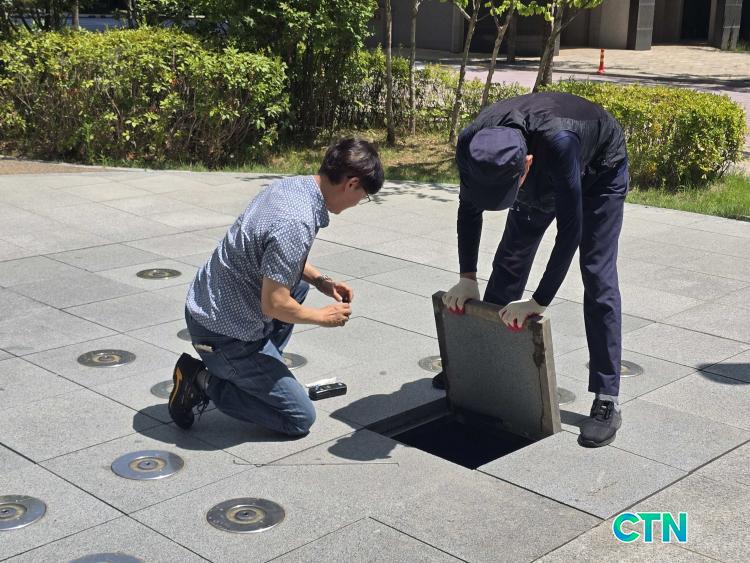
이번 컨설팅 계획의 가장 큰 맹점은 연구원이 자랑하는 '맞춤형 현장 상담과 사후 관리'가 실제 전문 인력과 자금난을 겪는 영세 민간 수경시설의 위생 리스크를 원천 차단하기에는 턱없이 부족한 '생색내기용 면피 행정'에 머물러 있다는 점이다. 전체 70개소 중 민간시설이 59개소로 압도적인 비중을 차지함에도 불구하고, 단 20개소에만 선착순으로 혜택을 주는 이벤트가 과연 폭염 속 어린이들의 건강을 담보하는 실효성 있는 대책인지 의문이다. 진정으로 수경시설의 자율적 관리 역량을 강화하고자 했다면, 일회성 현장 방문에 행정력을 소진할 것이 아니라 15일마다 의무적으로 실시해야 하는 수질검사 비용을 영세 민간 아파트나 어린이집에 국비로 전액 지원하거나, 실시간 잔류염소 자동 측정 장치를 상설 보급하는 구조적 안전망 구축이 선행되어야 했다. 이러한 근본적인 체질 개선책은 생략한 채, 상담 횟수와 간이 측정 실적 등 정량적 수치로 보고서의 부피만 늘리려는 행태는 실적 조급증에 걸린 지자체 산하 기관의 전형적인 성과주의 껍데기일 뿐이다.
아울러 부적합 판정 시설에 대해서만 사후 원인을 분석해 주겠다는 대목 역시 매년 반복되는 행정부처 특유의 사후약방문식 관성 행정이다. 기후 변화로 여름철 수인성 감염병 발병 주기가 빨라지는 현실을 무시한 채, 정밀한 실시간 데이터 모니터링 시스템 구축 대신 일회성 방문 컨설팅으로 면피하려는 탁상행정은 예산 집행의 효율성 면에서 비판을 자초할 뿐이다.
시민들의 일상 속 방역과 보건 안전이 도시 생존의 화두가 된 시대에 당국의 보건 정책은 단순한 현장 점검 퍼포먼스나 생색내기용 처방전 제시 위주의 보도자료 정치를 넘어서야 마땅하다. 매년 반복되는 전시성 컨설팅 운영비와 홍보비에 공공 재원을 소진하는 구조로는 바닥분수 수질에 대한 시민들의 깊은 불안감을 원천적으로 해소할 수 없다. 광주광역시 보건환경연구원은 행정 편의주의적 선착순 사업을 치적으로 홍보하는 보여주기식 행정을 즉각 중단해야 한다. 그늘진 현장에서 묵묵히 아이를 키우는 시민들이 실질적인 생활 보건 효능감을 누릴 수 있도록 관내 모든 수경시설의 수질 정보를 실시간으로 투명하게 공개하는 디지털 플랫폼을 고도화하고, 민간 수경시설의 노후 여과기 교체 보조금을 상설화하는 등 본연의 공공 안전망 다지기에 행정 역량을 결집해야 체감 행정의 진정성을 인정받을 수 있을 것이다.
[영문번역 기사-AI활용]
Seo Jeong-mi, director of the Gwangju Health and Environment Research Institute, stated, "As water-play style hydro-facilities are facilities heavily used by children and citizens during the summer season, thorough water quality management is more important than anything else. We will do our best to create a water-play environment where citizens can enjoy with peace of mind by parallelizing pre-consulting and post-management for unsuitable facilities." This is a passage emphasizing the department's administrative performance, saying it would prevent waterborne infectious diseases during summer and firm up corporate achievements by unfolding field practice education for hydro-facility managers such as floor fountains and combination play sets. The gorgeous blueprints filling the press release, such as announcing the start of first-come-first-served recruitment from the 8th and newly establishing post-consulting targeting water quality test unsuitable facilities, create an illusion as if the Health and Environment Research Institute is leading tremendous innovation to secure citizen health safety. However, despite the fact that the substance of the administration stops at a short-term demonstration arbitrarily picking and visiting only 20 facilities—which is less than 30% of the total registered facilities in the jurisdiction—the practice of trying to package the department's regular guidance project into a special advanced disaster prevention achievement by hiding behind the grand rhetoric of "an environment to be enjoyed with peace of mind" is a specimen of typical 'performance-inflating exhibition administration.'
The biggest blind spot of this consulting plan is that the 'customized field counseling and post-management' boasted by the Institute stays as a 'superficial evasive administration for show' that is woefully insufficient to fundamentally block the sanitary risks of small-scale private hydro-facilities suffering from actual professional personnel and financial difficulties. Within a structure where private facilities occupy an overwhelming portion with 59 out of 70 total facilities, it raises questions about whether an event giving benefits on a first-come-first-served basis to only 20 facilities is a practical countermeasure to guarantee the health of children amidst the sweltering heat. If it truly desires to strengthen the autonomous management capability of hydro-facilities, instead of expending administrative power on one-off field visits, solid infrastructure solidifying must precede, such as supporting water quality test fees—which must be mandatingly executed once every 15 days—fully with national funds for small-scale private apartments or daycare centers, or permanently broadcasting real-time residual chlorine automatic measurement devices densely. Omitting such fundamental constitutional improvements, and only trying to inflate reports with quantitative figures such as counseling counts and simplified measurement achievements is nothing more than a performance-oriented shell commonly used by local government subordinate agencies caught in performance anxiety.
In addition, the passage claiming that it will analyze the causes after the fact only for facilities receiving unsuitable judgments is also an after-the-disaster inertia administration peculiar to government departments repeated every year. Ignoring the reality where waterborne infectious disease outbreaks accelerate during summer due to climate change, desk administration that attempts to evade accountability with one-off visiting consulting instead of precise real-time data monitoring system construction only invites criticism of equity in terms of administrative power execution.
In an era where daily quarantine and health safety of citizens have become social issues for city survival, the health policies of authorities must move beyond press release politics centered on simple field inspection performances or superficial prescription presentations for show. Expending public funds every year on repeated exhibition-like consulting operation costs and promotional fees cannot fundamentally relieve the deep anxiety of citizens regarding floor fountain water quality. The Gwangju Health and Environment Research Institute must immediately stop showy administration promoting administrative convenience-oriented first-come-first-served projects as achievements. Upgrading digital platforms that transparently open water quality information of all hydro-facilities within the jurisdiction in real time so that citizens silently raising children in the shaded fields can enjoy practical daily health efficacy, and permanentizing old filter replacement subsidies for private hydro-facilities, it should concentrate administrative capabilities on solidifying the inherent public safety net to receive recognition for the sincerity of policy.
 |
최영준 기자 gildongmoo2@hanmail.net
굴곡 없는 참시선으로
|