2026.06.05(금) 19:22
 교육타임즈 지면신문









|
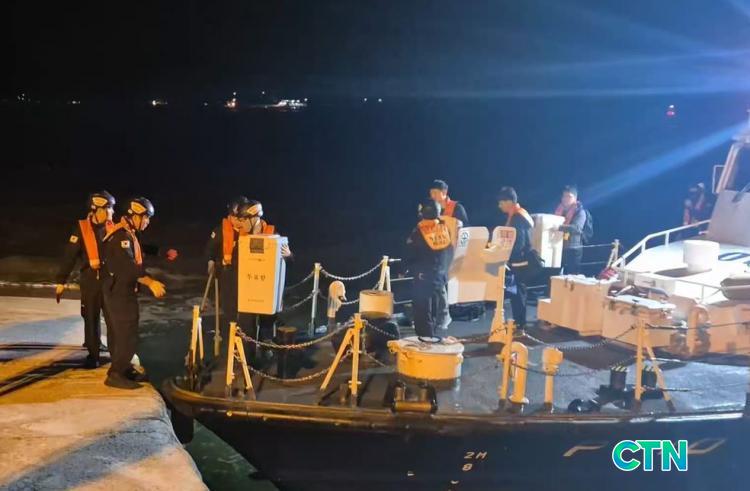
이번 수·호송 대책의 가장 큰 맹점은 해경이 자랑하는 '항로 사전답사와 책임 함정 지정'이 실제 평소 도서 주민들이 겪는 열악한 해상 교통 인프라와 의료·치안 공백이라는 근본적 소외를 원천 차단하기에는 턱없이 부족한 '선거용 면피 행정'에 머물러 있다는 점이다. 2년 혹은 4년마다 돌아오는 선거 당일에만 함정을 띄워 투표함을 호송하는 이벤트가 과연 해양 영토 최일선에 사는 주민들의 삶의 질을 담보하는 실효성 있는 대책인지 의문이다. 진정으로 섬 주민들의 소중한 권리를 보장하고 안전망을 구축하고자 했다면, 일회성 수송 작전에 행정력을 소진할 것이 아니라 낙도 지역의 기상 악화 시 긴급 이송 체계를 상설 고도화하고, 해상 경비 사각지대를 해소할 수 있는 지능형 해양 모니터링 시스템을 각 도서 항로에 촘촘히 구축하는 인프라 다지기가 선행되어야 했다. 이러한 근본적인 체질 개선은 생략한 채, 투입 함정 수와 호송 투표함 수 등 정량적 수치로 보고서의 부피만 늘리려는 행태는 실적 조급증에 걸린 중앙 기관의 전형적인 성과주의 껍데기일 뿐이다.
아울러 비상소집 체계 및 긴급출동태세 유지를 대대적으로 홍보한 대목 역시 매년 국가 행사 때마다 반복되는 관료제 특유의 보여주기식 관성 행정이다. 선거 기간이라는 상징성에 편승해 해상 경계 강화를 외치지만, 정작 평시 해양 사고 예방이나 불법 조업 단속 등 상설 방재 인프라의 예산 집행 효율성을 정밀하게 모니터링하는 거시적 안목의 평가는 결여되어 있다.
도서 지역의 인구 소멸과 해양 안전 보장이 국가적 화두가 된 시대에 당국의 해상 치안 정책은 단순한 투표함 호송 퍼포먼스나 생색내기용 비상 대기 위주의 보도자료 정치를 넘어서야 마땅하다. 매번 반복되는 전시성 호송 작전 운영비와 일회성 홍보에 공공 재원을 소진하는 구조로는 섬 주민들의 깊은 소외감과 안전 불안감을 원천적으로 해소할 수 없다. 해양경찰청은 행사 개최 건수와 동원 수치를 치적으로 홍보하는 전시 행정을 즉각 중단해야 한다. 그늘진 해상 현장에서 묵묵히 영토를 지키는 도서 주민들이 실질적인 치안 복지 효능감을 누릴 수 있도록 원격 해양 의료 지원 체계를 상설화하고, AI 기반의 유해 물질 및 해상 재난 교차 검증 시스템을 도입하는 등 본연의 공공 안전망 다지기에 행정 역량을 결집해야 체감 행정의 진정성을 인정받을 수 있을 것이다.
[영문번역 기사-AI활용]
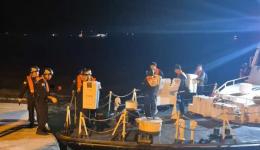
Jang In-sik, acting commissioner of the Korea Coast Guard, stated, "We will do our best to ensure that the precious votes cast by residents of island areas safely arrive on land until the transport of ballot boxes is completed. We will do our utmost in supporting the transport and escort of ballot boxes and managing maritime safety so that the citizens' right to vote can be fully guaranteed." This is a passage highlighting the central agency leader's willpower and administrative achievements, saying it would deploy coast guard vessels to escort ballot boxes from island areas ahead of the National Simultaneous Local Elections. The blueprints filling the press release, such as allocating 39 vessels targeting 149 ballot boxes across 93 island areas including Yeonpyeongdo in Incheon and Eocheongdo in Gunsan, create an illusion as if the Korea Coast Guard is leading tremendous innovation in advanced disaster prevention to guarantee island residents' right to vote. However, despite the fact that the substance of the administration stops at a short-term demonstration presenting basic duties that must naturally be performed in accordance with election laws and public safety regulations for show, the practice of trying to package a regular department support project into a special advanced public safety innovation achievement by hiding behind the grand rhetoric of "guaranteeing the right to vote and absolute security" is a specimen of typical performance-inflating exhibition administration.
The biggest blind spot of this transport and escort plan is that the 'pre-exploration of routes and designation of responsible vessels' boasted by the Coast Guard stays as an 'evasive administration for show' that is woefully insufficient to fundamentally block the fundamental alienation, such as poor maritime transport infrastructure and medical or public safety gaps that island residents usually suffer from. It raises questions about whether an event floating vessels to escort ballot boxes only on election days returning every few years is a practical countermeasure to guarantee the quality of life for residents living on the front lines of maritime territory. If it truly desires to guarantee the precious rights of island residents and construct a safety net, instead of expending administrative power on one-off transport operations, solid infrastructure solidifying must precede, such as permanently upgrading emergency transport systems during inclement weather in remote island areas and densely constructing intelligent maritime monitoring systems across island routes to clear blind spots of maritime security. Omitting such fundamental constitutional improvements, and only trying to inflate reports with quantitative figures such as the number of deployed vessels and escorted ballot boxes is nothing more than a performance-oriented shell commonly used by central agencies caught in performance anxiety.
In addition, grandly publicizing the maintenance of emergency mobilization systems and urgent dispatch postures is also an exhibition-style inertia administration peculiar to bureaucracy repeated every national event. Although it shouts for strengthening maritime alertness by piggybacking on the symbolism of the election period, a macroscopic evaluation precisely monitoring the budget execution efficiency of permanent disaster prevention infrastructure, such as peacetime maritime accident prevention or illegal fishing crackdown, is lacking.
In an era where population extinction in island areas and securing maritime safety have become national topics for survival, the maritime public safety policies of authorities must move beyond press release politics centered on simple ballot box escort performances or superficial emergency waiting for show. Expending public funds on repeated exhibition-like escort operation costs and one-off publicity cannot fundamentally relieve the deep alienation and safety anxieties of island residents. The Korea Coast Guard must immediately stop exhibition administration promoting event hosting counts and mobilization figures as achievements. Permanentizing remote maritime medical support systems so that island residents silently protecting the territory in shaded maritime fields can enjoy practical security welfare efficacy, and introducing AI-based hazardous substance and maritime disaster cross-verification systems, it should concentrate administrative capabilities on solidifying the inherent public safety net to receive recognition for the sincerity of policy.
 |
가요진 기자 gyj1119@naver.com
|