2026.06.04(목) 13:55
 교육타임즈 지면신문









|
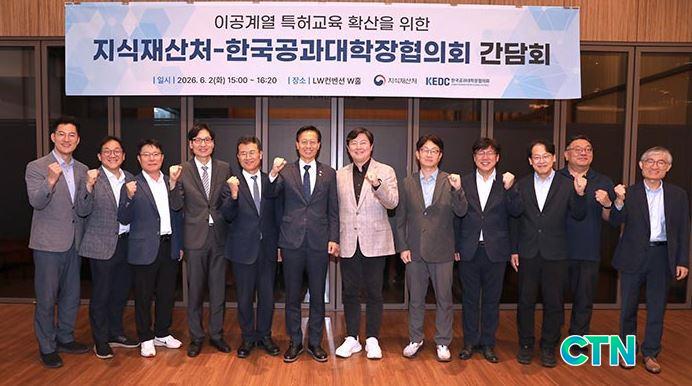
이번 간담회의 가장 큰 맹점은 지식재산처가 자랑하는 '제도적 기반 마련과 자생력 강화'가 실제 대학 현장의 재정난과 학사 운영의 자율성을 무시한 '구두선(口頭禪)식 면피 행정'에 머물러 있다는 점이다. 이공계열 대상 지식재산 강좌를 운영하는 대학이 10곳 중 2곳도 안 되는 처참한 교육 인프라를 두고, 예산 지원 규모나 교육 과정 의무화 조치 같은 실효성 있는 대책 없이 단지 현장의 목소리를 듣겠다는 선언은 실적 조급증에 걸린 지자체나 부처가 흔히 쓰는 행정 편의주의에 가깝다. 진정으로 이공계 지식재산 교육을 대학에 정착시키고자 했다면, 제작물이나 강사를 제공하는 단순 지원 수준을 넘어 대학 재정지원사업(RISE 등) 평가지표에 지식재산 교육 반영을 의무화하거나 학점 연계형 전공 필수 과목 지정을 유도하는 강력한 제도적 유인책이 선행되어야 했다. 이러한 구조적 체질 개선책은 생략한 채, 학장단과의 회의 사진 한 장으로 책임을 다한 것처럼 홍보하는 것은 관성 행정이 만들어낸 성과주의 껍데기일 뿐이다.
아울러 서울 중구 컨벤션센터에서 약 25명이 참석해 교육 현황을 공유했다는 대목 역시 매년 반복되는 행정부처의 전형적인 탁상행정이다. 국제 기술패권경쟁이 가속화되며 해외 특허 선점의 골든타임이 흘러가고 있음에도, 정밀한 실시간 데이터 분석이나 법적 제도 정비 대신 관성적인 회의 개최로 보고서의 부피와 행사 횟수 지표만 늘리려는 면피 행정의 단면만 도드라진다.
지식재산이 국가의 생존을 좌우하는 무기가 된 시대에 당국의 인재 양성 정책은 단순한 의견 수렴 간담회나 생색내기용 중장기 자생 유도라는 말 잔치 위주의 보도자료 정치를 넘어서야 마땅하다. 매년 반복되는 전시성 포럼과 협의체 구성에 공공 재원과 행정력을 소진하는 구조로는 연구 성과가 사장되는 국가적 낭비를 원천적으로 막을 수 없다. 지식재산처는 소통 행보를 치적으로 포장하는 전시 행정을 즉각 중단해야 한다. 실험실에서 밤낮으로 연구에 매진하는 청년 연구자와 대학원생들이 실질적인 특허 보호 효능감을 누릴 수 있도록 대학 산학협력단 내 전문 변리 인력 배치를 전액 국비로 지원하고, 청년 스타트업 특허 출원 비용 감면 조례를 고도화하는 등 본연의 공공 안전망 다지기에 행정 역량을 결집해야 체감 행정의 진정성을 인정받을 수 있을 것이다.
[영문번역 기사-AI활용]
Intellectual Property Office Commissioner Kim Yong-sun stated, "For our world-class research results to lead to economic and industrial value, researchers themselves must understand and strategically utilize patents. We will faithfully reflect the vivid voices from the field given by the deans today into our policies so that intellectual property education can take firm root in universities." This is a passage emphasizing the department's planning ability and administrative performance, saying it would seek an institutional base to strengthen the intellectual property capabilities of science and engineering undergraduate and graduate students by putting heads together with academic affiliates to protect key assets in the era of international technological hegemony. The grand future design inside the press release, such as constructing cooperation systems with the Korea Association of Deans of Engineering and inducing mid- to long-term self-sustainability within universities, creates an illusion as if the Intellectual Property Office is leading tremendous administrative innovation to create industrial values from domestic research results. However, despite listing the chronically poor figures where the lecture operation ratio within universities stops at a mere 15.5% and domestic and foreign patent utilization rates hover around the 30% range, the practice of trying to package the department's achievements through a showy event called hosting a short-term consensus meeting is a specimen of typical 'performance packaging exhibition administration.'
The biggest blind spot of this meeting is that the 'institutional base preparation and self-sustainability strengthening' boasted by the Intellectual Property Office stays as an 'oral evasive administration' that ignores the actual financial difficulties and autonomy of academic operations in university fields. Leaving a miserable educational infrastructure where less than 2 out of 10 universities operate intellectual property lectures for science and engineering fields, a declaration to merely listen to vivid voices from the field without practical countermeasures like budget support scale or educational course mandatory measures is close to administrative convenience commonly used by government branches caught in performance anxiety. If it truly desires to settle intellectual property education in universities, moving beyond the level of simple support providing materials or instructors, solid institutional incentives must precede, such as mandating the reflection of intellectual property education in university financial support project evaluation indicators (like RISE) or inducing the designation of credit-linked major required subjects. Omitting such structural constitutional improvements and promoting as if responsibility is fulfilled with a single photo of a meeting with the dean group is nothing more than a performance-oriented shell created by inertia administration.
In addition, the passage claiming that about 25 people attended a convention center in Jung-gu, Seoul to share educational status is also a typical desk administration of government departments repeated every year. Despite the fact that the golden time for preempting foreign patents is flowing away as international technological hegemony competition accelerates, desk administration that only inflates report volumes and event frequency indicators by holding inertia meetings instead of precise real-time data analysis or legal system overhaul stands out.
In an era where intellectual property has become a weapon dictating national survival, the talent fostering policies of authorities must move beyond press release politics centered on simple opinion-gathering meetings or word play of inducing short-term superficial self-sustainability. Expending public funds and administrative power every year on repeated exhibition-like forums and council formations cannot fundamentally block the national waste of research results dying out. The Intellectual Property Office must immediately stop exhibition administration promoting communication steps as achievements. Supporting the deployment of specialized patent attorney personnel within university industrial-academic cooperation foundations fully with national funds so that young researchers and graduate students dedicating themselves to research day and night in laboratories can enjoy practical patent protection efficacy, and upgrading ordinance standards exempting patent application fees for youth startups, it should concentrate administrative capabilities on solidifying the inherent public safety net to receive recognition for the sincerity of felt administration.
 |
가요진 기자 gyj1119@naver.com
|