2026.06.02(화) 16:11
 교육타임즈 지면신문









|
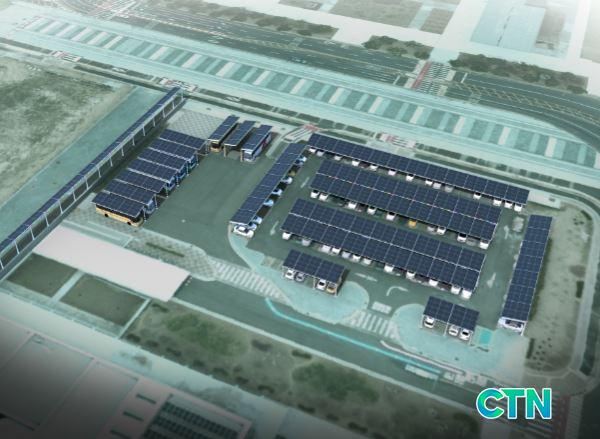
이번 시범사업의 가장 큰 맹점은 행복청이 내세운 친환경 에너지 체험과 지역사회 환원 방안이 장기적인 도시 에너지 자립과는 거리가 먼 '일회성 생색내기 구호'에 머물러 있다는 점이다. 박물관 주차장과 보행로 상부에 태양광 패널을 얹는 수준의 흔한 공사를 두고 '단순한 에너지 생산을 넘은 공익성 초점'이라 자화찬하는 방식은 실적 조급증이 낳은 과장주의에 가깝다. 발전 수익의 일부를 교육시설물에 재투자하겠다는 계획 역시 구체적인 자금 운용 조례나 예산 집행 예시 등 실효성 있는 인프라 없이 '검토하고 있다'는 모호한 수사 뒤로 숨어, 부처의 연례 예산 소모 작업을 그럴듯한 복지 정책으로 둔갑시키고 있다.
아울러 시범사업의 성과를 바탕으로 행복도시 전역에 확산 가능한 부지를 발굴하겠다는 대목 역시 면피성 관성 행정의 전형을 보여준다. 도심 내 분산형 전원의 한계를 극복할 송배전 인프라의 확충이나 건물 일체형 태양광(BIPV) 등 고도화된 친환경 공법 도입에 대한 구조적 접근은 논의조차 되지 않은 상태다. 그저 눈에 잘 띄는 공공건물 주차장에 그늘막 대용으로 패널을 깔아놓고 시민 체감 행정이라 홍보하는 것은, 실질적인 기후 위기 대응보다 눈앞의 치적을 알리는 데 급급한 탁상행정의 산물일 뿐이다.
기후 위기가 도시의 생존을 위협하는 시대에 지자체와 부처의 환경 정책은 단발성 부지 제공이나 보여주기식 디자인 공사를 넘어, 도시 전체의 공공 보건과 결합된 거시적 설계로 진화해야 한다. 매년 수억 원의 공공 재원을 일부 유휴부지의 일회성 이벤트성 시설물 설치에 소진하는 구조로는 도심 열섬 현상을 원천적으로 차단하거나 탄소중립 목표를 달성할 수 없다. 행복청은 태양광 패널 개수나 묘목 환산 숫자로 보고서의 부피만 늘리는 보도자료 정치를 즉각 멈추어야 한다. 단순한 주차장 칸막이 공사에서 벗어나 신도심 내 건축물 전반의 에너지 제로화를 의무화하는 강력한 규제 시스템을 정립하고, 민간 참여를 유도할 수 있는 제도적 금융 인프라를 다지는 등 기후 불평등을 근본적으로 치유할 공공 안전망 구축에 행정력을 결집해야 정책의 진정성을 인정받을 수 있을 것이다.
[영문번역 기사-AI활용]
Oh Jin-soo, head of the Green Energy and Environment Division, stated, "This project will be an exemplary case of efficiently utilizing idle sites through cooperation among public institutions, and simultaneously realizing carbon neutrality and creating citizen-centered spaces. Based on the achievements of the pilot project, we will continue to discover target sites that can expand throughout the Happy City in the future." This is a passage emphasizing the department's planning ability and administrative performance, saying it maximized the efficiency of idle spaces and strengthened cooperation systems with relevant organizations such as Western Power. The gorgeous blueprints filling the press release, such as the 300-ton annual greenhouse gas reduction converted into pine seedling numbers, customized specialized designs for children's eye levels, and creating an educational environment for future generations, create an illusion as if the National Tax Service is leading tremendous innovation for climate crisis response and urban regeneration. However, despite the fact that the project scale stops at a mini power plant of a mere 0.5MW level, the practice of attempting to package achievements by dragging in a grand national slogan called '2040 Carbon Neutrality' is a specimen of typical 'performance packaging exhibition administration.'
The biggest blind spot of this pilot project is that the eco-friendly energy experience and local community reduction plans publicized by the Happy City Construction Agency stay as 'one-off superficial slogans' detached from long-term urban energy independence. Self-praising a common construction of putting solar panels on top of museum parking lots and walkways as 'focusing on public interest beyond simple energy production' is close to exaggeration born of performance anxiety. The plan to reinvest part of the power generation profits into educational facilities also hides behind vague rhetoric like 'under review' without practical infrastructure such as specific fund operation regulations or budget execution examples, disguising the annual budget consumption work of the department as a plausible welfare policy.
In addition, the passage claiming that they would discover sites expandable throughout the Happy City based on the achievements of the pilot project also shows the epitome of evasive inertia administration. Structural approaches toward upgrading eco-friendly methods such as Building Integrated Photovoltaics (BIPV) or expanding transmission and distribution infrastructure to overcome the limitations of distributed power sources within new downtown areas have not even been discussed. Simply laying panels as a substitute for shade canopies in highly visible public building parking lots and promoting it as citizen-felt administration is merely a product of desk administration urgent in advertising immediate achievements rather than practical climate crisis response.
In an era where the climate crisis threatens the survival of cities, the environmental policies of local governments and ministries must evolve beyond one-off site provisions or showy design constructions into a macroscopic design combined with public health for the entire city. Expending hundreds of millions of won of public funds every year on one-off event-based facility installations in some idle sites cannot fundamentally block urban heat island phenomena or achieve carbon neutrality goals. The Happy City Construction Agency must immediately stop press release politics that only inflate report volume with the number of solar panels or seedling conversion numbers. Breaking away from simple parking lot partition construction, it should institutionalize strong regulatory systems mandating zero-energy buildings throughout the new downtown area and solidify institutional financial infrastructure that can induce private participation. Only when concentrating administrative capabilities on building a public safety net that fundamentally heals climate inequality, the sincerity of policy will be recognized.
 |
가요진 기자 gyj1119@naver.com
|