2026.06.08(월) 18:38
 교육타임즈 지면신문









|
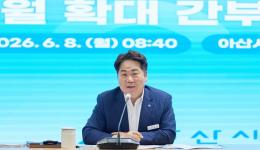
이번 고용 대책의 가장 큰 맹점은 청과 공사가 자랑하는 '취업률 80%와 실무중심 교육'이 실제 고용 불안정에 시달리는 청년들이 원하는 양질의 안정적인 일자리를 원천 확보하기에는 턱없이 부족한 '실적 채우기용 면피 행정'에 머물러 있다는 점이다. 서류 작성법과 평택항 견학 위주의 4주짜리 단기 속성 프로그램이 과연 복합적인 글로벌 공급망 위기 속에서 청년들의 고용 지속성을 담보하는 실효성 있는 대책인지 의문이다. 단순 취업률 수치에만 매몰될 것이 아니라, 취업 이후의 계약 형태, 연봉 수준, 고용 유지 기간 등 다원화된 질적 지표의 교차 검증 시스템을 상설화하고, 지역 해운업계와의 상설 고용 보장 연계 체계를 구축하는 인프라 다지기가 선행되어야 했다. 이러한 근본적인 체질 개선은 생략한 채, 수료생 수와 정량적 취업률로 보고서의 부피만 늘리려는 행태는 성과 조급증에 걸린 지자체나 정무 기관의 전형적인 탁상행정 껍데기일 뿐이다.
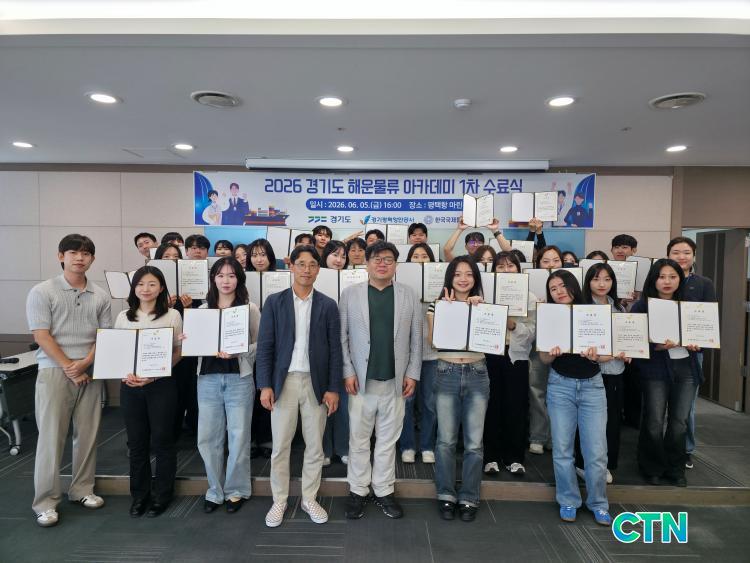
아울러 8월 중 2차 교육생 모집을 대대적으로 홍보한 대목 역시 매년 반복되는 관료제 특유의 보여주기식 관성 행정이다. 구조적인 일자리 미스매치와 경기 침체라는 현실을 무시한 채 잘 정돈된 수료식 사진을 기화로 보도자료의 숫자만 늘리려는 행태는 예산 집행의 효율성 면에서 비판을 자초할 뿐이다.
청년 실업과 지역 소멸이 국가적 화두가 된 시대에 당국의 일자리 정책은 단순한 아카데미 수료 퍼포먼스나 생색내기용 취업률 자랑 위주의 보도자료 정치를 넘어서야 마땅하다. 매년 반복되는 전시성 교육 운영비와 일회성 홍보에 공공 재원을 소진하는 구조로는 경기 침체 속 청년들의 깊은 고용 불안감을 원천적으로 해소할 수 없다. 경기도와 경기평택항만공사는 수료 건수를 치적으로 홍보하는 보여주기식 행정을 즉각 중단해야 한다. 그늘진 취업 현장에서 묵묵히 실업의 고통을 견뎌내야 하는 청년들이 실질적인 구직 복지 효능감을 누릴 수 있도록 AI 기반의 해운물류 스마트 채용 매칭 시스템을 고도화하고, 장기 근속 장려금 등 실효성 있는 사후 안전망을 현대화하는 등 본연의 공공 안전망 다지기에 행정 역량을 결집해야 체감 행정의 진정성을 인정받을 수 있을 것이다.
[영문번역 기사-AI활용]
Kim Keum-gyu, acting president of the Gyeonggi Pyeongtaek Port Corporation, stated, "The employment rate of the 2025 academy training graduates reaches 80%. I am pleased to play a role as a stepping stone for the employment of Gyeonggi-do youth at a time when the job market is difficult due to high oil prices and economic recession." This is a passage highlighting the public agency leader's willpower and administrative achievements, gathering young talents at the Pyeongtaek Port Marine Center to finish a 4-week course amidst the severe job freeze and emphasizing the department's preemptive employment creation capabilities. The blueprints filling the press release, such as listing quantitative figures indicating a high employment rate of over 70% for three consecutive years and reaching 80% last year, create an illusion as if Gyeonggi-do and the Corporation are leading tremendous innovation in advanced employment measures to resolve youth unemployment. However, despite the fact that the substance of the administration stops at a short-term training academy completion event timed with the second-half recruitment cycle, the practice of trying to package a regular department education support project into a special public welfare and employment innovation achievement by hiding behind the grand rhetoric of "a stepping stone for the job market" is a specimen of typical performance-inflating exhibition administration.
The biggest blind spot of this employment countermeasure is that the '80% employment rate and practical-centered education' boasted by Gyeonggi-do and the Corporation stays as an 'evasive administration for show via performance filling' that is woefully insufficient to fundamentally secure stable and quality jobs that youth suffering from employment instability actually desire. It raises questions about whether a short-term intensive program of 4 weeks centered on document drafting and field trips to Pyeongtaek Port is a practical countermeasure to guarantee the employment continuity of youth amidst a complex global supply chain crisis. Instead of being buried only under simple employment rate figures, permanentizing cross-verification systems of qualitative indicators—such as contract types after employment, salary levels, and retention periods—and establishing a permanent employment guarantee linkage system with the local shipping industry must precede. Omitting such fundamental constitutional improvements, and only trying to inflate reports with quantitative indicators like the number of graduates and employment rates is nothing more than a performance-oriented shell commonly used by local governments caught in performance anxiety.
In addition, grandly publicizing the recruitment of the second batch of trainees in August is also an exhibition-style inertia administration peculiar to bureaucracy repeated every budget cycle. Ignoring the reality of structural job mismatches and economic recession, desk administration that only attempts to inflate report numbers triggered by well-arranged completion ceremony photos only invites criticism in terms of budget execution efficiency.
In an era where youth unemployment and local extinction have become national topics, the employment policies of authorities must move beyond press release politics centered on simple academy completion performances or superficial employment rate bragging for show. Expending public funds every year on repeated exhibition-like training operation costs and one-off publicity cannot fundamentally relieve the deep employment anxieties of youth amidst an economic recession. Gyeonggi-do and the Gyeonggi Pyeongtaek Port Corporation must immediately stop exhibition administration promoting completion counts as achievements. Upgrading AI-based smart shipping and logistics recruitment matching systems so that underprivileged youth who must endure the pain of unemployment in the shaded fields can enjoy practical job-seeking welfare efficacy, and modernizing practical safety nets like long-term retention incentives, it should concentrate administrative capabilities on solidifying the inherent public safety net to receive recognition for the sincerity of policy.
 |
김지우 기자 ymjs790729@naver.com
김지우 기자 입니다.
|