2026.06.11(목) 18:37
 교육타임즈 지면신문









|
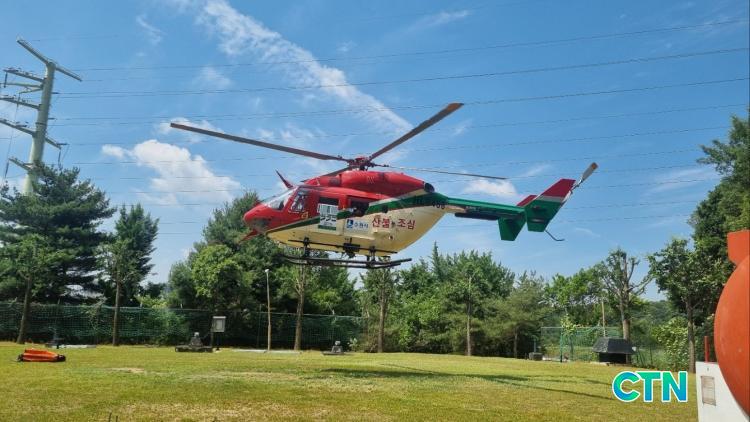
수원시가 이토록 다급하게 움직이는 이유는 소나무재선충병이 가진 압도적인 파괴력 때문이다. 크기 1mm 내외의 미세한 재선충이 매개충인 하늘소를 통해 나무 조직 내부로 침투하면, 수분과 양분이 흐르는 통로를 완벽히 마비시킨다. 일단 걸렸다 하면 예외 없이 3개월 안에 나무가 시뻘갛게 말라 죽는 탓에 치사율은 사실상 100%에 수렴한다. 실제로 수원시 영통구 일대에서 지난해 9월 소나무재선충병 감염목 1본이 최초로 확진 판정을 받으면서 시 방제 당국에는 비상이 걸렸다. 이에 시는 올해 광교산 일대 핵심 산림을 포함한 관내 소나무 9,850본을 대상으로 예방약인 합제나무주사 접종을 서둘러 마쳤으며, 헬기를 통한 공중 감시와 QR코드를 연동한 '소나무재선충병 이력관제시스템'을 도입해 지상과 하늘을 잇는 이중 방어벽을 쳤다.
인력의 눈길이 미치지 못하는 낭떠러지와 계곡부의 고사목을 첨단 항공 장비로 조기에 포착하고, 개별 나무마다 디지털 족보(QR코드)를 부여해 추적 관리하는 상향식 과학 방제 기법은 지자체 행정의 진일보한 유연성을 보여주는 대목이다. 수원시 관계자 역시 "소나무재선충병을 예방하려면 감염목을 조기에 발견하고 신속하게 대응하는 것이 무엇보다 중요하다"라며 "철저한 항공·지상 예찰로 산림 피해를 최소화하고 건강한 산림 환경을 유지하겠다"라고 강력한 방제 의지를 피력했다.
그러나 헬기 예찰과 나무주사라는 전통적인 방어선에만 기대는 현재의 방제 패러다임은 기후변화라는 거대한 돌발 변수 앞에서 순식간에 무력화될 수 있는 치명적 한계를 안고 있다. 지구 온난화로 인해 재선충을 옮기는 매개충(솔수염하늘소·북방수염하늘소)의 부화 시기가 매년 빨라지고 개체 수 또한 폭발적으로 급증하고 있지만, 행정 당국의 방제 예산과 인력 배치는 여전히 과거의 아날로그식 연간 스케줄에 묶여 있기 때문이다. 게다가 공공 산림이 아닌 사유지 내 소나무나 사각지대에 방치된 조경수의 경우 고사하더라도 사생활 침해나 재산권 문제로 조기 발견과 강제 처분 조치가 늦어져, 정작 애써 지켜온 국유림으로 재차 병원균이 역유입되는 악순환이 끊이지 않고 있다.
눈에 보이는 관할 구역만 훑는 보여주기식 항공 예찰에서 벗어나, 이제는 인공지능(AI) 기반의 위성 이미지 분석 기법을 과감히 도입해 사유지와 공공부지를 가리지 않고 실시간으로 고사 징후를 추적하는 민관 통합형 '올인원 산림 드론 감시망'을 상시 가동해야 한다. 아울러 감염목 발견 시 강제 벌채와 훈증 처리를 신속히 집행할 수 있도록 행정 명령 절차를 대폭 간소화하는 조례 개정을 서두르고, 인근 지자체들과의 경계를 허문 '수도권 광역 산림 방제 벨트'를 촘촘하게 제도화해야만 광교산의 푸른 소나무를 온전히 후대에 물려줄 수 있을 것이다.
[영문번역 기사-AI활용]
Suwon Special City has opened up its airspace to stop the spread of pine wilt disease, a fatal forest epidemic known as "pine tree AIDS" due to the lack of any cure once infected. On June 9, Suwon City deployed pest control helicopters to conduct a massive aerial surveillance operations over the Gwanggyosan Mountain area, where the majestic, dense forest has long been practically inaccessible to ground personnel due to its steep and rugged terrain. This move stems from a high level of anxiety that the entire forest ecosystem of Gwanggyosan, the city's vital green lung, could be devastated if the epidemic spreads, following the first confirmed infection in the middle of the urban district last autumn.
The reason Suwon City is moving with such urgency lies in the overwhelming destructive power of pine wilt disease. When microscopic pine wood nematodes, measuring around 1 mm, penetrate inside the tree tissue via vector beetles like the sawyer beetle, they completely paralyze the internal channels through which water and nutrients flow. Once infected, the tree turns reddish-brown and dies within three months without exception, resulting in a virtually 100% mortality rate. In fact, a state of emergency was declared for the city's control authorities when the first infected pine tree was confirmed in Yeongtong-gu, Suwon, last September. In response, the city rushed to complete preventive combined tree injections for 9,850 pine trees across its jurisdiction, including the core forest of Gwanggyosan, and established a dual defense wall linking the sky and ground by introducing helicopter aerial monitoring alongside a QR code-linked "Pine Wilt Disease History Control System."
Using cutting-edge aerial equipment to detect dead trees early in steep cliffs and valley areas where human eyes cannot reach, and granting an individual digital profile (QR code) to track each tree, represents a progressive leap forward in flexible local government administration. A representative from Suwon City expressed a strong will for quarantine, stating, "To prevent pine wilt disease, early detection of infected trees and a rapid response are more important than anything else. We will make every effort to minimize forest damage and maintain a healthy forest environment through thorough aerial and ground surveillance."
However, the current quarantine paradigm, which relies solely on traditional defensive lines like helicopter surveillance and tree injections, bears a critical vulnerability that could instantly render it useless against the huge variable of climate change. Due to global warming, the hatching period of vector insects (such as the Japanese pine sawyer and the small white-spotted longicorn beetle) is arriving earlier every year and their population is exploding. Yet, the administrative budget and personnel allocation for pest control remain tied to past analog annual schedules. Furthermore, in the case of pine trees on private lands or landscape trees left in blind spots, early detection and forced disposal measures are delayed due to privacy or property rights issues even if they die, which consistently results in a vicious cycle where pathogens reinvade the public forests that authorities worked hard to protect.
Breaking away from superficial aerial surveillance that only scans visible public zones, authorities must now boldly adopt AI-based satellite imagery analysis to constantly operate a public-private integrated "all-in-one forest drone surveillance network" that tracks signs of dying trees regardless of whether they sit on private or public land. In addition, accelerating the revision of local ordinances to streamline administrative execution procedures for rapid forced felling and fumigation upon discovering infected trees, and institutionalizing a "Metropolitan Forest Quarantine Belt" that erases borders with neighboring municipalities, are essential tasks to hand down the green pine trees of Gwanggyosan intact to future generations.
 |
김지우 기자 ymjs790729@naver.com
김지우 기자 입니다.
|