2026.06.11(목) 10:08
 교육타임즈 지면신문









|
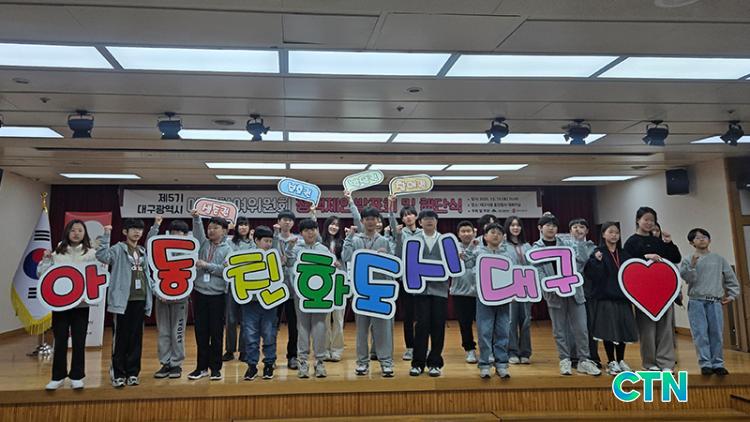
새롭게 출범하는 제6기 위원회는 관내 초등학교 4학년부터 고등학생까지 총 26명(초등학생 13명, 중학생 10명, 고등학생 3명)의 청소년들로 짜였다. 이들은 매월 1~2회 열리는 정기회의를 중심으로 아동권리 모니터링 활동과 정기적인 정책 제안 활동을 수행하게 된다. 앞서 운영된 기존 위원회들은 디지털 리터러시 교육 의무 시행, 아동 전용 실내 놀이터 확충, 아동 범죄 예방 시스템 구축, 아동의 쉴 권리 보장 등 현장감 있는 아이디어를 다수 발굴해 시정에 접목하는 성과를 냈다. 시는 위원회의 활동 동력을 유지하기 위해 연말 종합 평가를 거쳐 우수 활동 위원에게 대구광역시장 감사장을 수여할 계획이다. 이날 발대식은 위촉장 수여와 위원 선서에 이어 전문 아동권리 교육, 첫 조별 토론 및 의견 수렴 순으로 진행된다.
이 같은 대구시의 아동참여기구 운영은 유니세프(UNICEF) 아동친화도시 재인증 조건과 맞물려 있으며, 차기 '아동정책 기본계획(2027~2030)'의 정당성을 확보하기 위한 사전 포석으로 풀이된다. 대구시는 이번 위원회 출범과 함께 지역 아동과 학부모, 교육계 및 유관기관 종사자 등 총 1,600여 명을 대상으로 한 대규모 표준 설문조사도 동시에 추진한다. 조사 항목은 유니세프 기준에 따른 놀이문화, 참여존중, 안전보호, 보건복지, 교육환경, 가정환경 등 총 6대 영역으로 구성되며, 시는 여기서 도출된 시민들의 만족도 데이터를 기반으로 향후 4년간 적용될 아동 복지 정책의 하드웨어를 설계한다는 방침이다.
다만 이러한 아동참여위원회가 실질적인 행정 혁신으로 이어지기 위해서는 매년 제기되는 '일회성 제안 양산'과 '형식적 기구 운영'이라는 한계를 극복해야 한다는 지적이 나온다. 행정 부서의 수용성 검증 없이 아동들의 아이디어를 단순히 나열하는 수준에 그치거나, 학업 스케줄 등의 이유로 중·고등학생 위원들의 참여율이 저조해질 경우 기구 자체가 보여주기식 행정의 통과의례로 전락할 위험이 크기 때문이다. 실제로 다수의 지자체에서 운영 중인 유사 위원회들이 예산 부족이나 소관 부서의 검토 미비로 인해 실제 정책 반영률이 한 자릿수에 머무는 현상은 고질적인 문제로 꼽힌다.
따라서 아동들이 제안한 참신한 아이디어가 사장되지 않도록 시 내부의 소관 부서들과 연계하는 상설 제도적 검토 메커니즘을 강화해야 한다는 것이 전문가들의 공통된 의견이다. 위원회 제안서가 접수되면 예산 실무 부서와 현장 전문가가 참여하는 '민관 합동 정책 피드백 시스템'을 구축해, 실현 가능성과 예산 편성 여부를 아동들에게 피드백하는 양방향 소통 구조가 정착되어야 한다. 아울러 6대 영역 설문조사에 참여하는 1,600명 시민 데이터의 통계적 신뢰성을 확보하고, 조사 결과를 투명하게 공개해 백서 형태로 발간하는 등 차기 아동정책 기본계획의 예산 집행 근거를 촘촘하게 입증하는 일이야말로 대구시가 진정한 아동친화도시로 거듭나기 위한 핵심 과제다.
[영문번역 기사-AI활용]
Park Yun-hee, Director of the Youth, Women, and Education Bureau of Suwon Special City, stated, "We will actively provide support so that children do not simply remain as beneficiaries of policies, but can present their opinions and participate in the policy decision-making process as important members of the local community. We will continue to listen carefully to the opinions of children and reflect them in our policies to do our best to make Deagu a city where children are happy." Deagu Metropolitan City announced that it has formed the '6th Children's Participation Committee,' an official communication body, and will hold an official inaugural ceremony at the Dongin Building auditorium on June 14 to enhance the rights of local children and directly reflect their perspectives in city administration. This committee is a statutory body established in accordance with the 'Ordinance on the Creation of a Child-Friendly City in Daegu' and the UN Convention on the Rights of the Child, serving as an institutional mechanism to guarantee that children can independently participate in the policy-making process related to themselves.
The newly launched 6th committee is composed of 26 students (13 elementary, 10 middle, and 3 high school students) ranging from fourth graders to high schoolers within the jurisdiction. Centering around regular meetings held once or twice a month, they will perform child rights monitoring and regular policy proposal activities. Previous committees have successfully discovered and integrated various field-based ideas into city administration, such as mandatory digital literacy education, expanding indoor playgrounds dedicated to children, establishing child crime prevention systems, and guaranteeing children's right to rest. To maintain the operational momentum of the committee, the city plans to conduct a comprehensive evaluation at the end of the year and award certificates of appreciation from the Mayor of Daegu Metropolitan City to outstanding members. The inaugural ceremony will include the presentation of appointment letters, a committee pledge, professional child rights education, and the first round of group discussions and opinion collection.
Daegu City's operation of this child participation body is closely linked to the requirements for UNICEF's Child-Friendly City re-certification, and it is interpreted as a preliminary move to secure the legitimacy of the upcoming 'Basic Plan for Child Policy (2027–2030).' Along with the launch of this committee, Daegu City is simultaneously pushing forward a large-scale standard survey targeting approximately 1,600 local children, parents, and workers in education and related organizations. The survey categories consist of six major areas based on UNICEF standards: play and culture, participation and respect, safety and protection, health and welfare, education environment, and family environment. The city plans to design the hardware for child welfare policies to be applied over the next four years based on the citizen satisfaction data derived from this survey.
However, experts point out that for this child participation committee to lead to substantial administrative innovation, it must overcome chronological limitations such as the "production of one-time proposals" and "tokenistic organization management" that are raised every year. This is because if the committee merely lists children's ideas without verification of acceptance by administrative departments, or if the participation rate of middle and high school members drops due to academic schedules, there is a high risk that the body will degenerate into a mere formality of showmanship administration. In fact, it is a chronic problem that similar committees operated by numerous local governments see actual policy reflection rates remain in the single digits due to a lack of budget or insufficient review by competent departments.
Therefore, experts share the consensus that a permanent institutional review mechanism linking the committee with internal competent departments must be strengthened so that creative ideas proposed by children do not end up discarded. When a committee proposal is received, a two-way communication structure must be established, such as a "public-private joint policy feedback system" involving budget officials and field experts, to provide feedback to the children regarding feasibility and budget allocation. Furthermore, ensuring the statistical reliability of the 1,600-citizen data participating in the six major area surveys, transparently disclosing the results in the form of a white paper, and thoroughly validating the grounds for budget execution in the next Basic Plan for Child Policy are the essential tasks for Daegu to truly transform into a child-friendly city.
 |
이수현 기자 leegikook@hanmail.net
|