2026.05.31(일) 15:27
 교육타임즈 지면신문









|
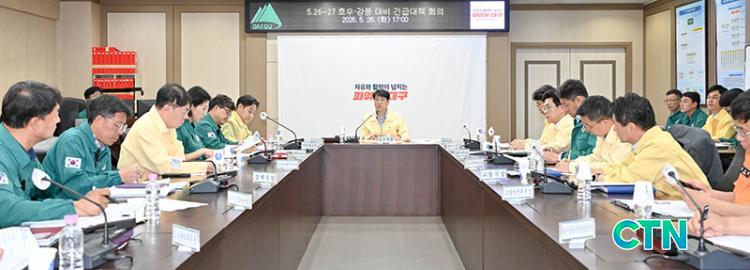
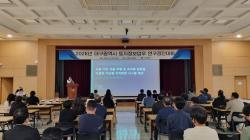
이번 회의는 본격적인 여름철 풍수해 기간을 앞두고 국지성 집중호우와 강풍 등 이상기후 발생 빈도가 증가함에 따라 재난취약시설 전반의 안전관리 실태를 점검하고 선제적 대응체계를 강화하기 위해 마련됐다. 특히 최근 발생한 남구 낙석사고를 계기로 급경사지, 산사태 우려지역, 등산로, 축대·옹벽, 배수시설 등 시민 안전과 직결되는 재난취약시설의 위험요인을 면밀히 살피고 유사 사고 재발방지 대책을 집중 논의했다. 야간이라는 열악한 환경을 가정해 전 공무원과 경찰·소방 인력의 소통망을 점검하고, 재난 안전 교육을 병행해 도내 산사태 대응 거버넌스의 효율성을 다지겠다는 행정적 포석을 전면에 내세웠다.
김 권한대행은 "대구는 전체 면적의 상당 부분이 산지로 이뤄져 있고 수목이 우거진 지형 특성상 강풍과 집중호우 발생 시 암반 낙석과 사면 붕괴 위험이 높다"며 "급경사지와 등산로, 축대·옹벽 등 생활 주변 위험시설에 대해 구·군 책임하에 사전점검을 철저히 하고, 위험요인 발견 즉시 보수·보강이 이뤄질 수 있도록 행정력을 집중하라"고 지시했다. 아울러 지난해 노곡동 침수피해 사례가 반복되지 않도록 노곡동 배수펌프장을 비롯한 주요 배수시설과 펌프장 운영체계에 대한 전수 점검도 주문했다. 특히 장비 작동 상태와 운영 매뉴얼, 비상 대응체계 등을 재확인해 실제 재난 상황에서도 즉시 가동 가능한 대응태세를 갖출 것을 강조했다.
이에 대구시는 집중호우 및 강풍 발생에 대비해 실·국별 책임관리제를 기반으로 분야별 현장점검과 예찰 활동을 강화하고, 위험징후 발견 즉시 현장조치와 통제가 가능하도록 시와 구·군 간 긴밀한 협조체계를 구축할 방침이다. 특히 인명피해 우려가 큰 급경사지, 산사태 우려지역, 옹벽 등 위험시설에 대해서는 사전점검 결과를 토대로 긴급 보수·보강과 응급조치를 신속히 시행하고, 위험도가 높은 지역은 집중관리대상으로 지정해 안전관리 사각지대 해소에 총력을 기울일 계획이다. 아울러 기상특보 발효 시 재난안전대책본부 비상근무 체계를 단계별로 가동하는 등 철저한 대응태세를 유지한다. 이와 함께 시설물별 대피소 지정, 주민대피지원단 운영, 사전 대피훈련 등을 통해 재난 발생 시 신속한 주민 대피체계도 구축할 방침이다.
그러나 지자체가 공공 인프라의 연계와 관계기관 합동 대응을 미디어에 대대적으로 노출하며 가시적인 '적극 행정'의 성과로 상찬하는 이면에는, 산사태 위험의 근본적인 원인 해결을 뒤로한 채 주민들의 '자발적 대피 의식'에만 의존하려는 관료 편의주의적 발상이 도사리고 있다는 지적이 나온다. 일부 지자체가 장마철 직전에 단기 훈련을 열고 마치 관내 취약지역의 방재 준비를 완벽히 끝낸 양 홍보하는 행태는 과거 치적 중심 행정의 전형적인 기조와 맥을 같이한다. 대구시 역시 보도자료를 통해 '야간 상황 가정'이라는 타이틀을 강조하며 대대적인 안전 브랜딩에 나섰으나, 이는 가용한 부처 인력과 관계기관 참여 수치 지표를 내세워 행정의 가시적 성과를 증명하려는 포석에 가깝다는 비판을 피하기 어렵다.
실제로 현장 주민들과 방재 전문가들이 당면한 본질적인 문제는 대피 매뉴얼의 부재가 아니라, 사유지라는 이유로 방치된 산사태 위험 사면의 정비 지연과 지자체의 예산 부족에 따른 영구 방재 시설물 확충의 한계다. 가상 훈련이나 점검은 폭우와 단전, 통신 두절이 동시에 발생하는 실제 야간 재난 상황에서의 혼란을 통계적 수치로만 포장할 위험이 크며, 거동이 불편한 독거노인 등 교통 약자의 실질적인 이송 대책 마련은 빠져 있다는 한계를 지닌다. 당장 기후변화에 따른 극한 호우 리스크는 소외 지역 전반에 상존해 있음에도, 상황실에 모여 재난문자 발송 건수나 대피소 명부 확인 등 일차적인 지표 정산에만 몰두하는 것은 도민 안전 확보라는 당국 본연의 임무에 미치지 못하는 임시방편에 그쳤다는 비판이 지배적이다.
대구시의 이번 발표는 보도자료 배포 이후 마주할 실질적인 사각지대, 즉 야간 대피로의 가로등 미비나 한시적 훈련 종료 후 발생하는 실제 대피소의 구호 물품 비축량 부족 등 현장 중심의 부작용에 대해서는 철저히 함구하고 있다. 단순히 '실전 같은 대응 체계 강화'라는 프레임을 씌우는 홍보 외에, 농어촌 및 산간 오지 주민들이 집중호우 속에서 실질적인 구조 인프라를 보장받을 수 있도록 유도하는 사후 관리 가이드라인은 제시되지 않았다. 대구시는 연례적인 홍보성 대피 행사를 지양하고, 실제 산림 공학 전문가들과 현장 주민들이 위험 요소를 상시 진단하고 사면 보강 예산 배정을 직접 조율할 수 있는 내실 있는 '현장 밀착형 상설 방재 협의체' 구축 등 도민들이 피부로 느낄 수 있는 인프라 보완에 역량을 집중해야 할 것이다.
[영문번역 기사-AI활용]
Kim Jung-gi, Acting Mayor and Administrative Vice Mayor of Incheon Metropolitan City, said, "Protecting the lives and safety of citizens is the top priority of the city administration. During this year's storm and flood season, we will strengthen advance inspections and preparedness postures with the attitude of responding to disasters to an excessive degree, and reorganize the inspection system from scratch to eliminate safety blind spots, concentrating all administrative capabilities on creating a safe Daegu where citizens can rest assured." Daegu Metropolitan City announced that it held an 'Emergency Inspection Meeting for Disaster Vulnerable Facilities in Preparation for Heavy Rain and Strong Winds' on Tuesday, May 26, presided over by Kim Jung-gi, Acting Mayor of Daegu, to prevent safety accidents due to heavy rain and strong winds during summer and to prevent accidents such as the recent rockfall accident in Nam-gu. Instead of the government directly expanding disaster prevention infrastructure or allocating a significant budget for renovating deteriorated retaining walls, it appears to be an approach of gathering personnel from related organizations and compiling visible evacuation procedures as a means of promotion.
This meeting was prepared to inspect the safety management status of general disaster-vulnerable facilities and strengthen the preemptive response system as the frequency of abnormal climate occurrences, such as localized heavy rain and strong winds, increases ahead of the full-fledged summer storm and flood season. In particular, taking the recent rockfall accident in Nam-gu as an opportunity, the participants closely examined risk factors of disaster-vulnerable facilities directly related to citizen safety, such as steep slopes, landslide-prone areas, mountain trails, embankments/retaining walls, and drainage facilities, and intensively discussed measures to prevent the recurrence of similar accidents. The plan laid forward an administrative posture to solidify the efficiency of the provincial maintenance project governance by monitoring the improvement of residential conditions, such as securing resident safety during night hours or vulnerable times, and establishing a cooperative system with related departments and autonomous districts.
Acting Mayor Kim instructed, "A significant portion of Daegu's total area consists of mountainous terrain, and due to the geographical characteristics of thick trees, there is a high risk of bedrock rockfalls and slope collapses when strong winds and heavy rain occur. Under the responsibility of districts and counties, thoroughly conduct advance inspections of hazardous facilities around daily life, such as steep slopes, mountain trails, embankments/retaining walls, and concentrate administrative power so that repairs and reinforcements can be carried out immediately upon discovery of risk factors." In addition, he ordered a full inspection of major drainage facilities and pump station operation systems, including the Nogok-dong drainage pump station, so that the case of inundation damage in Nogok-dong last year would not be repeated. In particular, he emphasized establishing a response posture that can be operated immediately even in actual disaster situations by reconfirming equipment operating conditions, operation manuals, and emergency response systems.
Accordingly, Daegu City plans to strengthen field inspections and precautionary activities for each sector based on the responsible management system by department in preparation for heavy rain and strong winds, and establish a close cooperation system between the city and districts/counties so that on-site actions and controls can be implemented immediately upon discovery of risk signs. In particular, for hazardous facilities with a high concern for human casualties, such as steep slopes, landslide-prone areas, and retaining walls, emergency repairs, reinforcements, and emergency measures will be swiftly implemented based on the results of advance inspections. Areas with high risk will be designated as intensive management targets to exert all efforts into eliminating safety blind spots. In addition, when a weather warning is issued, a thorough response posture will be maintained, such as operating the emergency duty system of the Disaster and Safety Countermeasures Headquarters step by step. Along with this, a swift resident evacuation system will also be established through designating shelters for each facility, operating resident evacuation support teams, and conducting advance evacuation drills.
However, behind the packaging of the local government's integration of public infrastructure and joint response among related organizations loudly exposed to the media as a core achievement of 'active administration' lies a complacent bureaucratic convenience attempting to pass the responsibility of landslide risks onto individual residents' voluntary safety awareness. The practice of some local governments holding short-term drills right before the monsoon season and promoting them as if they have perfectly completed disaster prevention preparations in vulnerable areas within their jurisdiction aligns with the historical pattern of performance-centered administration. Daegu City also engaged in a massive safety branding mobilization using the press release to highlight the title of 'assuming a night situation,' but it is difficult to avoid criticism that this is closer to an administrative move to prove the visible achievements of administration by putting forward available department personnel and statistics of participating organizations.
In reality, the intrinsic problem confronted by frontline residents and disaster prevention experts on-site is not the absence of an evacuation manual, but rather the delayed renovation of landslide-hazardous slopes neglected because they are private lands, and the limitations of expanding permanent disaster prevention facilities due to the local government's budget shortages. Virtual drills or inspections carry a high risk of packaging the chaos during an actual night disaster—where heavy rain, power outages, and communication blackouts occur simultaneously—merely as a statistical index. Furthermore, it faces limitations as practical transportation measures for the mobility-impaired, such as elderly individuals living alone, were omitted. At a time when extreme heavy rain risks due to climate change are constant across underprivileged regions, focusing solely on primary index calculations such as the number of disaster texts sent or shelter roster verifications by gathering at a situation room misses the mark of the competent authority's inherent duty, remaining a mere temporary fix.
The city's current announcement keeps completely silent regarding the practical blind spots that will occur after the press release—such as the lack of streetlights on night evacuation routes, or the shortage of relief supplies stockpiled at actual shelters occurring after temporary drills end. Except for the mere promotion of 'strengthening the response system like actual combat,' a specific post-management guideline to ensure that residents in agricultural, fishing, and isolated mountainous regions can be guaranteed practical rescue infrastructures amid heavy torrential rains was not presented. Daegu City must refrain from showing-off evacuation events and listing annual promotional policies, and concentrate its capabilities first on substantializing a 'field-linked permanent disaster prevention consultation body' where actual forestry engineering experts and local residents can constantly inspect risk factors to directly adjust slope reinforcement budget allocations so that citizens can actually feel it.
 |
이수현 기자 leegikook@hanmail.net
|