2026.06.05(금) 19:22
 교육타임즈 지면신문









|
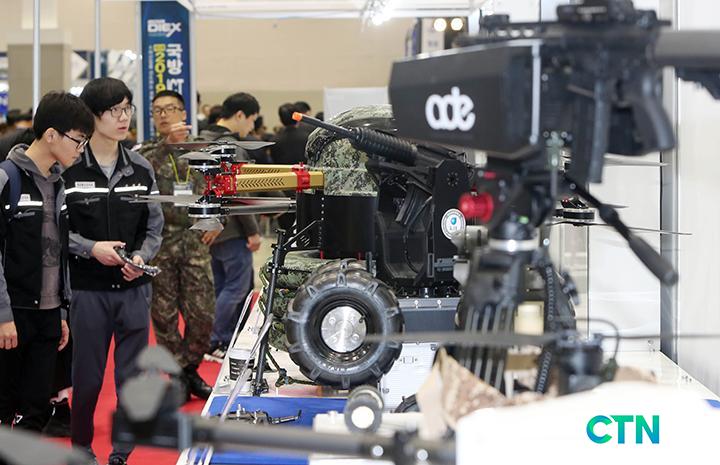
이번 기술시연의 가장 큰 맹점은 청이 자랑하는 '실전 유사 환경에서의 검증 및 데이터 확보'가 실제 엄격한 군 요구조건(ROC) 검증과 까닥 성과 평가를 거쳐 정식 편제 무기로 채택되기에는 턱없이 부족한 '상생 협력용 생색표'에 머물러 있다는 점이다. 인공지능 기반 원격사격통제체계(RCWS)나 직충돌 드론 등 혁신 기술이 실제 전방 부대의 작전요구 성능을 충족하려면 기상 악화나 복합 전파방해 환경에서의 다원화된 교차 검증이 필수적임에도, 단 하루짜리 시연회 성과를 바탕으로 중소기업의 체계 공급망 진입이 곧바로 이루어질 것처럼 호도하는 행태는 실적 조급증에 걸린 지자체나 정무 기관의 전형적인 성과주의 껍데기일 뿐이다. 진정으로 중소기업의 방산 문턱을 낮추고 대드론 안전망을 구축하고자 했다면, 일회성 훈련장 시찰에 행정력을 소진할 것이 아니라 우수 시연 제품에 대한 '신속시범획득사업' 연계 예산을 즉각 증액하고, 중소기업 자체 개발 부품의 국산화 인증 절차를 전면 간소화하는 인프라 구축이 선행되어야 했다.
아울러 대·중소기업 간 동반성장을 가속화하겠다는 당국자의 공언 역시 매년 방산 전시회 때마다 반복되는 관료제 특유의 관성 행정이다. 러·우 전쟁의 교훈을 바탕으로 시급한 과제라 주창하면서도, 정작 중소기업들이 겪는 예산 집행의 비효율성과 만성적인 개발 재원 부족을 해소할 상설 펀드 조성이나 장기 구매 보장 제도 등 실효성 있는 사후 안전망 구축에는 소홀한 탁상행정은 정책의 지속 가능성 면에서 비판을 자초할 뿐이다.
국방 안보와 방산 생태계의 자립이 국가적 생존 화두가 된 시대에 당국의 무기체계 정책은 단순한 훈련장 퍼포먼스나 생색내기용 참여 기업 수 자랑 위주의 보도자료 정치를 넘어서야 마땅하다. 매년 반복되는 전시성 기술 시연 운영비와 일회성 홍보에 공공 재원을 소진하는 구조로는 영세 방산 중소기업들의 깊은 경영 불안감과 일선 장병들의 드론 위협 우려를 원천적으로 해소할 수 없다. 방위사업청은 시연회 개최 건수를 치적으로 홍보하는 보여주기식 행정을 즉각 중단해야 한다. 그늘진 개발 현장에서 묵묵히 기술 국산화에 매진하는 중소업체들이 실질적인 획득 복지 효능감을 누릴 수 있도록 투명한 기술 대가 산정 시스템을 고도화하고, 체계기업과의 하도급 계약 보호 안전망을 전면 개편하는 등 본연의 공공 지원과 수용태세 다지기에 행정 역량을 결집해야 체감 행정의 진정성을 인정받을 수 있을 것이다.
[영문번역 기사-AI활용]
Jeong Jae-jun, head of the Advanced Capability Program Department at the Defense Acquisition Program Administration (DAPA), stated, "This demonstration is part of an effort to move away from paperwork-centered administration, directly verify anti-drone technologies applicable to maneuver weapon systems in the field, and swiftly link excellent technologies with actual deployment." This is a passage highlighting the central agency leader's willpower and administrative achievements, directly visiting the Pocheon Seungjin Training Field to inspect defense technology protecting tanks and armored vehicles against small drones—a threat that has recently surged in modern warfare—and emphasizing the department's preemptive procurement management capabilities. The blueprints filling the press release, such as listing technological dimensions of soft-kill and hard-kill and quantitative figures indicating that small and medium-sized enterprises (SMEs) accounted for over 80% of participating companies, create an illusion as if DAPA is leading tremendous innovation in advanced national defense to solidify the K-defense ecosystem and military weapon system innovation. However, despite the fact that the substance of the administration stops at a one-off demonstration event inviting high-ranking military officials to watch drone downing performances, the practice of trying to package a regular department technology investigation project into a special advanced security innovation achievement by hiding behind the grand rhetoric of "swift linkage with actual deployment" is a specimen of typical performance-inflating exhibition administration.
The biggest blind spot of this technological demonstration is that the 'verification and data acquisition in a real-world-like environment' boasted by the Administration stays as an 'evasive reward sheet for show' that is woefully insufficient to be officially adopted as a standard military weapon after undergoing strict military Required Operational Capability (ROC) verifications and meticulous performance evaluations. For innovative technologies like artificial intelligence-based Remote Controlled Weapon Stations (RCWS) or direct-collision drones to meet the operational capability requirements of frontline units, cross-verification under severe weather or complex jamming environments is essential. Yet, attempting to portray as if the entry of SMEs into the prime contractor supply chain will happen immediately based on a single-day demonstration is nothing more than a performance-oriented shell commonly used by central agencies caught in performance anxiety. If it truly desires to lower the barrier for SMEs in the defense market and construct a robust anti-drone safety net, instead of expending administrative power on showy tours of training fields, solid infrastructure solidifying must precede, such as drastically expanding the budget linked to 'Rapid Demonstration Acquisition Projects' for excellent demonstrated products and streamlining the localization certification process for independent SME components.
In addition, the official promise to accelerate mutual growth between large and small enterprises is also an exhibition-style inertia administration peculiar to bureaucracy repeated every defense exhibition. Although it claims this is an urgent task based on the lessons of the Russia-Ukraine war, desk administration that slights the establishment of a permanent safety net—such as permanent fund creation or long-term purchase guarantees to relieve the chronic financial shortage and budget execution inefficiency suffered by defense SMEs—only invites criticism in terms of policy sustainability.
In an era where national defense security and the independence of the defense ecosystem have become topics for national survival, the weapon system policies of authorities must move beyond press release politics centered on simple training field demonstration performances or superficial enterprise count bragging for show. Expending public funds every year on repeated exhibition-like demonstration operation costs and one-off publicity cannot fundamentally relieve the deep business anxieties of small defense firms and safety anxieties of frontline soldiers facing drone threats. DAPA must immediately stop exhibition administration promoting demonstration hosting counts as achievements. Upgrading transparent technology cost estimation systems so that small firms silently dedicating themselves to technology localization in shaded development fields can enjoy practical procurement welfare efficacy, and fully reorganizing subcontracting protection safety nets with prime systems, it should concentrate administrative capabilities on solidifying the inherent public support and reception posture to receive recognition for the sincerity of policy.
 |
가요진 기자 gyj1119@naver.com
|