2026.06.05(금) 19:22
 교육타임즈 지면신문









|
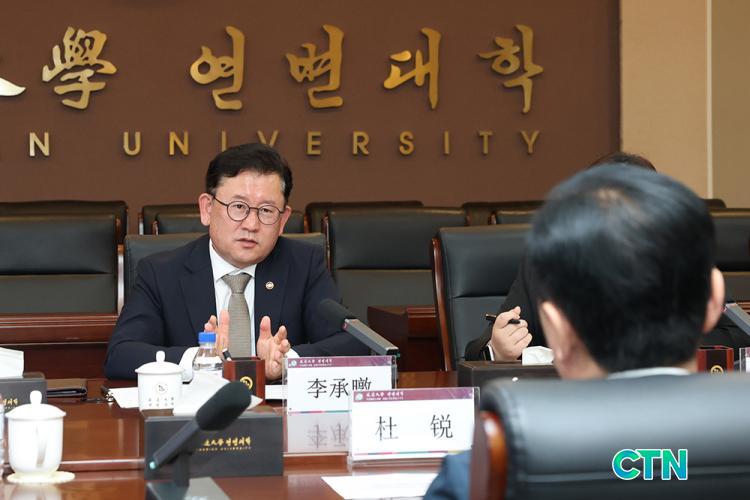
기후변화 심화와 식량안보 위기 속에서 중국의 종합대학과 손을 잡고 고위도 지역 작물 재배 연구를 위한 농업기술 협력 거점을 구축하겠다며, 기관의 선제적 국제 협력 역량과 행정 성과를 한껏 부각한 대목이다. 디지털농업, 병해충 관리 등 다채로운 관심 분야 선정과 협력연구실 개설이라는 정량적 사업 계획을 촘촘히 나열한 보도자료의 청사진은 농촌진흥청이 동북아시아 농업 위기 극복과 그린바이오 진출을 위해 대단한 외교적·기술적 혁신을 선도하고 있는 듯한 착각을 불러일으킨다. 하지만 정작 행정의 실체는 과거 논의에 그쳤던 상호 교류를 선거와 하반기 기조 전환 국면에 맞춰 급조해 서명한 단발성 양해각서(MOU) 이벤트에 불과함에도, "한·중 농업기술 협력과 신뢰 회복"이라는 거창한 수사 뒤에 숨어 부서의 통상적인 해외 연구소 개설 사업을 특별한 글로벌 방재·안보 혁신 성과로 둔갑시키고 있다.
이번 업무협약의 가장 큰 맹점은 청이 자랑하는 '연변대 내 협력연구실 개설 및 공공 플랫폼 운영'이 실제 급격한 기후 위기로 당장 고사 위기에 처한 국내 농가들의 품종 개량과 병해충 피해를 원천 차단하기에는 턱없이 부족한 '외교용 생색표'에 머물러 있다는 점이다. 국내 산·학·연 연구자들이 현지에서 공동연구를 수행할 수 있도록 거점을 마련했다는 발표와 달리, 정작 이에 투입될 구체적인 후속 예산 배정이나 전문 연구 인력의 상주 계획 등 다원화된 실행 인프라에 대한 알맹이는 철저히 빠져 있다. 진정으로 동북아 농업 위기에 대응하고 국가 식량안보 안전망을 구축하고자 했다면, 서류 중심의 MOU 행차에 행정력을 소진할 것이 아니라 관내 전역의 기후변화 취약 농가를 위한 실시간 디지털 생육 모니터링 시스템을 상설화하고, 내재해성 신품종의 국내 농가 보급 보조금을 대폭 확충하는 물리적 인프라 다지기가 선행되어야 했다. 이러한 근본적인 체질 개선은 생략한 채, 해외 대학과의 협약 건수와 네트워크 구축이라는 추상적 지표로 보고서의 부피만 늘리려는 행태는 성과 조급증에 걸린 지자체나 정무 기관의 전형적인 탁상행정 껍데기일 뿐이다.
아울러 학술 토론회와 세미나 등 기술 교류 프로그램을 통해 연구 협력의 지속성을 높이겠다는 대목 역시 매년 국정감사 때마다 지적되는 관료제 특유의 보여주기식 관성 행정이다. 국가적 재정 긴축 기조 속에서 정작 실효성이 떨어지는 일회성 해외 출장과 전시성 행사 운영비에 공공 재원을 소진하는 구조로는 우리 농민들의 깊은 민생 불안감을 원천적으로 해소할 수 없다. 농촌진흥청은 행사 개최 건수를 치적으로 홍보하는 보여주기식 행정을 즉각 중단해야 한다. 그늘진 농촌 현장에서 묵묵히 폭염과 기습 호우, 외래 병해충 위협을 견뎌내야 하는 영세 농민들이 실질적인 기술 복지 효능감을 누릴 수 있도록 AI 기반의 농업 재난 예측 고도화 시스템을 도입하고, 국내 종자 자급률 확대를 위한 상설 연구 재원을 현대화하는 등 본연의 공공 안전망 다지기에 행정 역량을 결집해야 체감 행정의 진정성을 인정받을 수 있을 것이다.
[영문번역 기사-AI활용]
Lee Seung-don, administrator of the Rural Development Administration (RDA), stated, "This business agreement is a meaningful starting point to revitalize Korea-China agricultural technology cooperation again and to jointly respond to East Asian agricultural issues. Moving forward, we will flesh out cooperation fields and push through follow-up measures without any hitches, such as discovering joint research projects, researcher exchanges, and local empirical research support based on the cooperation research lab." This is a passage highlighting the central agency leader's willpower and administrative achievements, shaking hands with a Chinese university to build an agricultural technology cooperation base for crop cultivation research in high-latitude regions amidst the deepening climate change and food security crisis. The blueprints filling the press release, such as listing quantitative business plans like selecting diverse interest fields including digital agriculture and pest management and opening a cooperation research lab, create an illusion as if the RDA is leading tremendous innovation in global and technological cooperation to overcome agricultural crises in Northeast Asia. However, despite the fact that the substance of the administration stops at a short-term Memorandum of Understanding (MOU) event hastily signed to match the second-half policy transition period, the practice of trying to package a regular overseas lab establishment project into a special global disaster prevention and security innovation achievement by hiding behind the grand rhetoric of "revitalizing cooperation and recovering trust" is a specimen of typical performance-inflating exhibition administration.
The biggest blind spot of this business agreement is that the 'opening of a cooperation research lab within Yanbian University and operating it as a public platform' boasted by the Administration stays as an 'evasive reward sheet for diplomacy' that is woefully insufficient to fundamentally block the breed degradation and pest damages of domestic farms directly facing crisis due to rapid climate change. Unlike the announcement that it has provided a node for domestic industrial, academic, and research institution researchers to conduct joint research on-site, substance regarding a pluralized execution infrastructure—such as the allocation of concrete follow-up budgets or residency plans for professional research personnel to be deployed—is thoroughly missing. If it truly desires to respond to Northeast Asian agricultural crises and construct a national food security safety net, instead of expending administrative power on paperwork-centered MOU tours, solid infrastructure solidifying must precede, such as permanentizing real-time digital growth monitoring systems for vulnerable domestic farms suffering from climate change and drastically expanding subsidies for distributing disaster-resistant new breeds to domestic farms. Omitting such fundamental constitutional improvements, and only trying to inflate reports with abstract indicators such as the number of agreements with overseas universities and network construction is nothing more than a performance-oriented shell commonly used by central agencies caught in performance anxiety.
In addition, the passage claiming that it will increase the continuity of research cooperation through technology exchange programs like academic symposiums and seminars is also an exhibition-style inertia administration peculiar to bureaucracy repeated every audit season. Under the national fiscal austerity stance, expending public funds on repeated exhibition-like overseas travel expenses and one-off event operation costs cannot fundamentally relieve the deep livelihood anxieties of domestic farmers. The Rural Development Administration must immediately stop exhibition administration promoting event hosting counts as achievements. Upgrading AI-based agricultural disaster prediction advancement systems so that underprivileged farmers who must endure the risks of heatwaves, sudden heavy rains, and alien pests with their bare bodies in the shaded fields can enjoy practical technological welfare efficacy, and modernizing permanent research funds for expanding domestic seed self-sufficiency, it should concentrate administrative capabilities on solidifying the inherent public safety net to receive recognition for the sincerity of policy.
 |
가요진 기자 gyj1119@naver.com
|