2026.06.10(수) 15:06
 교육타임즈 지면신문









|
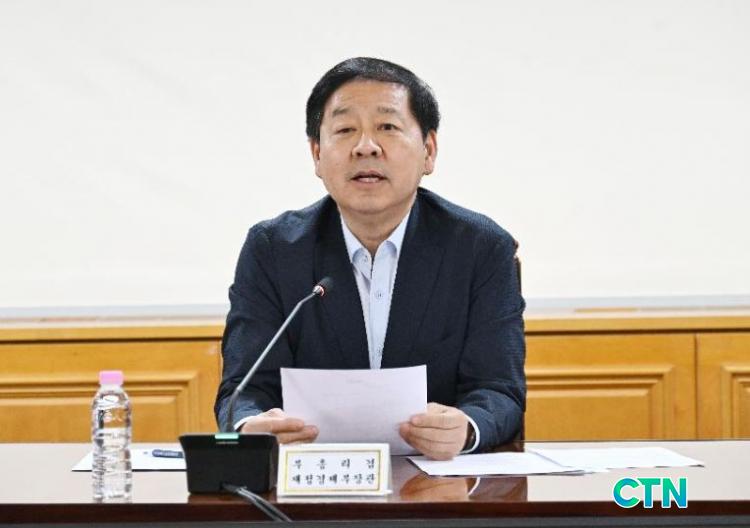
이날 참석자들은 반도체 산업의 이익 전망 상향과 경상수지 흑자 확대 등 우리 경제의 펀더멘털은 견고하다고 평가하면서도, 주말 사이 중동 긴장 고조와 미국의 금리 인상 전망이 맞물려 원/달러 환율이 빠르게 상승했다고 진단했다. 특히 외국인 투자자의 차익실현 외에 일부 투기적 거래가 쏠림 현상을 가속화하고 있다는 데 인식을 같이했다. 이에 따라 당국은 지나친 환율 변동성을 용인하지 않기로 하고, 역외 NDF(차액결제선물환) 파생상품 거래의 투명성을 높이는 한편 이를 국내 외환시장으로 흡수하는 방안을 마련하기로 했다. 아울러 환율 약세에 편승한 시장교란 행위는 한은과 금감원 검사를 통해 엄단하고, 수출입 기업들의 불법적인 대금 지급·수령 지연(Lead&Lag) 행위도 불법 외환거래 대응반을 통해 집중 조사할 방침이다.
외환 당국이 주말 사이 급변한 글로벌 정세를 반영해 휴일임에도 긴급 전열을 정비하고, 구두 개입을 넘어 역외 투기 세력과 불법 외환거래를 정조준한 구체적인 통제 카드를 꺼내 든 것은 시장의 심리적 불안을 잠재우기 위한 적시성 있는 행보로 읽힌다. 특히 외환 변동성의 온상으로 지목되던 역외 NDF 거래를 국내 시장으로 유도하겠다는 대책이나 기업들의 대금 결제 시점 조작을 단속하겠다는 구체적 가이드라인은 투기 세력의 일방향 쏠림에 강력한 경고 시그널을 보냈다는 점에서 시장 안정 효과가 기대된다.
다만 이 같은 인위적인 시장 통제와 미시적 단속 중심의 대응이 중동전쟁 확전 가능성이나 미국의 고금리 장기화라는 거대한 대외적 매크로(거시경제) 압력을 근본적으로 상쇄할 수 있을지는 미지수다. 환율 상승의 본질이 국내 수급보다 글로벌 달러 강세라는 가파른 대외 환경 변화에 기인한 만큼, 국내 증시의 외국인 자금 이탈이나 수출입 기업의 심리적 위축을 행정력만으로 억누르기엔 한계가 따르기 때문이다. 투기 단속이라는 소극적 방어 기제에만 머무를 것이 아니라, 증시 규모 확대에 따른 외환 시장의 파급 효과를 제어할 수 있는 고도화된 거시건전성 규제 체계를 재정비하고, 대외 충격에 취약한 환율 구조를 개선하기 위한 산업 포트폴리오의 체질 개선 등 본질적인 리스크 관리 시스템을 구축해야 하는 난제를 안고 있다.
[영문번역 기사-AI활용]
Goo Yun-chul, Deputy Prime Minister and Minister of Fiscal Economy, stated, "As market volatility could rise again depending on the development of the Middle East war and U.S. inflation trends, we will monitor market conditions with a 24-hour high level of alertness. We will swiftly push forward the measures prepared today in cooperation with relevant institutions." Deputy Prime Minister Goo held a joint 'Emergency Market Situation Review Meeting' with heads of relevant institutions, including Bank of Korea Governor Shin Hyun-song, Financial Services Commission Chairman Lee Eok-won, and Financial Supervisory Service Governor Lee Chan-jin, at the Korea Federation of Banks building to check recent domestic and international financial and foreign exchange market trends and discuss response directions.
On this day, participants assessed that the fundamentals of our economy remain solid, with profit outlooks for the semiconductor industry being continuously revised upward and the current account surplus expanding. However, they diagnosed that the KRW/USD exchange rate rose rapidly over the weekend, reflecting escalating tensions in the Middle East and prospects of a U.S. interest rate hike. In particular, they shared the view that along with profit-taking by foreign investors, some speculative transactions accelerated the herd behavior. Accordingly, authorities agreed not to tolerate excessive exchange rate volatility, to enhance the transparency of offshore NDF (Non-Deliverable Forward) derivatives trading, and to prepare measures to absorb it into the domestic foreign exchange market. Furthermore, speculative movements exploiting the weakening of the won will be strictly dealt with through inspections by the BOK and FSS, and illegal lead-and-lag trading by import and export companies will also be intensively investigated through the illegal foreign exchange transaction response team.
The foreign exchange authorities' swift mobilization on a weekend to reorganize lines and present concrete control cards targeting offshore speculative forces and illegal foreign exchange trading, rather than relying on mere verbal intervention, is interpreted as a timely move to soothe market anxiety. In particular, the plan to induce offshore NDF trading into the domestic market, which has been pointed out as a hotbed for foreign exchange volatility, and the guideline to crack down on manipulation of payment timing by companies sent a strong warning signal to speculative forces, raising expectations for market stabilization.
However, it remains uncertain whether such artificial market control and micro-focused crackdowns can fundamentally offset massive macro-economic pressures like the potential expansion of the Middle East war or prolonged high interest rates in the U.S. Since the essence of the exchange rate surge stems from sharp changes in the external environment, namely global dollar strength rather than domestic supply and demand, there are limits to suppressing foreign capital outflows from the domestic stock market or the psychological contraction of import and export companies purely through administrative power. Rather than remaining confined to passive defensive mechanisms like cracking down on speculation, authorities face the task of reshaping advanced macroprudential regulatory systems to control the ripple effects of stock market expansion on the foreign exchange market, and establishing a fundamental risk management system, such as structural transformation of the industrial portfolio vulnerable to external shocks.
 |
가요진 기자 gyj1119@naver.com
|