2026.05.30(토) 10:51
 교육타임즈 지면신문









|
가장 심각한 맹점은 해수부가 제시한 통계 수치 자체가 그간의 안전 관리 공백을 증명하고 있음에도, 대책의 내용은 과거 실패한 정책들의 진부한 짜깁기에 그쳤다는 점이다. 해수부 자료에 따르면 여름철 안전사고 인명 피해는 2023년 11명에서 2024년 15명, 지난해 23명으로 불과 2년 만에 2배 이상 폭증했다. 이처럼 현장의 위험 신호가 매년 고조되었음에도 불구하고, 올해 내놓은 대책 역시 '안전장비 착용하기 운동', '민관 합동훈련', '일제 점검' 등 매년 여름철마다 보도자료 타이틀만 바꿔 달고 나오는 단발성 대책을 그대로 답습했다. 인명 피해 폭증 원인에 대한 정밀한 분석이나 선박 노후화, 현장 인력 부족 등 구조적 문제를 해결할 예산 투입 계획은 전무한 실정이다.
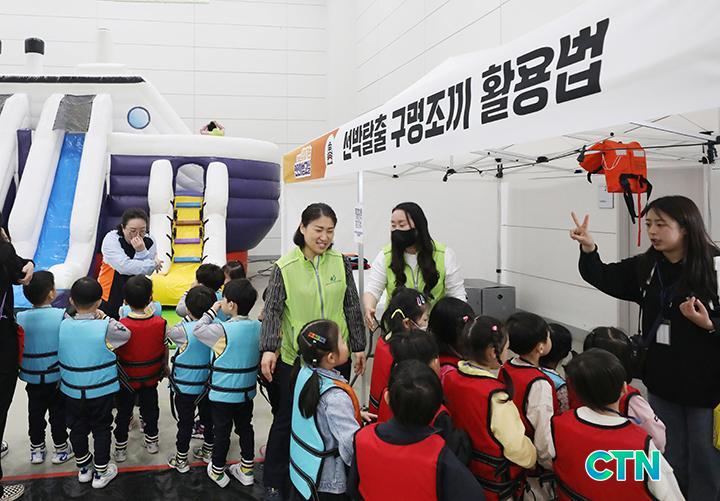
특히 오는 7월 1일부터 시행되는 어선원 구명조끼 상시 착용 전면 의무화를 두고 해수부가 전개하겠다는 '가족 참여형 캠페인'은 현장의 냉소를 자아내고 있다. 어업인들이 자녀와 함께 구명조끼를 착용하는 사진을 접수해 경품을 주겠다는 발상은, 목숨을 담보로 거친 바다에서 일하는 해양수산 현장 노동자들의 현실을 전혀 모르는 탁상행정의 극치다. 좁은 어선 내부나 양망기 작업 중 구명조끼 착용이 유발하는 작업 방해 요소를 제거할 수 있는 '맞춤형 편의 장비 보급'이나 조업 환경 개선 등의 근본적 대안은 생략됐다. 대신 "미착용 시 과태료 3백만 원 부과"라는 행정 편의주의적 압박과 전시성 사진 공모전으로 치적을 포장하는 데 급급한 모양새다.
결국 해양수산부의 이번 여름철 예방대책은 알맹이가 빠진 성과주의 복지·안전 행정의 전형이다. 여객선 150척, 낚시어선 200여 척을 단 몇 달 사이에 합동 점검하겠다는 수치 위주의 계획 역시 수박 겉핥기식 육안 검사에 그칠 가능성이 농후하다. 정부는 보여주기식 경품 이벤트나 과태료 단속을 통한 실적 쌓기를 즉각 중단해야 한다. 대신 열악한 영세 어선원들에게 작업용 기능성 구명 장비를 전면 무상 보급하고, 실시간 해상 추락 감지 시스템 등 실질적인 안전 인프라 구축에 행정력과 예산을 집중 투입해야 마땅하다.
[영문번역 기사-AI활용]
Hwang Jong-woo, Minister of Oceans and Fisheries, urged, "Recently, casualties caused by falling into the sea during the summer season are rapidly increasing. As a life jacket is the most basic safety equipment to protect lives in an emergency, I hope that the public, as well as fishermen, vessel workers, anglers, and marine leisure users, will definitely wear life jackets." This is the minister's stance on the Ministry of Oceans and Fisheries announcing the 'Summer Marine Accident Prevention Measures' consisting of simultaneous inspections of multi-use vessels and life jacket wearing campaigns to mark the summer season when marine fishing and leisure activities are concentrated. However, it is difficult to avoid harsh criticism that it is a 'belated administration' that sat idle while casualties surged sharply over the past few years and then hurriedly came up with measures only when the peak accident season arrived, and a 'showy public relations campaign' lacking field effectiveness.
The most serious blind spot is that although the statistical figures presented by the Ministry of Oceans and Fisheries themselves prove the gap in safety management so far, the content of the measures is merely a cliché patchwork of past failed policies. According to the ministry's data, the number of casualties from summer safety accidents surged from 11 in 2023 to 15 in 2024 and 23 last year, more than doubling in just two years. Despite the fact that danger signals in the field have heightened every year, the measures presented this year also copied one-off measures that come out every summer season by only changing the titles of press releases, such as the 'safety equipment wearing movement,' 'private-public joint drills,' and 'simultaneous inspections.' Precise analysis of the cause of the surge in casualties or budget investment plans to solve structural problems such as vessel aging and lack of field personnel are entirely absent.
In particular, the 'family participatory campaign' that the ministry claims it will deploy regarding the mandatory wearing of life jackets by fishermen, which takes effect on July 1, is drawing cynicism from the field. The idea of receiving photos of fishermen wearing life jackets with their children and giving away prizes is the epitome of desk administration detached from the reality of marine fisheries workers who work in rough seas at the risk of their lives. Fundamental alternatives, such as 'supplying customized convenient equipment' or improving the working environment to remove obstacles caused by wearing life jackets inside narrow fishing boats or during net-hauling operations, were omitted. Instead, it seems eager to package achievements with administrative convenience-oriented pressure of "a fine of up to 3 million won for non-compliance" and an exhibitionary photo contest.
In the end, these summer prevention measures by the Ministry of Oceans and Fisheries are typical of a hollow, performance-oriented welfare and safety administration. The plan to jointly inspect 150 passenger ships and 200 fishing boats within just a few months is also highly likely to end up as a superficial visual inspection centered on numbers. The government must immediately stop performance building through showy prize events or crackdowns on fines. Instead, it should fully provide functional life-saving equipment for work to poor petty fishermen free of charge and concentrate administrative power and budget on building practical safety infrastructure such as real-time fall detection systems.
 |
가요진 기자 gyj1119@naver.com
|