2026.06.02(화) 01:21
 교육타임즈 지면신문









|
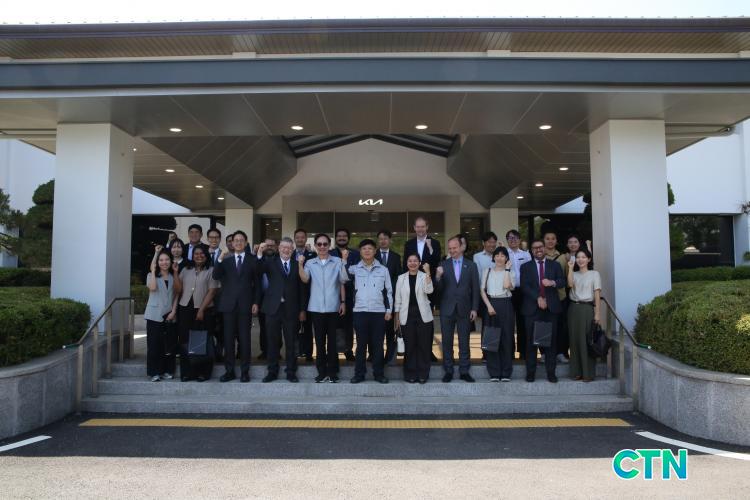
국내의 첨단 친환경 제조 공정과 자발적 태양광 모델을 외교 무대에 올려 K-에너지의 위상을 높였다는 정부 측의 자화상이다. 주한외교단을 상대로 한 나열식 견학 일지가 공무원들의 보고서 위를 화려하게 장식했을지는 모르겠다. 하지만 글로벌 기업들이 맞닥뜨린 국내 재생에너지 조달의 가혹한 현실을 가린 채, 잘 짜인 쇼룸만 보여주는 일회성 투어 공세로 국제협력의 실실적인 물꼬를 틀 수 있을지는 의문이다.
이번 시찰의 가장 뼈아픈 맹점은 외교부가 주한외교단에게 보여준 화려한 'RE100 전시장'이 정작 국내 제조업계가 처한 사막 같은 현실과 심각하게 동떨어져 있다는 점이다. 기아 오토랜드가 건식 부스로 탄소 배출을 20% 줄이고 유휴 국유지에 50MW 규모의 태양광을 깐다 하더라도, 이는 국내 전체 재생에너지 공급 부족을 해결하기엔 조족지혈에 불과하다. 시화 스틸랜드의 지붕형 태양광 역시 모범 사례로 치켜세워졌지만, 한전의 송배전망 포화 문제와 이격거리 규제 등 알맹이 빠진 제도적 규제 장벽에 막혀 대다수 중소·중견기업들은 RE100 이행에 엄두도 내지 못하고 있다. 이러한 구조적 모순은 덮어둔 채, 외교관들을 버스에 태워 유통단지 옥상과 최신식 공장만 보여주는 것은 국가적 에너지 안보 공백을 가리기 위한 눈속임에 가깝다.
게다가 2012년부터 시작해 원전, 배터리, 해상풍력으로 해마다 간판만 바꿔 달며 이어온 외교부의 '산업 시설 시찰'이 과연 유관 기업의 실질적인 수출이나 수주로 연결되었는지에 대한 냉정한 성적표는 어디에도 없다. 이번에도 15개국 16명의 외교단이 높은 관심을 보였다는 생색내기식 수치만 앞세웠을 뿐, 이 관심이 어떻게 국가 간 에너지 정책 공조나 통상 협력으로 이어질지에 대한 구체적인 포스트 시나리오는 보이지 않는다. 외교관들에게 일방적인 기술 설명회를 제공하는 연례행사성 이벤트로는 글로벌 공급망 재편이라는 거대한 파도 속에서 우리 기업들의 생존권을 보장할 수 없다.
결국 외교부의 이번 주한외교단 초청 시찰은 내실보다는 외형적 성과와 홍보 건수 확보에 안주하는 전시 행정의 표본이다. 보여주기식 친환경 인프라 투어와 일회성 보도자료 배포만으로는 한국의 청정에너지 산업 역량을 세계에 각인시킬 수 없다. 외교부는 외교관들을 동원해 '에너지 대전환'을 달성한 것처럼 포장하는 언론 플레이를 즉각 중단해야 한다. 대신 국내 유관 부처와 협력해 기업들이 재생에너지를 안정적이고 저렴하게 조달할 수 있는 제도적 기반부터 다져야 한다. 나아가 시찰에 참여한 국가들과 실제 청정수소 공급망이나 글로벌 RE100 표준 정립을 위한 실질적인 정부 간(G2G) 통상 협상 테이블을 구축하는 데 외교력을 집중해야 마땅하다.
[영문번역 기사-AI활용]
The Ministry of Foreign Affairs evaluated that this industrial inspection served as an opportunity to widely promote South Korea's renewable energy industry capabilities and promote the expansion of international cooperation by directly publicizing the sites of energy transition in terms of both supply and demand, namely electric vehicle production and industrial complex solar power generation, amid the government's full-scale promotion of energy transition. It added that it will continue to prepare opportunities for expanding international cooperation in the clean energy sector and actively support the export and order receipt of related companies. This is the government's self-portrait that it has raised the status of K-energy on the diplomatic stage by putting domestic advanced eco-friendly manufacturing processes and voluntary solar power models on the line. A list-style tour log for the diplomatic corps in Korea may have beautifully decorated the public officials' reports. However, it is questionable whether a one-off tour offensive that shows only a well-structured showroom, while masking the harsh reality of domestic renewable energy procurement faced by global companies, can open a practical breakthrough for international cooperation.
The most painful blind spot of this inspection is that the flashy 'RE100 showroom' shown by the Ministry of Foreign Affairs to the diplomatic corps in Korea is seriously detached from the desert-like reality faced by the domestic manufacturing industry. Even if Kia AutoLand reduces carbon emissions by 20% with dry booths and installs up to 50MW of solar power on idle state-owned land, this is just a drop in the bucket to solve the overall shortage of renewable energy supply in South Korea. Sihwa SteelLand's rooftop solar power was also praised as an exemplary case, but blocked by structural regulatory barriers such as KEPCO's grid saturation problem and separation distance regulations, the vast majority of small and medium-sized enterprises cannot even think of implementing RE100. Covering up these structural contradictions and putting diplomats on a bus to show them only the rooftops of distribution complexes and state-of-the-art factories is close to an optical illusion to cover up the national energy security vacuum.
Furthermore, there is no cold report card anywhere on whether the Ministry of Foreign Affairs' 'industrial facility inspection,' which has continued every year since 2012 by changing only the signboards to nuclear power, batteries, and offshore wind power, has actually led to practical exports or order receipts for related companies. This time, too, it put forward only superficial figures that 16 diplomats from 15 countries showed high interest, but a concrete post-scenario on how this interest will lead to energy policy coordination or trade cooperation between nations is invisible. An annual event-style event that provides a one-way technical briefing to diplomats cannot guarantee the survival of our companies amid the huge wave of global supply chain reorganization.
In the end, this inspection inviting the diplomatic corps in Korea by the Ministry of Foreign Affairs is a specimen of exhibition administration complacent only in external achievements and securing promotion numbers. A showy eco-friendly infrastructure tour and one-off press release distribution alone cannot imprint Korea's clean energy industry capabilities on the world. The Ministry of Foreign Affairs must immediately stop media play that packages the 'energy transition' as if it has been achieved by mobilizing diplomats. Instead, it should cooperate with relevant domestic ministries to lay the institutional foundation for companies to procure renewable energy stably and affordably. Furthermore, it should concentrate its diplomatic power on building a practical government-to-government (G2G) trade negotiation table for establishing a clean hydrogen supply chain or global RE100 standards with the countries that participated in the inspection.
 |
가요진 기자 gyj1119@naver.com
|