2026.05.30(토) 10:51
 교육타임즈 지면신문









|
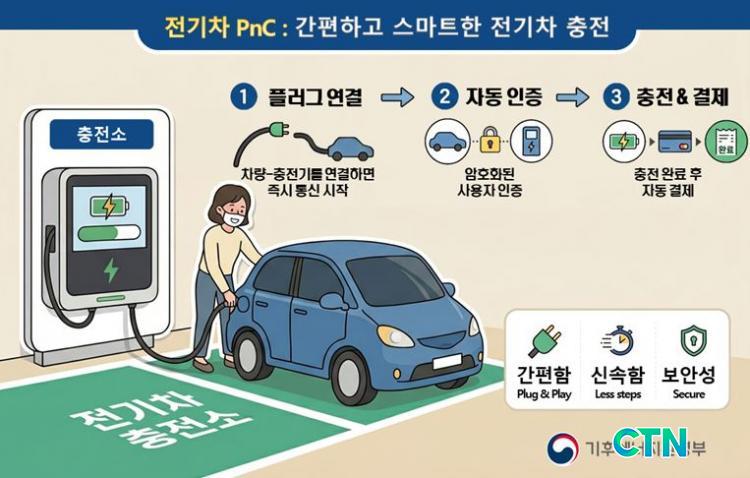
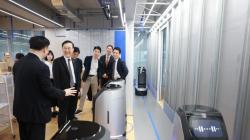
기후에너지환경부가 한국환경공단, 현대자동차그룹과 손잡고 전기차 충전 편의를 개선하겠다며 "전기자동차 자동 충전·결제서비스(PnC) 인증체계 구축을 위한 실무협의"에 착수한 것에 대한 정부의 자평이다. 그러나 이는 당장 실현 가능한 완성된 기술을 도입하는 것이 아니라, 이제 겨우 첫발을 떼는 실무협의 단계를 두고 마치 당장 내일이라도 혁신이 일어날 것처럼 포장한 전형적인 "보여주기식 생색내기 행정"이라는 비판이 매섭다.
가장 심각한 맹점은 이번 발표가 알맹이 없는 "계획의 계획"에 불과하다는 점이다. 정부는 디지털 인증서와 암호화키를 활용한 공공 자동 충전·결제 통합 인증시스템(PKI)을 마련하겠다고 호언장담했다. 하지만 정작 현재 직면해 있는 수많은 민간 충전 사업자들과의 호환성 문제나 노후화된 기존 충전기들의 하드웨어 교체 비용 부담 등에 대해서는 구체적인 예산 책정이나 해결책을 전혀 제시하지 못하고 있다. 제조사마다 다른 전기차와 충전기 간의 통신 규격을 하나로 통합하고 해킹 위험을 원천 차단하는 것은 고도의 기술적 난제임에도, 철저한 사전 검증 없이 협의 개시 사실 자체를 대대적인 치적으로 둔갑시켰다.
또한 정부가 제시한 시범 적용 시점 역시 전형적인 실적 조급증의 산물이다. 오는 9월 말까지 고속도로 휴게소 위주의 공공 급속충전기 등을 중심으로 시스템을 일부 시범 적용하겠다고 밝혔으나, 이는 전체 전기차 이용자들의 수요에 턱없이 부족한 생색내기용 물량에 그칠 가능성이 높다. 준비되지 않은 서설을 급하게 밀어붙이다가 충전 오류나 결제 보안 사고가 발생할 경우, 그 불편과 피해는 고스란히 전기차를 이용하는 국민들의 몫으로 돌아오게 된다. 케이블만 꽂으면 된다는 단순한 편리함만을 부각해 정작 중요한 시스템의 안정성과 보안성 검증이라는 본질을 흐리고 있는 셈이다.
결국 기후에너지환경부의 이번 PnC 인증체계 구축 발표는 실질적인 인프라 개선보다는 단기적인 성과 수치를 만들어내기 위한 전시성 홍보전에 가깝다. 회원 카드나 신용카드를 꺼내는 번거로움을 줄이겠다는 감성적인 접근법으로는 복잡한 전기차 충전 인프라의 구조적 문제를 해결할 수 없다. 정부는 생색내기용 단기 시범 도입에 집착할 것이 아니라, 다양한 민간 기업들과의 실효성 있는 상생 협력 모델을 먼저 구축하고 대대적인 보안 기술 검증에 예산과 행정력을 우선 투입해야 한다.
[영문번역 기사-AI활용]
The Ministry of Climate, Energy and Environment stated that through this consultation, it plans to derive an optimization plan for the automatic charging and payment integrated authentication system, and also prepare a technical verification work plan such as encrypted communication to secure compatibility between various vehicle models and chargers and prevent hacking. This is the government's self-evaluation on starting a working-level consultation to build an electric vehicle automatic charging and payment service (PnC) authentication system in cooperation with the Korea Environment Corporation and Hyundai Motor Group to improve electric vehicle charging convenience. However, harsh criticism is rising that this is a typical "showy and show-off administration" that packages the start of a working-level consultation step as if an innovation will happen tomorrow, rather than introducing a completed technology that can be realized immediately.
The most serious blind spot is that this announcement is nothing more than a hollow "plan for a plan." The government confidently declared that it would prepare a public automatic charging and payment integrated authentication system (PKI) utilizing digital certificates and encryption keys. However, it fails to present any specific budget allocation or solutions for the compatibility problems with numerous private charging operators currently faced, or the burden of hardware replacement costs for aging existing chargers. Integrating communication standards between electric vehicles and chargers, which differ by manufacturer, and fundamentally blocking hacking risks are highly technical difficulties, yet the city transformed the fact of starting the consultation itself into a massive achievement without thorough prior verification.
In addition, the timing of the trial application presented by the government is also the product of typical anxiety over performance. It announced that it would partially apply the automatic charging and payment system centering on public rapid chargers mainly at highway rest areas by the end of this September, but this is highly likely to end up as a showy volume that falls short of the demand of all electric vehicle users. If charging errors or payment security accidents occur while rushing an unprepared system, the inconvenience and damage will be borne entirely by the citizens using electric vehicles. By highlighting only the simple convenience of plugging in the cable, it is blurring the essence of system stability and security verification.
In the end, this announcement of building a PnC authentication system by the Ministry of Climate, Energy and Environment is close to an exhibitionary public relations campaign to create short-term performance figures rather than substantial infrastructure improvement. An emotional approach to reduce the hassle of taking out a membership card or credit card cannot solve the structural problems of complex electric vehicle charging infrastructure. The government must not cling to showy short-term trial introductions, but first build an effective win-win cooperation model with various private companies and prioritize budget and administrative power into large-scale security technology verification.
 |
가요진 기자 gyj1119@naver.com
|