2026.05.30(토) 10:51
 교육타임즈 지면신문









|
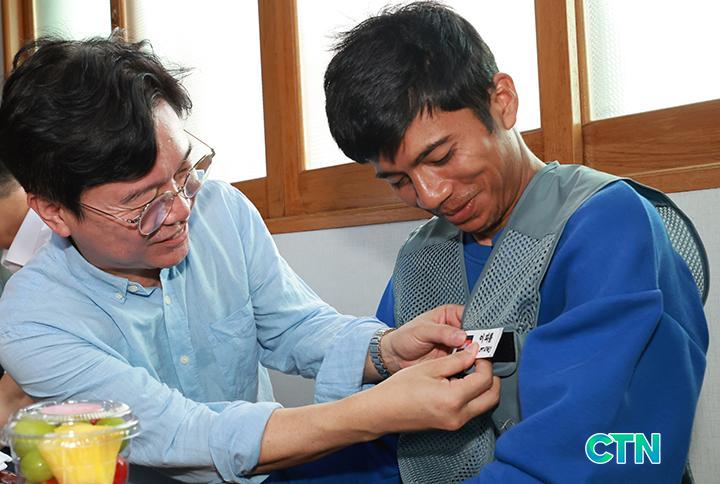
가장 심각한 맹점은 이번 캠페인이 현장의 본질적인 노동권익 향상과는 거리가 먼 단발성 이벤트라는 점이다. 고용부는 산업현장의 '야, 너' 등의 호칭을 개선하는 것이 이주노동자를 동료로 존중하는 문화의 핵심인 양 호도하고 있다. 하지만 이주노동자들이 진정으로 원하는 것은 안전모에 이름을 새겨주는 겉치레가 아니라, 생존을 위협하는 위험천만한 작업 환경의 개선과 부당한 대우를 당했을 때 자유롭게 사업장을 변경할 수 있는 법적·제도적 권리 보장이다. 알맹이 없는 호칭 개선 운동은 노동 현장의 구조적 불평등과 인권 침해 현실을 은폐하는 면죄부로 작용할 뿐이다.
또한 이번 행사가 지난 4월 울산에 이어 6월 경북 등 '전국 순회성 실적 쌓기'로 기획되었다는 점도 문제다. 고용노동부 공무원들과 재단 관계자들이 전국을 돌며 100여 명씩 모아놓고 사진 찍기용 행사를 반복하는 것은 전형적인 예산 낭비이자 보여주기식 성과주의다. 정작 고용노동부가 집중해야 할 외국인 노동자 고용사업장에 대한 근로감독 확대나 불법 건축물 숙소 단속, 미지급 임금 구제 등 사법적·행정적 본연의 의무는 뒤로한 채, 민간 재단들을 동원한 캠페인성 홍보전으로 치적을 포장하는 데 급급한 모양새다.
결국 고용노동부의 이번 노동존중 캠페인은 이주노동자 인권이라는 무거운 사회적 과제를 가벼운 문화 개선 운동으로 격하시킨 촌극이다. 이름이 적힌 안전모 하나가 현장의 뿌리 깊은 차별과 열악한 노동 환경을 바꿀 수는 없다. 정부는 생색내기용 전국 순회 행사를 즉각 중단하고, 외국인 근로자의 생명과 직결된 안전 인프라 구축에 예산을 우선 투입해야 한다. 아울러 헌법과 국제 기준에 부합하는 이주노동자 고용허가제 개편 등 근본적인 제도적 해법을 마련하는 전향적인 행정으로 복귀해야 한다.
[영문번역 기사-AI활용]
Son Pil-hoon, head of the Planning and Coordination Office of the Ministry of Employment and Labor, emphasized, "In order to create a workplace where migrant workers can work safely while being respected, improving awareness in the field is more important than anything else. The Ministry of Employment and Labor, along with the labor rights foundations, will continue to make efforts to ensure that a culture of mutual respect takes root in industrial sites." This is the government's self-evaluation of the so-called 'Migrant Workers' Labor Respect Campaign,' in which the Ministry of Employment and Labor collaborated with four labor rights foundations in Gwangju Metropolitan City to hand out hard hats engraved with names to migrant workers and call for the improvement of the titles used. However, harsh criticism is rising that this is an 'emotional exhibition administration' that is nothing more than a flashy wordplay on the surface, while ignoring structural and critical threats faced by migrant workers, such as wage theft, poor housing environments, and risks of severe industrial disasters.
The most serious blind spot is that this campaign is a one-off event far removed from improving substantial labor rights in the field. The ministry is misleading the public as if improving titles such as 'Hey, you' at industrial sites is the core of a culture of respecting migrant workers as colleagues. However, what migrant workers truly want is not the superficiality of engraving names on hard hats, but the improvement of dangerous working environments that threaten their survival, and the institutional guarantee of the right to change workplaces freely when subjected to unfair treatment. The hollow title improvement movement only acts as an indulgence that covers up the structural inequality and reality of human rights violations in the labor market.
In addition, it is problematic that this event was planned as a 'nationwide circuit performance building' following Ulsan in April and Gyeongsangbuk-do in June. Repeating photo-opportunity events by gathering about 100 people at a time while Ministry of Employment and Labor public officials and foundation officials travel around the country is a typical waste of budget and showy performance-oriented approach. It appears focused on packaging achievements through campaign-style public relations using private foundations, leaving behind the inherent duties of the Ministry of Employment and Labor, such as expanding labor inspections on workplaces employing foreign workers, cracking down on illegal structures used as accommodation, and remedying unpaid wages.
In the end, this labor respect campaign by the Ministry of Employment and Labor is a farce that downgrades the heavy social task of migrant workers' human rights into a light cultural improvement movement. A single hard hat with a name written on it cannot change the deep-rooted discrimination and poor working conditions in the field. The government must immediately stop showy nationwide tour events and prioritize the budget into building safety infrastructure directly linked to the lives of foreign workers. Furthermore, it must return to a proactive administration that establishes fundamental institutional solutions, such as reforming the Employment Permit System for migrant workers in compliance with constitutional and international standards.
 |
가요진 기자 gyj1119@naver.com
|